
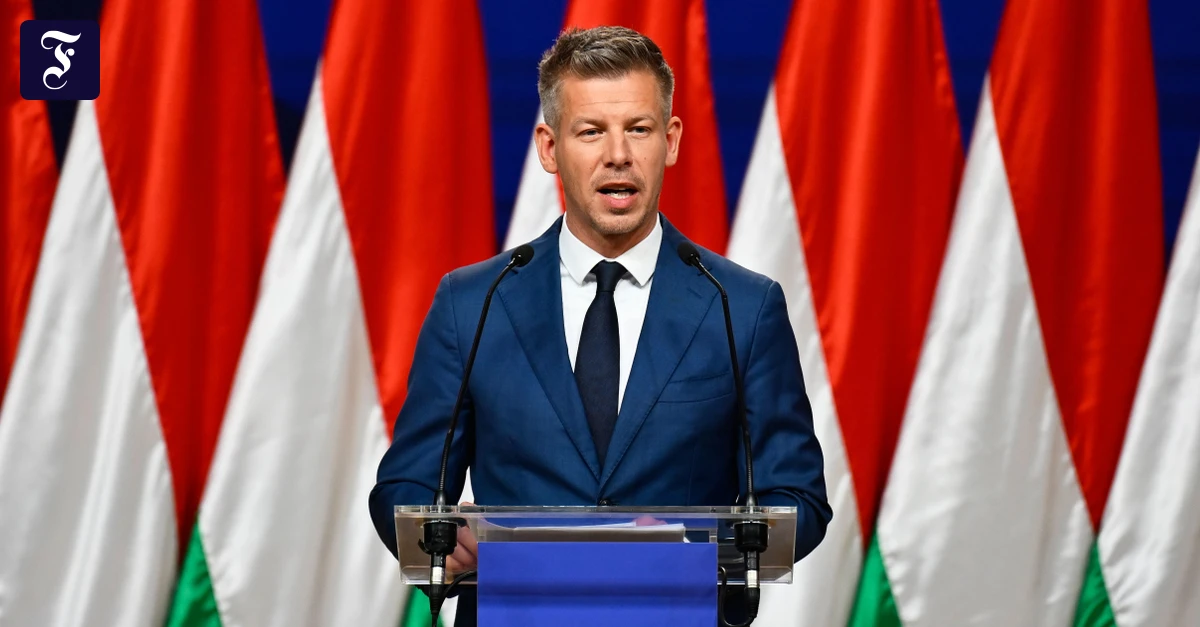
In a political earthquake that has sent shockwaves through Central Europe and Brussels, Hungary has entered a latest era. Following the historic elections held on Sunday, April 12, 2026, the long-standing reign of Viktor Orbán has come to an end, replaced by a decisive victory for challenger Péter Magyar and his Tisza party.
The scale of the shift is unprecedented in the post-communist era. After 16 years of dominance by the right-wing populist Fidesz party, the Hungarian electorate has delivered a mandate for systemic change. With the final results confirming a landslide, Hungary is now poised to pivot away from the isolationist policies of the previous administration and move toward becoming a more constructive partner within the European Union.
The victory is not merely a change in leadership but a structural overhaul of the Hungarian parliament. Péter Magyar’s Tisza party secured a commanding two-thirds majority, winning 138 of the 199 available seats. This overwhelming margin provides Magyar with the legal authority to dismantle the institutional frameworks built by Orbán and implement a comprehensive modernization of the state, a vision he has termed “Hungary 2.0.”
The Fall of the Orbán Era
Viktor Orbán, who had successfully navigated multiple election cycles through a combination of state-controlled media and institutional capture, conceded defeat on Sunday evening. Describing the result as a “painful” loss for his party, Orbán congratulated Magyar and stated that Fidesz would continue to serve the homeland from the opposition after over 98 percent of the votes were counted.
The collapse of Fidesz’s hegemony is stark. The party that once viewed the state and its institutions as extensions of its own power was reduced to just 55 seats. Meanwhile, the far-right “Our Homeland” party managed to secure only six seats in the new legislative body.
Observers in Budapest have compared the magnitude of this political shift to the democratic transition of 1990, when Hungary shed its single-party communist rule. For many, the election represents a reclamation of the state from a system where jobs, contracts, and appointments were often contingent on loyalty to the Fidesz inner circle.
Prime Minister Viktor Orbán has just called to congratulate us on our victory.— Magyar Péter (Ne féljetek) (@magyarpeterMP) 12. April 2026
A Grassroots Campaign and the ‘Tisza’ Surge
Péter Magyar’s ascent was not an overnight phenomenon but the result of a grueling, high-intensity campaign. While the previous administration relied on centralized messaging, Magyar spent months traversing the Hungarian provinces. Reports indicate that during his tour, he frequently visited up to six different villages or towns per day, building a direct connection with rural voters who had long been the bedrock of Orbán’s support to understand their grievances firsthand.
This strategy of physical presence and persistence paid off, allowing Magyar to penetrate regions where Fidesz’s influence had previously seemed impenetrable. Upon his victory, Magyar declared, “We have taken our state back,” signaling an immediate intent to purge the “Fidesz-filz” (cronyism) from government offices and public administration and restore the rule of law.
The Strategic Power of the Two-Thirds Majority
The most critical aspect of the election result is the specific number of seats won by Tisza. In the Hungarian system, a two-thirds majority is the “golden key” to power. This threshold allows a governing party to change the constitution without the need for opposition support.
Under Viktor Orbán, this same majority was used to reshape the legal and political landscape to favor the ruling party. One of the most significant hurdles for any incoming government was the budget committee, which was staffed with Fidesz loyalists capable of blocking spending and legislative proposals. By securing 138 seats—five more than the minimum required for a two-thirds majority—Magyar can now unilaterally dissolve these blocks and rewrite the constitutional rules that enabled the previous administration’s grip on power to ensure a functional democracy.
Magyar has pledged that his first priority will be the restoration of the separation of powers and a concerted fight against corruption. By removing the legal shields that protected the previous regime’s allies, the new government aims to modernize the state’s infrastructure and regain the trust of both the citizenry and international partners.
Restoring Relations with the European Union
For the European Union, the election of Péter Magyar is a welcome development. For years, Brussels has been locked in a contentious struggle with Hungary over the rule of law, judicial independence, and democratic backsliding, which led to the freezing of significant EU funds.
Magyar has positioned himself as a leader who will transform Hungary into a “constructive partner” within the EU. The expectation is that the new administration will move quickly to satisfy EU requirements regarding the independence of the judiciary and the transparency of public procurement. Such a pivot could unlock billions of euros in frozen recovery funds and reintegrate Hungary into the core of European decision-making ending years of diplomatic friction.
Key Election Outcomes at a Glance
| Party | Seats Won | Status |
|---|---|---|
| Tisza (Péter Magyar) | 138 | Two-Thirds Majority / Winner |
| Fidesz (Viktor Orbán) | 55 | Opposition |
| Our Homeland | 6 | Opposition |
| Total Seats | 199 | – |
What Happens Next?
As the celebrations in Budapest wind down, the daunting task of governance begins. Péter Magyar faces the challenge of dismantling a deeply entrenched system of patronage while maintaining the momentum of his electoral victory. The world will be watching closely to spot how quickly the new government can translate its parliamentary majority into tangible democratic reforms.

The immediate next step will be the formal appointment of the new government and the introduction of the first legislative packages aimed at anti-corruption and the restructuring of the budget committee. These early moves will serve as the primary indicator of whether “Hungary 2.0” can deliver on its promise of a democratic restart.
World Today Journal will continue to monitor the formation of the new Hungarian government. We invite our readers to share their thoughts on this historic shift in the comments section below.