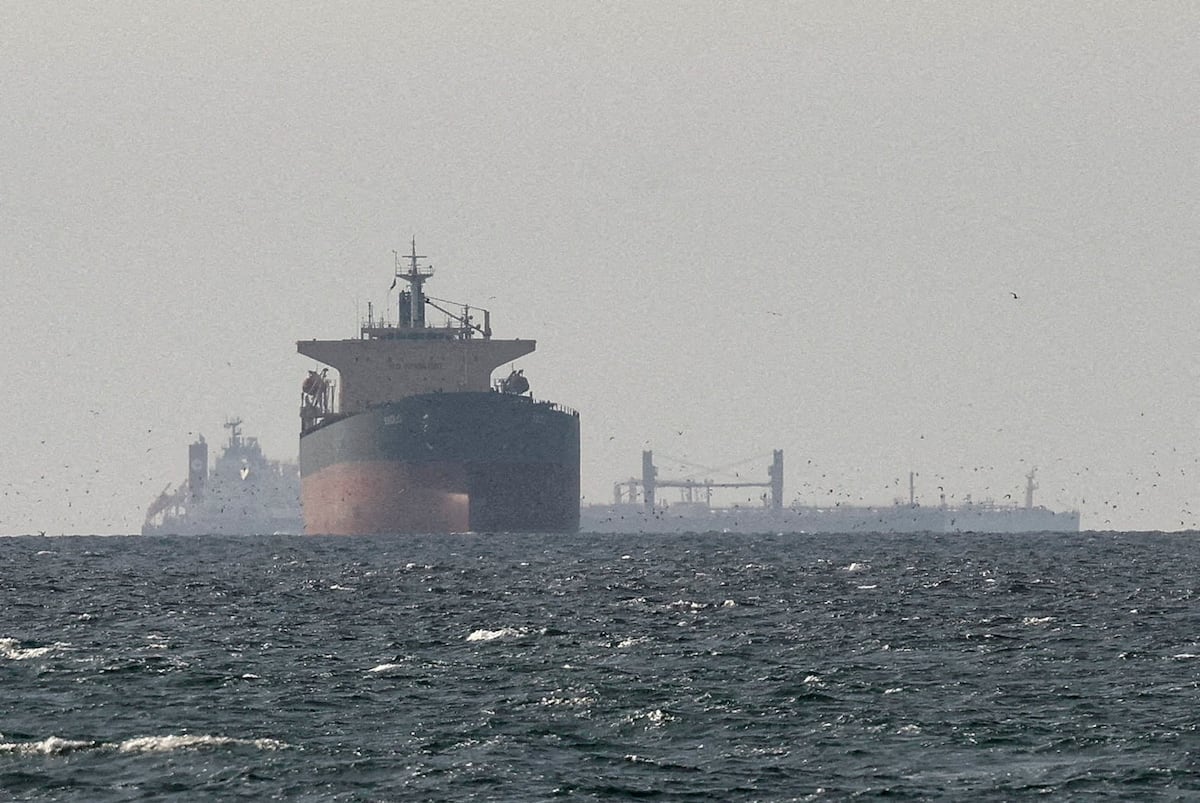
In the strategically vital Strait of Hormuz, a high-stakes game of maritime evasion is unfolding as vessels attempt to circumvent stringent maritime restrictions through deceptive tactics. Ships are increasingly turning off transponders, adopting false identities and employing sophisticated GPS spoofing techniques to navigate the narrow waterway despite coordinated efforts by Iran and the United States to control traffic flow. These maneuvers exploit ambiguities in how the blockades are defined, allowing non-Iranian commercial traffic to continue moving through the strait even as Iranian-linked vessels face heightened scrutiny.
The Strait of Hormuz remains one of the world’s most critical chokepoints for global energy supplies, with approximately 20% of worldwide oil exports and 80% of Iran’s crude shipments passing through its waters. Recent developments have turned this narrow passage into a focal point of geopolitical tension, where maritime restrictions are being tested not just by naval power but by technological subterfuge. Vessels seeking to avoid delays or inspections are now using methods that obscure their true origins, destinations, and movements, raising concerns about transparency and maritime security in a region already prone to volatility.
According to U.S. Central Command (CENTCOM), the American blockade targets all Iranian ports — both inside and outside the strait — but does not extend to the strait itself. This distinction has created a legal and operational gray zone that some ship operators are exploiting. While CENTCOM has stated that no vessel has violated the U.S. Port blockade since its implementation, independent monitoring continues to detect commercial activity within the strait, suggesting that non-Iranian ships are still transiting under the radar of detection systems.
One of the most prevalent tactics involves the deliberate disabling of Automatic Identification System (AIS) transponders, which are normally used to track vessel movements in real time. By going “dark,” ships can avoid immediate detection by satellite and coastal monitoring systems. In other cases, vessels are falsifying their identification data — a practice known as spoofing — to appear as if they are registered under different flags or heading to alternative destinations. These techniques allow operators to blend in with legitimate traffic or avoid triggering automated alerts tied to sanctioned entities or high-risk routes.
Maritime security analysts note that such practices are not new but have intensified in response to the layered restrictions now in place. The so-called “double blockade” — combining Iranian limitations on certain transits with U.S. Sanctions targeting port access — has created a complex environment where compliance is demanding to verify and enforcement remains inconsistent. Although Iran has not declared a full closure of the strait, it has imposed conditions on vessels linked to countries it views as adversarial, further complicating passage for certain commercial operators.
The employ of deceptive navigation tactics carries significant risks. Beyond the potential for miscalculation or accidental confrontation in crowded waters, obscured vessel movements undermine international efforts to ensure transparency in global shipping. Regulatory bodies and maritime insurers have warned that obscured tracking increases liability, complicates incident response, and may violate international maritime safety conventions that require vessels to broadcast their position under normal circumstances.
Despite these concerns, some shipping companies continue to employ these methods, citing commercial necessity amid volatile geopolitical conditions. For operators dependent on timely transit through the strait, the cost of delays or inspections can be substantial, creating incentives to operate in the shadows of official monitoring systems. However, this approach also increases exposure to reputational damage, legal liability, and the risk of being mistaken for a threat in an environment where naval forces are on high alert.
As of mid-April 2026, satellite imagery and maritime tracking data show persistent, though fluctuating, levels of traffic through the Strait of Hormuz. While exact figures remain difficult to verify due to the very nature of obscured movements, shipping analysts confirm that a significant portion of non-Iranian crude and refined product shipments continue to make the passage, often using indirect routing or altered schedules to reduce visibility.
Efforts to improve transparency are ongoing, with international maritime organizations advocating for stronger verification protocols and real-time data sharing among flag states, port authorities, and naval forces. However, until there is a clear, universally accepted framework for distinguishing between legitimate evasion of commercial delays and illicit circumvention of sanctions, the cat-and-mouse dynamic is likely to persist.
The situation underscores the growing intersection of geopolitics, technology, and maritime law in modern shipping. As navigation systems become more advanced, so too do the methods used to manipulate or evade them — posing ongoing challenges for regulators, insurers, and security agencies tasked with maintaining safety and compliance in one of the world’s most sensitive waterways.
For ongoing developments, readers are encouraged to consult official updates from U.S. Central Command, the International Maritime Organization, and regional maritime security centers that monitor activity in the Gulf of Oman and surrounding waters.
Share your thoughts on how maritime security should adapt to evolving evasion tactics in the comments below, and help spread awareness by sharing this article with others interested in global trade and security dynamics.