Sweden’s expert group on new therapies, NT-rådet, has advised against the use of Leqembi (lekanemab) for Alzheimer’s disease treatment, citing insufficient cost-effectiveness despite evidence of biological activity. The recommendation, issued on Friday, April 17, 2026, follows a formal evaluation by the Dental and Pharmaceutical Benefits Agency (TLV), which found high uncertainty in the health economic data and estimated costs per quality-adjusted life year gained ranging from approximately 3.7 to 4.3 million Swedish kronor.
NT-rådet, representing Sweden’s regions, stated that while statistically significant effects compared to placebo have been observed in clinical trials, the magnitude of clinical benefit remains uncertain. The group emphasized that the drug’s mechanism—targeting amyloid-beta plaques in the brain—has been confirmed, but translation into meaningful patient outcomes has not been sufficiently demonstrated to justify the financial burden on regional healthcare budgets.
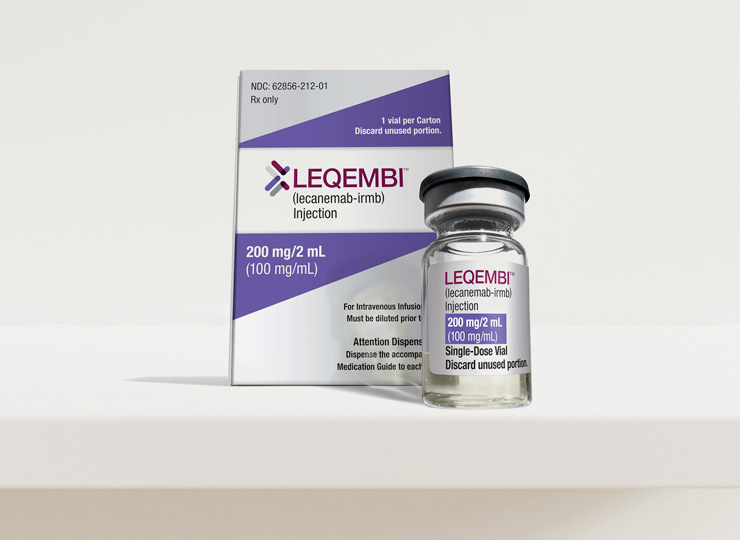
The drug, developed by Eisai in collaboration with BioArctic, carries an estimated annual treatment cost of around 380,000 kronor per patient weighing 70–100 kg at list price. NT-rådet noted that negotiations with Eisai to secure a sufficient price reduction did not yield adequate results, reinforcing the conclusion that current pricing undermines the drug’s value proposition within Sweden’s healthcare system.
Although Leqembi has received regulatory approval in other jurisdictions, including the United States and Japan, Swedish authorities maintain a cautious stance. TLV’s earlier assessment highlighted substantial uncertainty in long-term outcomes and real-world effectiveness, particularly regarding whether slowing cognitive decline translates into preserved functional independence or delayed institutionalization for patients.
Looking ahead, NT-rådet indicated openness to revisiting its position should Eisai secure approval for alternative dosing regimens, such as less frequent maintenance doses or subcutaneous administration, which could lower administration costs. The group said it remains prepared to engage in renewed dialogue with the manufacturer if such developments occur.
Alzheimer’s disease affects an estimated 100,000 people in Sweden, making it the most common form of dementia in the country. The condition is associated with abnormal accumulation of amyloid-beta and phosphorylated tau proteins in the brain, leading to neuronal damage and progressive cognitive decline.
Cost-Effectiveness Analysis Drives NT-rådet’s Recommendation
The core of NT-rådet’s decision rests on a health economic evaluation conducted by TLV, which modeled the long-term value of Leqembi against Sweden’s willingness-to-pay threshold for high-burden diseases. According to TLV’s analysis, even under optimistic scenarios involving significant price discounts, the incremental cost per quality-adjusted life year (QALY) gained exceeded acceptable levels due to high drug acquisition costs and burdensome intravenous infusion schedules requiring biweekly visits to healthcare facilities.
NT-rådet echoed concerns about the durability of treatment effects, noting that while lekanemab reduces amyloid plaques as measured by biomarkers, the correlation between this biological change and meaningful slowing of functional decline remains inadequately established in published trial data. The group referenced the inherent uncertainty in extrapolating surrogate endpoints to clinical outcomes over extended periods.
In its statement, NT-rådet clarified that the recommendation does not deny the drug’s biological activity but reflects a judgment that resources could be allocated more effectively elsewhere in dementia care, including support services, non-pharmacological interventions, and investment in diagnostic infrastructure.
Regional Implementation and Equity Considerations
By advising against routine use, NT-rådet aims to prevent unequal access across Sweden’s 21 regions, where differing financial capacities could lead to a postcode lottery in access to expensive therapies. The group emphasized that its guidance is intended to promote equitable stewardship of public healthcare funds while maintaining flexibility for individual clinical judgment in exceptional circumstances.
The recommendation applies specifically to Leqembi under its current approved labeling and dosing regimen. NT-rådet said it would monitor developments closely, including any future submissions for expanded indications or reformulated versions of the drug that might alter the cost-benefit calculation.
For patients and caregivers seeking information, NT-rådet advised consulting treating physicians about available options within the national dementia care framework, which includes cognitive stimulation therapy, caregiver support programs, and management of comorbid conditions known to influence disease progression.
Broader Context in Alzheimer’s Therapeutics
Leqembi belongs to a new class of disease-modifying Alzheimer’s therapies designed to alter the underlying pathology rather than merely treat symptoms. Its approval in several countries marked a significant milestone after decades of failed clinical trials targeting amyloid pathways. However, debates continue globally over the clinical significance of observed effects, safety profiles—including risks of amyloid-related imaging abnormalities (ARIA)—and long-term value.
In Europe, the European Medicines Agency (EMA) has maintained a cautious approach to similar agents, requiring robust evidence of clinical benefit before granting marketing authorization. NT-rådet’s stance aligns with a broader trend among health technology assessment bodies in Scandinavia and elsewhere to prioritize demonstrable improvements in patient-centered outcomes over biomarker changes alone.
As research continues into combination therapies, tau-targeting agents, and preventive strategies in at-risk populations, NT-rådet affirmed its commitment to evaluating new treatments through transparent, evidence-based processes that balance innovation with fiscal responsibility.
The next formal review of Leqembi by NT-rådet or TLV has not been publicly scheduled. Stakeholders are advised to monitor official communications from the Dental and Pharmaceutical Benefits Agency and Sveriges Kommuner och Regionet (SKR) for updates on dementia drug evaluations.
We encourage readers to share insights and experiences related to Alzheimer’s care and treatment access in the comments below. Your perspectives help deepen public understanding of complex health policy decisions.
Worth a look