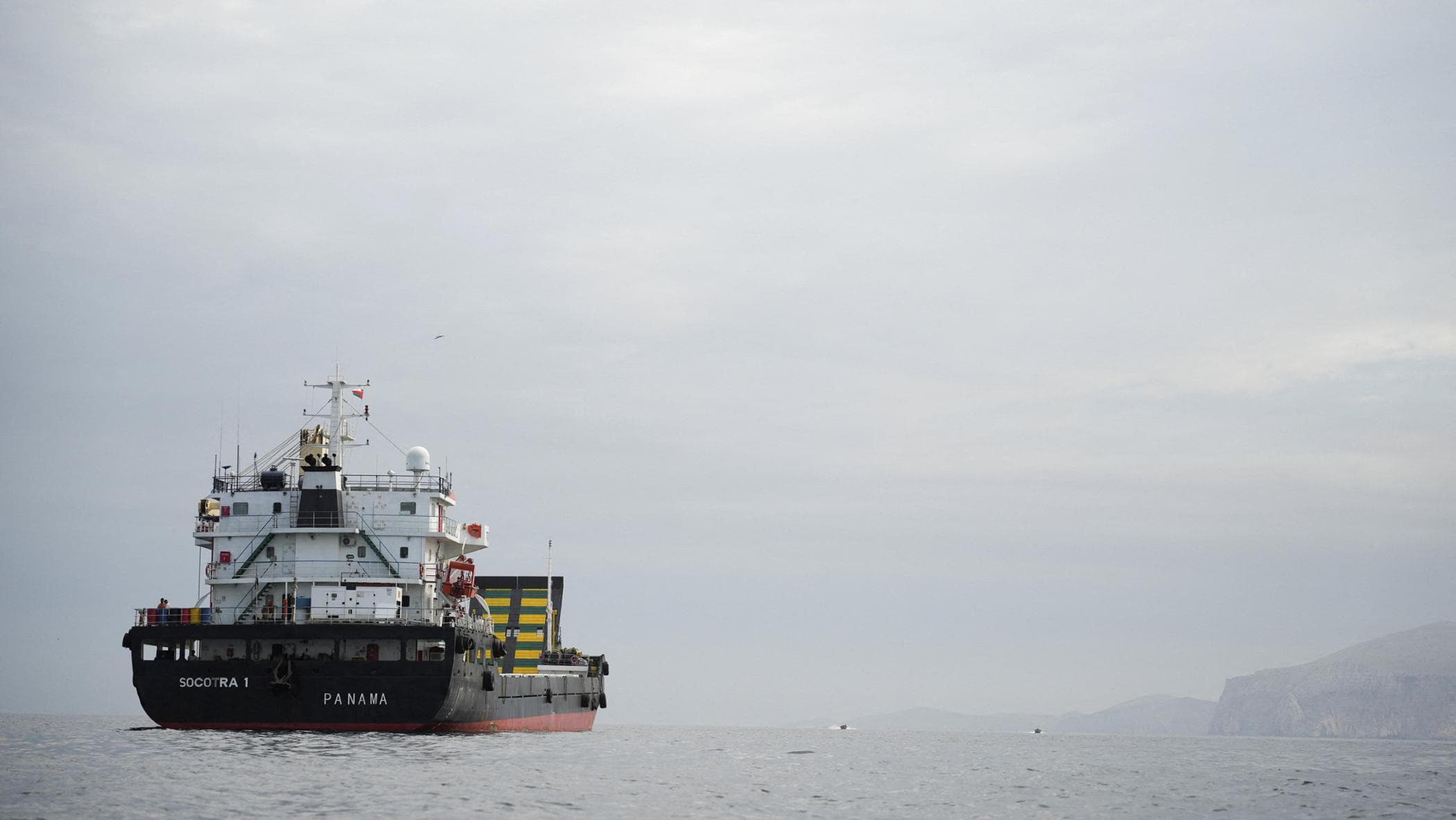
On Friday, April 17, 2026, the Strait of Hormuz remains a focal point of international tension as conflicting reports emerge about its accessibility amid ongoing U.S.-Iran hostilities. Iran declared the vital waterway “completely open” following recent diplomatic developments, while the United States maintains its naval blockade, asserting that Iran has not fulfilled conditions for genuine reopening. The situation underscores the fragility of ceasefire efforts and the high stakes involved in global energy security.
According to verified updates from CNN and The New York Times, Iran’s announcement came after indirect talks with Lebanese officials, though no direct U.S.-Iran engagement has occurred. President Donald Trump dismissed Iran’s claim, stating the U.S. Blockade would continue until Iran dismantles its major nuclear enrichment facilities and allows unhindered passage for all vessels. The U.S. Position reflects a broader demand for verifiable compliance, not just declarative statements from Tehran.
The Strait of Hormuz, through which approximately 20% of the world’s oil supply passes, has seen drastically reduced traffic since the conflict escalated. Satellite imagery analyzed by CNN revealed burnt remains of U.S. Aircraft at a remote airstrip in Esfahan province, Iran, linked to a failed rescue mission earlier in April. Despite Iran’s assertion of openness, shipping data indicates minimal vessel movement, with only a handful of ships transiting the strait in recent days.
United Nations Secretary-General António Guterres welcomed any movement toward de-escalation, calling the reported reopening “a step in the right direction” but urging concrete, sustained action to ensure safety and freedom of navigation. His remarks, reported by ANSA, emphasized that symbolic gestures must be followed by measurable improvements on the ground to restore confidence among shipping companies, and insurers.
Meanwhile, Italian media outlet Corriere della Sera reported that while Iran claimed 20 vessels had passed through the strait since morning, independent verification showed no significant increase in commercial traffic. Analysts note that insurance premiums for vessels transiting the region remain prohibitively high, deterring most shipping companies from resuming normal operations without explicit security guarantees.
The U.S. Naval blockade, described in detail by Il Post, involves coordinated patrols by allied forces aimed at intercepting vessels suspected of carrying illicit goods or violating sanctions. Officials say the operation will persist until Iran agrees to intrusive inspections of its nuclear sites—a condition Tehran has consistently rejected as a violation of sovereignty.
Diplomatic channels remain active but strained. Vice President JD Vance is expected to lead a potential second round of negotiations with Iranian officials in Pakistan, should talks resume before the current ceasefire framework expires next week. However, deep mistrust persists, particularly over the sequencing of concessions: Iran demands lifting of sanctions first, while the U.S. Requires proof of nuclear dismantlement before any relief.
In southern Lebanon, indirect talks between Israel and Lebanon concluded without a ceasefire agreement, though both sides agreed to pursue further negotiations at a mutually acceptable time and venue. The U.S. State Department confirmed the outcome, noting that Israel declined to commit to halting hostilities in the contested border zone, complicating broader regional stabilization efforts.
As of this date, no formal agreement has been reached to reopen the Strait of Hormuz under internationally monitored conditions. The next key development to watch is whether the U.S.-Iran indirect dialogue in Pakistan yields any concrete progress on nuclear transparency or maritime access—both critical to preventing further escalation in one of the world’s most strategically sensitive waterways.
Stay informed with World Today Journal for continuing coverage of this evolving crisis. Share your thoughts in the comments below and support spread awareness by sharing this article with your network.
Worth a look