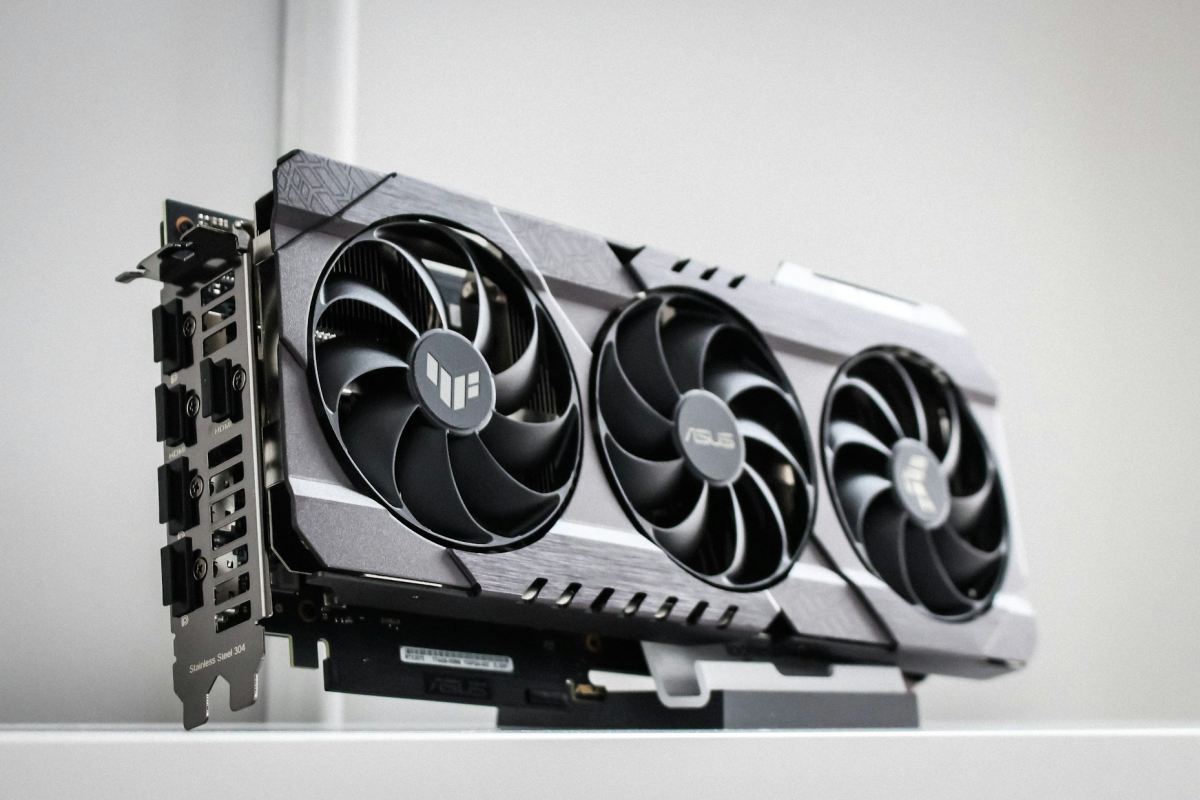
NVIDIA has released the software development kit for its DLSS 4.5 technology, enabling game developers to integrate advanced neural rendering features including Ray Reconstruction and Dynamic Multi Frame Generation into their titles. The move aims to broaden access to AI-powered image quality and performance enhancements across a wider range of PC games.
The DLSS 4.5 SDK provides developers with tools to implement Multi Frame Generation, which uses AI to generate additional frames between traditionally rendered ones, potentially boosting frame rates significantly. This technology relies on the fifth-generation Tensor Cores found in NVIDIA’s GeForce RTX 50 Series and RTX PRO Blackwell Generation GPUs.
According to NVIDIA’s official developer resources, DLSS 4.5 introduces a second-generation transformer AI model that improves stability, anti-aliasing and visual clarity compared to previous versions. The technology also includes Dynamic Multi Frame Generation, which automatically adjusts the number of generated frames based on scene complexity to maintain smooth gameplay.
Ray Reconstruction, a component of DLSS that enhances image quality in ray-traced scenes by replacing traditional denoisers with AI-generated pixels, is also part of the SDK. This feature aims to reduce visual artifacts like noise and blur in reflections and shadows while preserving detail.
Recent analysis by Digital Foundry, as reported by Tom’s Hardware, found that DLSS 4.5 can reconstruct ray-tracted reflections with high fidelity in certain games when in-game denoisers are disabled. In tests with titles like Crysis 3 and Silent Hill 2, the technology demonstrated improved clarity in reflective surfaces compared to using traditional denoising methods.
The SDK release supports integration with major game engines, including Unreal Engine through NVIDIA’s official DLSS plugin. This allows developers to access the full suite of DLSS technologies such as Super Resolution, DLAA, and NVIDIA Reflex low-latency mode alongside the newer frame generation and ray tracing enhancements.
By making the DLSS 4.5 SDK available, NVIDIA seeks to encourage wider adoption of its AI rendering technologies across the gaming industry. The company positions these tools as ways to deliver higher visual fidelity and performance without requiring proportional increases in hardware demands.
Developers interested in implementing DLSS 4.5 can access the SDK through NVIDIA’s developer portal, where documentation and integration guides are provided. The technology remains exclusive to NVIDIA’s RTX GPUs with sufficient Tensor Core performance to support the real-time AI processing required.
As ray tracing and AI-driven rendering become more prevalent in game development, tools like DLSS 4.5 aim to balance graphical fidelity with playable frame rates. The ongoing evolution of these technologies reflects broader industry trends toward using machine learning to enhance traditional rendering pipelines.
For ongoing updates on DLSS technology and developer resources, NVIDIA maintains official channels through its developer website and regular software updates. The company continues to refine its neural rendering models based on feedback from both developers and end-users.
Those wishing to stay informed about future developments in game rendering technology can follow NVIDIA’s official announcements and developer communications. The integration of AI into graphics pipelines remains an active area of advancement in real-time rendering.
Keep reading
- Anthropic Reveals Claude Models Accessed Internet and Cyberattacked Three Organizations in Evaluation Blunder
- Czech Government Proposes New Energy Fee: Will Households Pay More and Is Babiš to Blame?
- Ariana Grande Releases Vibrant Fourth Album Sweetener Focused on Vulnerability (archyworldys.com)
- Microsoft Releases Azure Linux 4.0 as General-Purpose Server OS (time.news)