New research has revealed that Neanderthal toddlers grew at a significantly faster rate than modern human children, likely as an evolutionary adaptation to survive in harsh Ice Age environments. This finding comes from a detailed analysis of the fossil remains of a young Neanderthal known as Amud 7, discovered in northern Israel and dating back between 51,000 and 56,000 years ago. The study, published in the journal Current Biology on April 15, 2024, used advanced 3D imaging techniques to reconstruct the child’s skeleton and assess growth patterns.
The Amud 7 specimen, though only a toddler at the time of death, displayed skeletal features consistent with advanced physical development compared to Homo sapiens children of the same age. Researchers concluded that Neanderthal infants may have reached the size and robustness of a one-year-old modern human by just six months of age. This accelerated growth would have allowed young Neanderthals to develop greater body mass more quickly, which helps retain heat—a critical advantage in cold, resource-scarce climates.
According to the study’s lead researchers, this difference in developmental timing reflects divergent evolutionary paths taken by Neanderthals and modern humans after their lineages split from a common ancestor approximately 600,000 years ago. While modern humans evolved in warmer African environments favoring slower, more energy-efficient growth, Neanderthals adapted to Europe and western Asia’s freezing conditions through rapid early development.
The burial context of the Amud 7 remains likewise offers insight into Neanderthal behavior. The child’s bones were found in a niche within Amud Cave, placed there with a red deer jaw positioned on top—possibly as part of a ritual or symbolic gesture. This careful treatment suggests that even young members of Neanderthal groups were afforded social recognition, challenging outdated views of them as purely brutish or cognitively inferior.
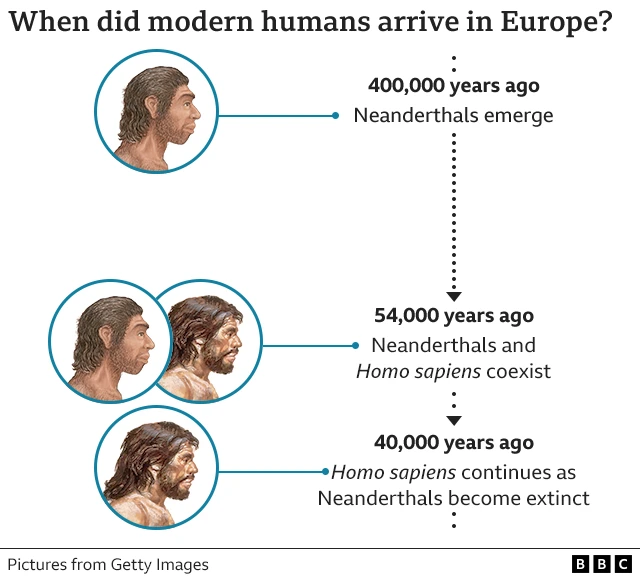
These findings contribute to a growing body of evidence that Neanderthals were highly adapted to their environments, with complex social behaviors and physiological traits finely tuned to survival. Far from being evolutionary dead ends, they represent a sophisticated human lineage that thrived for hundreds of thousands of years before disappearing around 40,000 years ago—likely due to a combination of climatic shifts and competition with incoming Homo sapiens populations.
As scientists continue to uncover more details about Neanderthal life through fossil analysis and genetic research, our understanding of what it means to be human keeps evolving. The story of Amud 7 reminds us that adaptability, not just intelligence or tool apply, played a central role in the success of our ancient relatives—and may offer lessons about resilience in the face of extreme climate challenges today.
Worth a look