
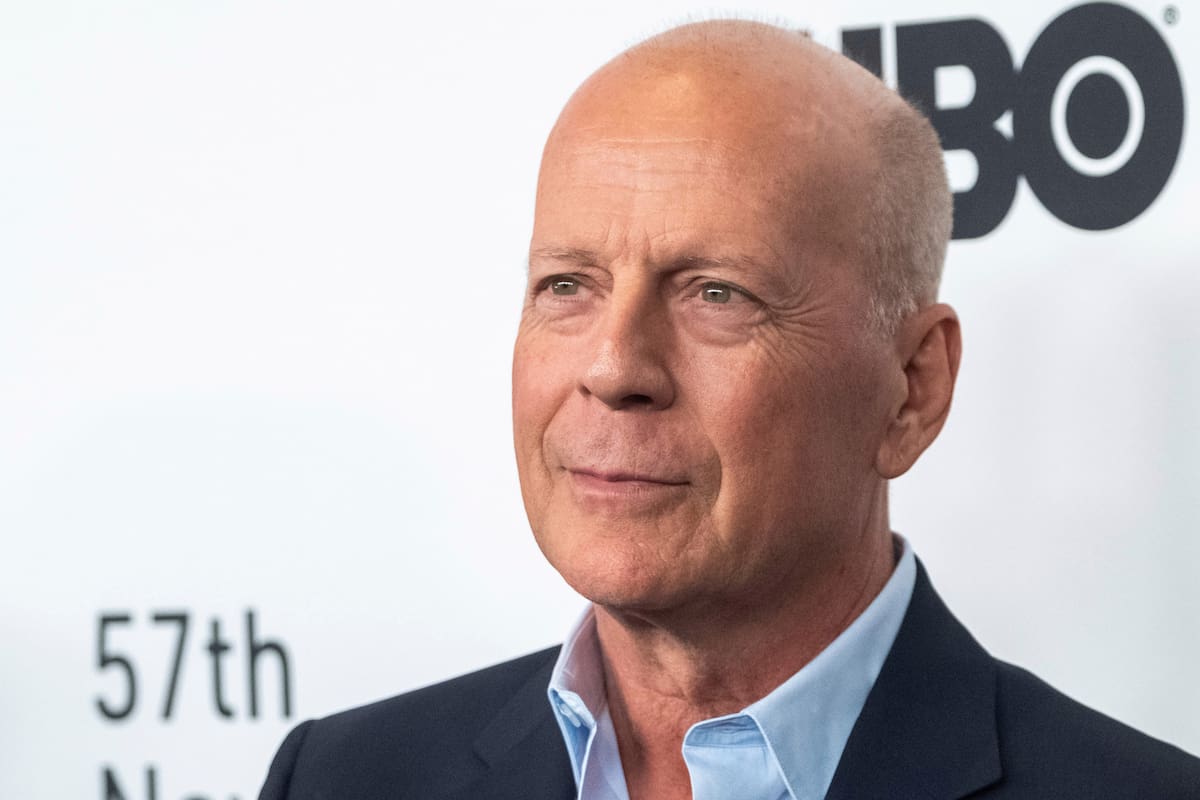
In a striking real estate transaction that underscores the volatile nature of luxury property markets, a Beverly Hills mansion once owned by Hollywood action star Bruce Willis has resurfaced in headlines after being sold for more than double its purchase price over a decade ago. The estate, located in the prestigious Benedict Canyon area within the 90210 ZIP code, changed hands in an off-market deal that has drawn attention not only for its financial scale but also for the nationality of the buyers involved.
According to verified property records and multiple reputable real estate outlets, the Mediterranean-style mansion was originally acquired by Willis in 2004 for approximately $9 million, just four years after his divorce from Demi Moore. At the time, the property spanned roughly one acre and featured a classic 1928 design with seven bedrooms and ten bathrooms. Over the years, Willis and his then-wife Emma Heming — whom he married in 2009 — undertook significant renovations, expanding the home to include eleven bedrooms and upgrading key areas such as the kitchen and living spaces to suit their family life with their two daughters and Willis’s three children from his previous marriage.
The property was first listed publicly in 2013 for $22 million, a move Willis reportedly made after stating he no longer needed the expansive 10,300-square-foot residence. It remained on the market for over a year before being sold in 2014 to Carlos Alberini, the then-CEO of the fashion brand Guess and his wife Andrea for $16.5 million. The Alberinis subsequently embarked on a comprehensive renovation, reconfiguring the layout to reduce the bedroom count to seven while modernizing both interior and exterior elements, including the installation of a resort-style pool, tennis court, and courtyard fountain.
In a transaction finalized in early 2024, the Alberinis sold the mansion for $41.25 million in an off-market deal, according to reports from real estate news platforms and property transaction databases. This figure represents more than double their original investment and over four times the amount Willis paid two decades earlier. The sale stands as one of the highest residential transactions in Los Angeles County for the year, reflecting sustained demand for high-end estates in exclusive enclaves like Benedict Canyon, despite broader fluctuations in the national housing market.
The identity of the final buyer has not been disclosed in public records, though representatives from the Compass-affiliated Gambino Group, specifically agents Carl Gambino and John Bercsi, facilitated the transaction and declined to comment further when approached by media outlets. The lack of public disclosure is consistent with the off-market nature of the deal, which is common among high-net-worth individuals seeking privacy in luxury real estate transactions.
This sequence of ownership — from a Hollywood icon to a fashion industry executive and finally to an undisclosed party — illustrates how celebrity-owned properties often transition through various hands, each leaving a distinct mark through renovations and stewardship before re-entering the market. The mansion’s evolution also highlights the significant value appreciation possible in prime Los Angeles real estate over extended holding periods, particularly when coupled with strategic improvements and favorable market timing.
While the Alberinis’ decision to sell after roughly a decade of ownership yielded substantial returns, the transaction also invites broader discussion about the lifecycle of celebrity real estate, where emotional attachment, lifestyle changes, and financial strategy often intersect. For Willis, the sale of the property in 2014 preceded years of personal challenges, including his public diagnosis of frontotemporal dementia, which has affected his health and led to changes in his living arrangements.
As of now, there are no public indications of further development plans for the estate, nor have any zoning or permitting applications been filed that would signal imminent construction or renovation. The property remains one of the most notable examples of how celebrity real estate can serve as both a personal residence and a long-term investment asset, subject to the same market forces that govern high-end transactions worldwide.
For readers interested in tracking similar luxury property transactions or understanding trends in celebrity-owned real estate, reputable sources such as property record databases, major real estate news outlets, and official county assessor offices provide the most reliable and up-to-date information. These platforms offer insights into sale prices, ownership timelines, and renovation permits that help contextualize major deals like this one.
What are your thoughts on how celebrity-owned properties influence local real estate markets? Have you followed other high-profile home sales that revealed surprising shifts in value or ownership? Share your perspective in the comments below, and consider sharing this article with others interested in the intersection of fame, finance, and real estate.