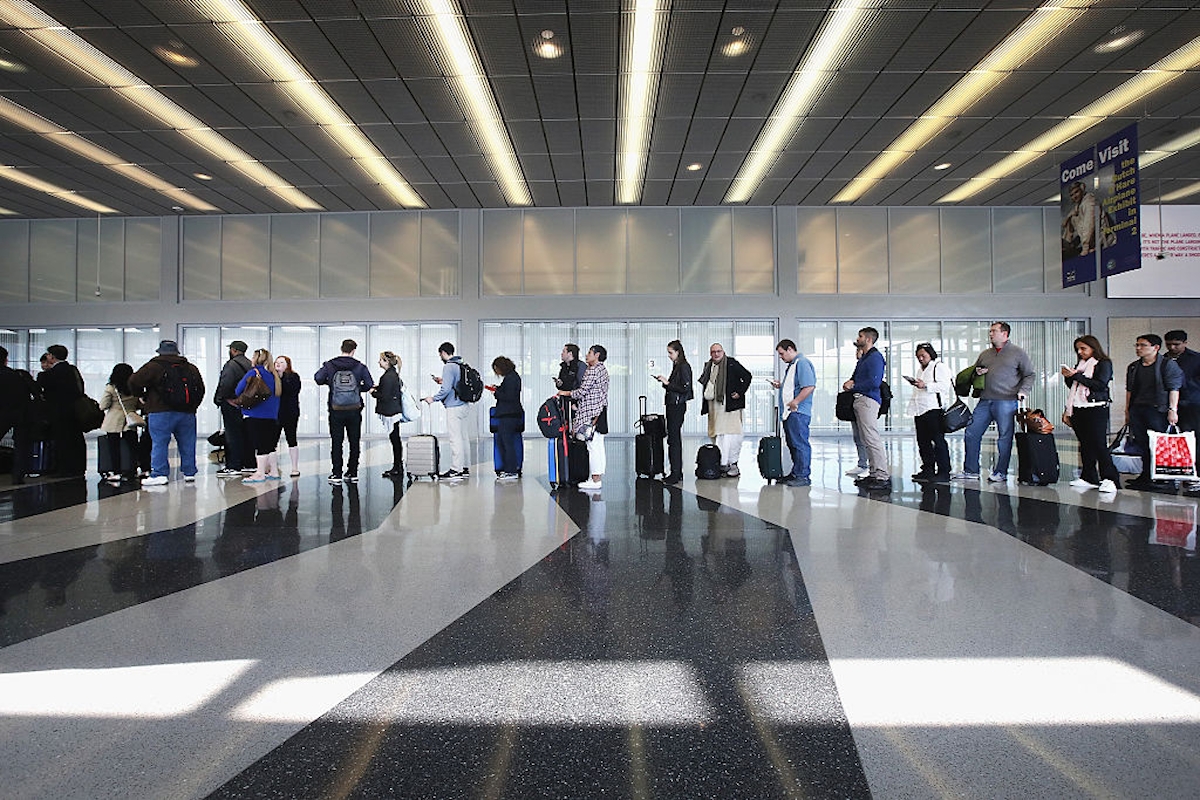
Europe’s largest airline is set to eliminate free carry-on baggage on short- and medium-haul flights, marking a significant shift in its service model. Lufthansa, headquartered in Frankfurt, will introduce the change starting May 19, 2026, affecting passengers on numerous European routes. The move comes as part of a broader strategy to adapt to evolving travel habits and streamline operations, with the airline also considering the cancellation of up to 20,000 flights in the near future.
Beginning April 28, 2026, travelers will be able to book tickets under Lufthansa’s new Economy Basic fare, which permits only one small personal item free of charge. This item must fit under the seat in front and measure no more than 40×30×15 centimeters—approximately the size of a laptop bag or small backpack. Any additional carry-on luggage will need to be purchased separately, starting at 15 euros per bag.
The airline states that the decision reflects changing passenger behavior, particularly the growing preference for lighter, more flexible travel. Under the new policy, the traditional free carry-on allowance—previously permitting a bag up to 55×40×23 centimeters and 8 kilograms in Economy class—will no longer apply to basic fare holders. Business class passengers will continue to receive two free carry-on bags under the existing weight and size limits.
Lufthansa’s shift aligns with broader trends among European carriers, many of whom have already unbundled baggage from base ticket prices. Airlines such as Ryanair and Wizz Air have long charged for carry-on access, while others like easyJet and Air France/KLM maintain more generous allowances but still impose restrictions on size and weight. The International Air Transport Association notes that ancillary revenue, including baggage fees, now represents a growing share of airline income globally.
The change will initially apply to select routes before expanding to additional European destinations over time. Passengers seeking to bring larger cabin bags will need to either pay the extra fee or consider upgrading to a higher fare tier that includes baggage allowance. Lufthansa advises travelers to review fare details carefully during booking to avoid unexpected charges at the airport.
As the airline implements this policy, it joins a growing number of carriers redefining what constitutes included service in the post-pandemic travel landscape. Industry analysts suggest that such moves help airlines maintain competitive base fares while generating revenue from optional services—a model increasingly common across the aviation sector.
For the most current information on baggage policies, fare types, and route-specific updates, passengers are encouraged to consult Lufthansa’s official website or contact customer service directly before travel.
Travelers are invited to share their experiences and thoughts on the evolving baggage policies in the comments below. If you found this article informative, consider sharing it with others planning European trips in the coming months.
Related reading