
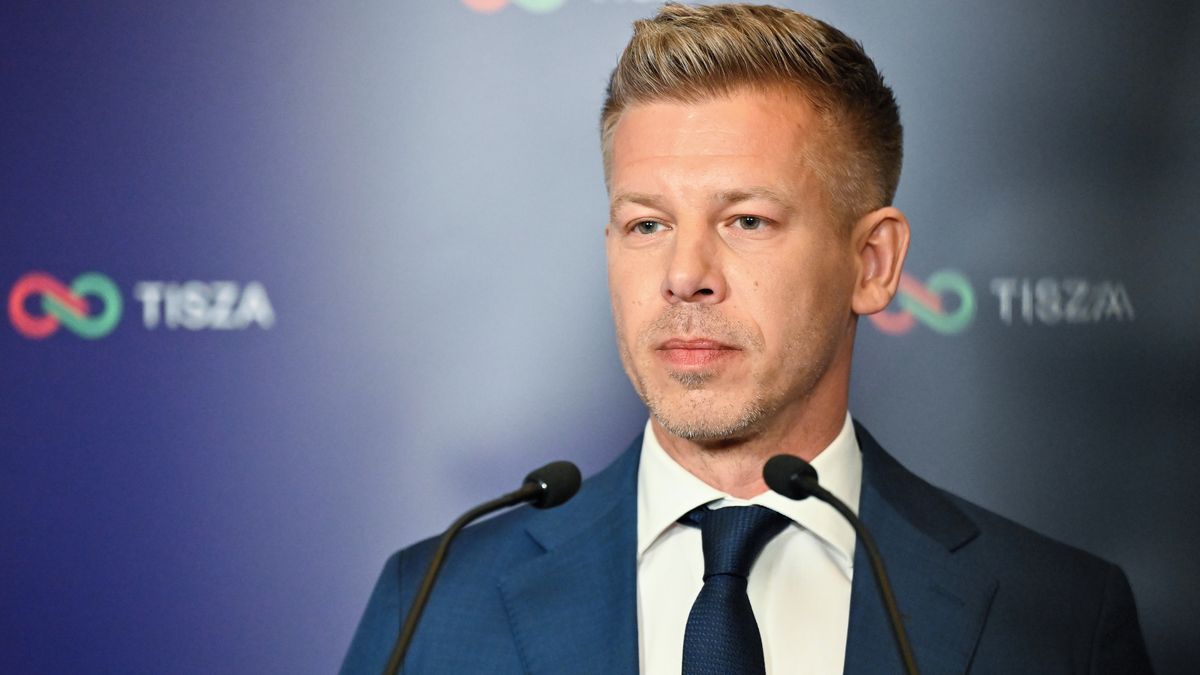
Hungarian political scientist Gábor Török has described the newly forming government led by Péter Magyar as “Fidesz light,” suggesting continuity with the previous administration despite the change in leadership. This characterization emerged following the April 2026 parliamentary elections, in which Magyar’s Tisza party secured victory over the long-ruling Fidesz coalition. The remark highlights ongoing debate about the extent of policy shifts under the novel government, particularly in foreign affairs and economic direction.
Central to this discussion is the appointment of Anita Orbánová as Hungary’s incoming foreign minister. Orbánová, a Czech-based executive with ties to the chemical conglomerate Draslovka, has been named to lead Hungary’s diplomacy under Magyar’s cabinet. Her background includes service as an ambassador-at-large for the Viktor Orbán government between 2010 and 2015, a fact acknowledged by both supporters and critics. Fidesz officials have reacted critically to her move to Tisza, with Foreign Minister Péter Szijjártó labeling her a lobbyist for Western energy interests, while Magyar’s team emphasizes her experience in NATO-related nominations and international security forums.
Orbánová’s resignation from Draslovka’s board was confirmed by company representatives, who stated she would step down if continuing political activities in Hungary after the elections. She holds academic degrees from Tufts University and the Fletcher School of Law and Diplomacy, and earned a doctorate in international relations from the Fletcher School in 2007. Her professional trajectory includes roles in finance at Magyar Telekom, diplomatic postings, and advocacy work on energy security and NATO engagement.
The incoming Tisza government has pledged a pro-Western foreign policy orientation, with Orbánová advocating for closer alignment with Brussels and Kyiv. During campaign events, she addressed Hungarian diaspora communities in Liverpool and London, urging support for the April 12 election and promising continued engagement afterward. Magyar has issued an ultimatum calling for the resignation of the Hungarian president and senior judges, framing it as a condition for governmental stability.
Other ministerial appointments reflect a trend of technocratic and corporate backgrounds. Finance minister-designate András Kármán previously held senior positions at Erste Group, while economy and energy minister-designast István Kapitány spent 37 years at Shell in various managerial roles. The government plans to expand to 16 ministries, the highest number in modern Hungarian history.
Observers note that while the Tisza party presents itself as a reformist alternative, the prominence of figures with established ties to international corporations and prior government service raises questions about the novelty of its approach. The term “Fidesz light” captures this perception of substantive change tempered by institutional continuity. As the new cabinet prepares to take office, attention will focus on whether policy shifts in areas such as energy procurement, EU relations, and judicial reform match the rhetoric of the campaign.
The next key development will be the formal swearing-in of the new government, expected in the coming weeks following final coalition agreements and parliamentary confirmation. No exact date has been officially announced as of this writing.
Readers are encouraged to follow official Hungarian government channels for updates on cabinet appointments and policy declarations. Share your thoughts on the implications of this political transition for Central Europe in the comments below.