Can Your Smartwatch Measure Stress? How Wearable Tech Could Soon Assist Your Doctor
Berlin, Germany — For millions of people worldwide, smartwatches and fitness trackers have become as routine as morning coffee. These sleek devices, worn on the wrist like a second skin, promise more than just step counts and sleep scores—they claim to measure something far more elusive: stress. But can a sensor no bigger than a fingernail truly capture the complex emotional and physiological state of stress? And if so, could this data one day help your doctor make better decisions about your health?
As a physician and health journalist, I’ve spent years tracking the evolution of wearable technology in medicine. The idea that a consumer device could provide clinically useful insights into stress is both exciting and fraught with challenges. Stress, after all, is not a single measurable parameter like heart rate or blood pressure. It’s a multifaceted response involving the nervous system, hormones, and even behavioral patterns. Yet, as research advances and algorithms grow more sophisticated, the line between consumer gadget and medical tool is beginning to blur.
In this article, we’ll explore how smartwatches measure stress, what the science says about their accuracy, and whether these devices could soon become a legitimate part of your healthcare toolkit. We’ll also examine the limitations and ethical questions surrounding the apply of such personal data in clinical settings.
How Smartwatches Measure Stress: The Science Behind the Sensors
Most smartwatches and fitness trackers that claim to measure stress rely on a combination of sensors and algorithms to estimate your body’s physiological response to stressors. The most common method involves tracking heart rate variability (HRV), a measure of the time variation between consecutive heartbeats. HRV is regulated by the autonomic nervous system, which controls involuntary bodily functions like heart rate, digestion, and respiratory rate. When you’re stressed, your sympathetic nervous system (often called the “fight or flight” system) becomes more active, leading to a decrease in HRV.
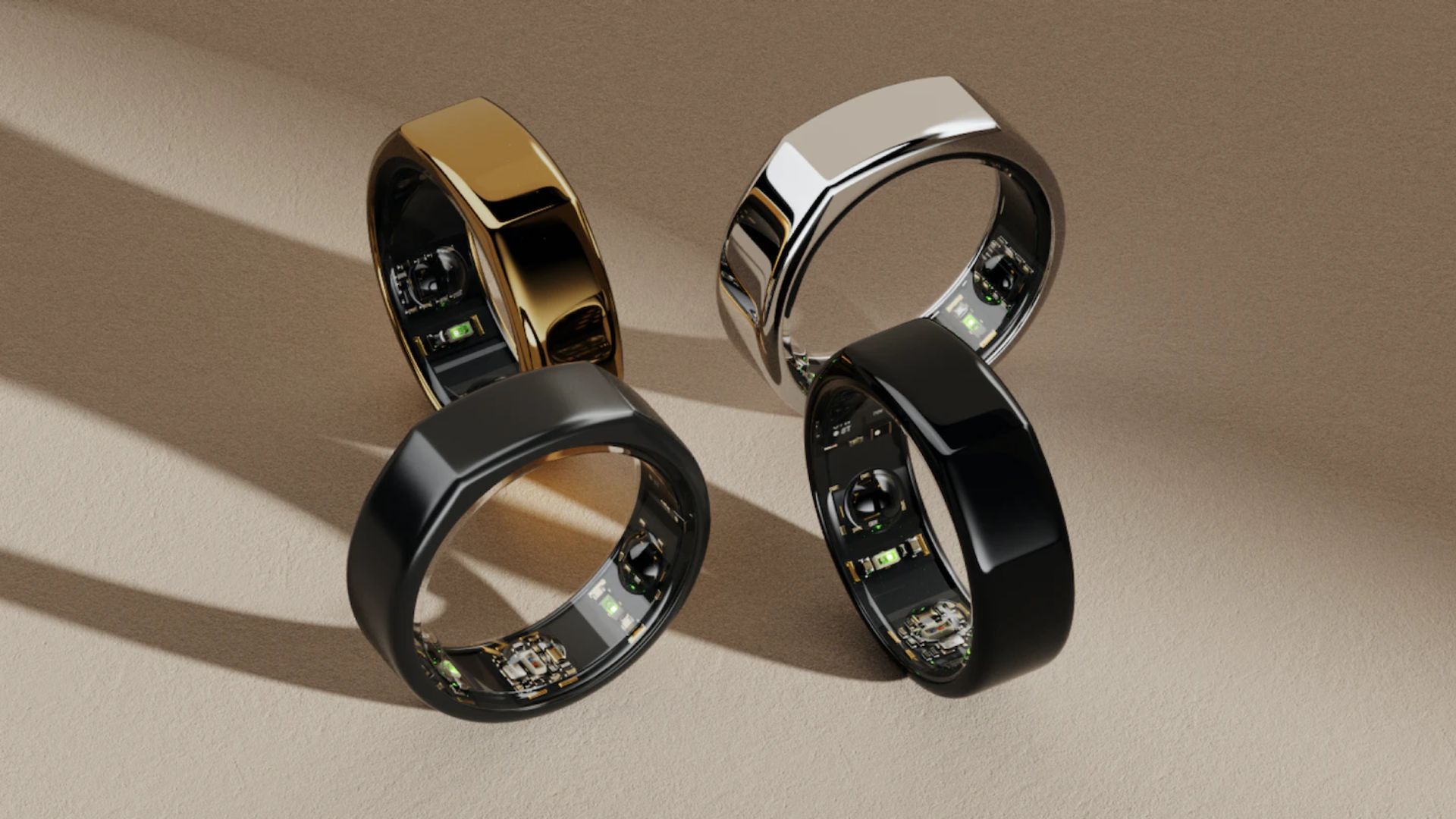
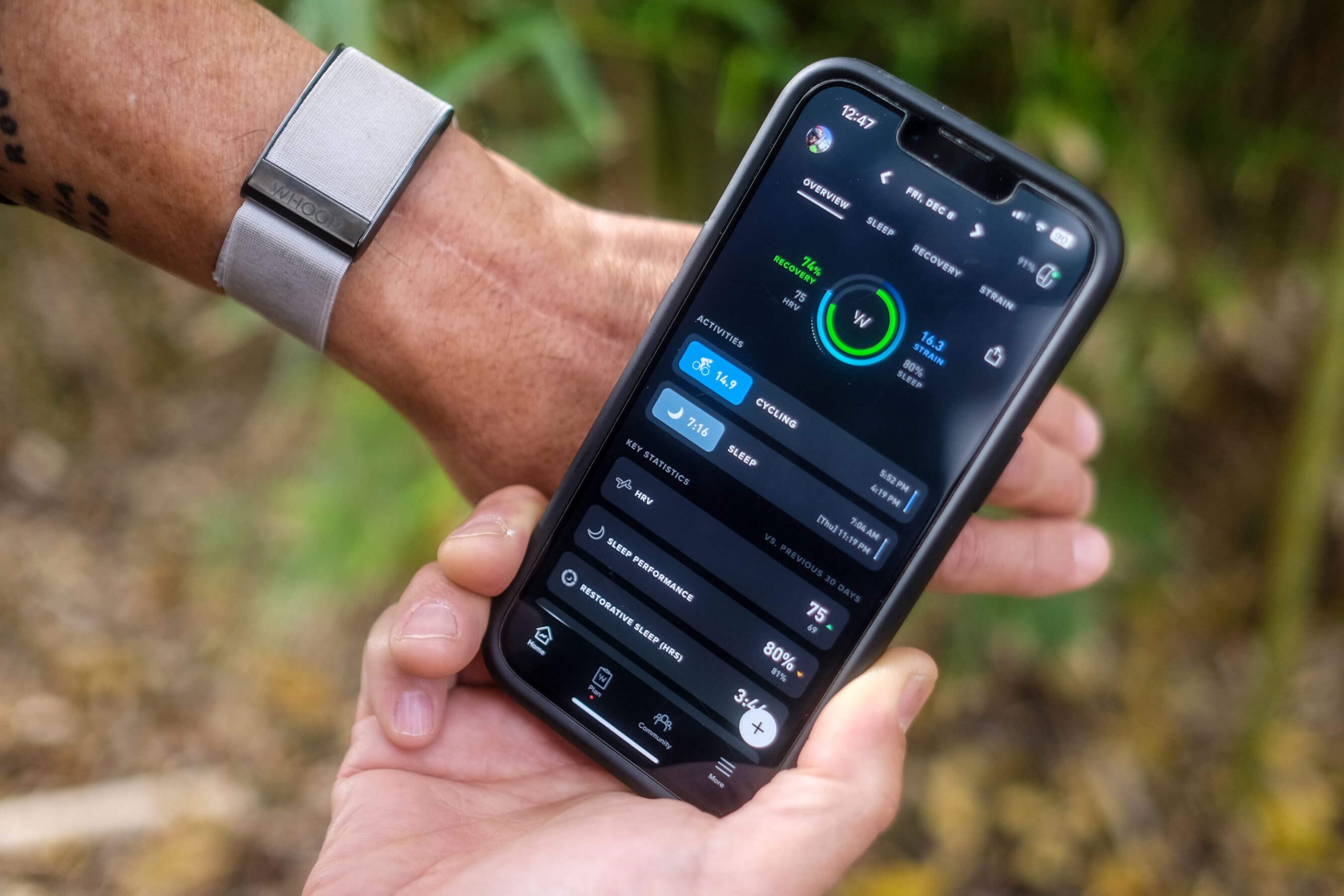
Devices like the Garmin Venu 3, Oura Ring, and Whoop 4.0 use optical heart rate sensors to measure HRV continuously throughout the day. These sensors emit light into the skin and detect the volume of blood flowing through the capillaries—a technique known as photoplethysmography (PPG). The data is then fed into proprietary algorithms that estimate stress levels based on patterns in HRV, as well as other metrics like skin temperature, respiratory rate, and activity levels.
For example, the Oura Ring tracks HRV during sleep and provides a “Readiness Score” each morning, which includes a component for stress. Similarly, Garmin’s “Body Battery” feature uses HRV, sleep data, and activity levels to estimate how much energy you have left in your “tank,” which can be depleted by stress. Whoop, meanwhile, calculates a “Strain” score that reflects how much stress your body is under, both physically and mentally.
But HRV is just one piece of the puzzle. Some devices, like the Fitbit Sense, also incorporate electrodermal activity (EDA) sensors, which measure tiny changes in sweat gland activity. EDA is a direct indicator of sympathetic nervous system activity and is often used in lie detector tests. When you’re stressed, your sweat glands become more active, even if you don’t feel sweaty. The Fitbit Sense uses this data to provide an “EDA Scan” feature, which guides users through a two-minute breathing exercise to help them relax.
Do These Devices Actually Work? What the Research Says
The million-dollar question is whether these consumer-grade devices can accurately measure stress in a way that’s useful for individuals—and potentially for doctors. The answer, like many things in medicine, is: it depends.
A 2020 study published in *npj Digital Medicine* found that wearable devices could detect physiological changes associated with stress, such as increased heart rate and decreased HRV, with reasonable accuracy. However, the study also noted that these devices were less reliable at distinguishing between different types of stress (e.g., physical stress from exercise vs. Emotional stress from work) or accounting for individual variations in baseline physiology.
Another study published in the *Journal of Medical Internet Research* in 2021 compared the stress-detection capabilities of several popular wearables, including the Apple Watch, Fitbit, and Garmin devices. The researchers found that while these devices could detect broad trends in stress levels, they often struggled with false positives—flagging stress when none was present—or failing to detect stress in individuals with atypical physiological responses.

One of the biggest challenges is that stress is highly subjective. What feels overwhelming to one person might be manageable for another. Wearables can measure physiological markers, but they cannot account for the psychological and contextual factors that influence how we perceive stress. For example, a high HRV might indicate relaxation in one person but could be a sign of chronic stress in someone with an overactive sympathetic nervous system.
Dr. Sarah Roberts, a cardiologist and researcher at the Mayo Clinic, cautions against over-relying on wearable stress data. “These devices can provide useful insights into trends over time, but they’re not diagnostic tools,” she says. “If someone’s smartwatch says they’re stressed, it’s worth paying attention to, but it’s not the same as a clinical evaluation. Stress is complex, and no algorithm can fully capture that complexity yet.”
Could Smartwatches Soon Help Your Doctor? The Potential for Clinical Use
Despite their limitations, wearable devices are already making their way into clinical settings. Some forward-thinking doctors and researchers are exploring how these tools could be used to supplement traditional medical care, particularly for conditions like anxiety, depression, and cardiovascular disease, where stress plays a significant role.
One area where wearables show promise is in remote patient monitoring. For example, patients with chronic conditions like hypertension or heart disease could use smartwatches to track their stress levels and share the data with their doctors. This could help clinicians identify patterns that might not be apparent during brief office visits. A 2020 study published in *Circulation: Cardiovascular Quality and Outcomes* found that patients who used wearables to monitor their heart health were more engaged in their care and had better outcomes than those who didn’t.

Another potential application is in mental health. Therapists and psychiatrists are beginning to use wearable data to track patients’ stress levels between sessions. For example, a patient with anxiety might wear a device that alerts them when their stress levels spike, prompting them to use coping techniques like deep breathing or mindfulness. Over time, this data could help therapists tailor treatment plans to the patient’s specific needs.
However, integrating wearable data into clinical practice is not without challenges. One of the biggest hurdles is data standardization. Different devices use different algorithms and metrics to measure stress, making it tough for doctors to compare data across platforms. There are concerns about data privacy and security. Health data is highly sensitive, and many consumers are wary of sharing it with third parties, including their doctors.
The U.S. Food and Drug Administration (FDA) has begun to address these issues by developing guidelines for digital health technologies. In 2020, the FDA issued a pre-certification program for software-based medical devices, which could pave the way for more wearables to be approved for clinical use. However, the program is still in its early stages, and it remains to be seen how quickly these devices will be adopted by mainstream medicine.
The Ethical and Practical Challenges of Wearable Stress Tracking
While the potential benefits of wearable stress tracking are exciting, there are also significant ethical and practical challenges to consider. One of the biggest concerns is data accuracy and reliability. As we’ve seen, these devices are not infallible, and false readings could lead to unnecessary anxiety or, conversely, a false sense of security. For example, if a smartwatch incorrectly indicates that a user is relaxed when they’re actually stressed, they might miss vital warning signs of burnout or other health issues.
Another concern is over-reliance on technology. Stress is a normal part of life, and learning to manage it is an important skill. If people become too dependent on their devices to tell them how they’re feeling, they might lose touch with their own emotional awareness. Dr. Roberts warns, “Wearables can be a helpful tool, but they shouldn’t replace self-reflection or professional care. It’s important to remember that these devices are not a substitute for talking to a doctor or therapist.”
There are also privacy risks to consider. Wearable devices collect vast amounts of personal data, including sensitive health information. If this data is not properly secured, it could be vulnerable to hacking or misuse. In 2021, a report by the Federal Trade Commission (FTC) found that some health apps were sharing users’ data with third parties without their consent. This raises serious questions about how wearable data is being used and who has access to it.
Finally, there’s the issue of accessibility and equity. Wearable devices are not cheap, and not everyone can afford them. If these tools become a standard part of healthcare, there’s a risk that they could widen the gap between those who can access cutting-edge technology and those who cannot. It’s crucial that any integration of wearables into clinical practice is done in a way that is inclusive and equitable.
What’s Next for Wearable Stress Tracking?
Despite the challenges, the future of wearable stress tracking looks promising. As sensors become more advanced and algorithms more sophisticated, these devices are likely to become more accurate and reliable. Researchers are also exploring recent ways to measure stress, such as using voice analysis or facial expressions, which could provide even more nuanced insights.
One exciting development is the integration of artificial intelligence (AI) into wearable devices. AI-powered algorithms could analyze stress data in real time and provide personalized recommendations for managing stress, such as suggesting a walk, a breathing exercise, or even a conversation with a therapist. Some companies, like Huma Therapeutics, are already using AI to help patients with chronic conditions manage their health more effectively.
Another area of growth is the use of wearables in workplace wellness programs. Employers are increasingly interested in using these devices to help employees manage stress and improve productivity. For example, some companies offer incentives for employees who meet certain stress-reduction goals, such as maintaining a healthy HRV or getting enough sleep. However, this raises questions about employee privacy and whether employers should have access to such personal data.
For now, the most important thing for consumers is to use wearable stress-tracking features as a supplement to, not a replacement for, professional medical advice. If your device indicates that you’re stressed, it’s worth paying attention to—but it’s also important to talk to your doctor or a mental health professional if you’re struggling. Stress is a complex issue, and while technology can help us understand it better, it’s not a cure-all.
Key Takeaways
- How smartwatches measure stress: Most devices use heart rate variability (HRV), skin temperature, respiratory rate, and activity levels to estimate stress. Some also incorporate electrodermal activity (EDA) sensors to detect sweat gland activity.
- Accuracy and limitations: While wearables can detect physiological changes associated with stress, they are not yet as accurate as clinical tools. They may struggle with false positives or fail to account for individual variations in stress responses.
- Potential clinical uses: Wearables could be used for remote patient monitoring, mental health tracking, and workplace wellness programs. However, challenges like data standardization and privacy concerns require to be addressed.
- Ethical considerations: Over-reliance on technology, data privacy risks, and accessibility issues are significant challenges that need to be carefully managed as these devices become more integrated into healthcare.
- Future developments: Advances in AI, voice analysis, and facial expression tracking could make wearable stress monitoring even more accurate and personalized in the coming years.
What Happens Next?
The next major milestone in wearable stress tracking will likely come from regulatory bodies like the FDA, which are working to establish guidelines for the clinical use of these devices. As more research is conducted and algorithms improve, we can expect to witness wearables play an increasingly important role in healthcare. However, it’s crucial that this integration is done thoughtfully, with a focus on accuracy, privacy, and equity.
For now, if you’re using a smartwatch or fitness tracker to monitor your stress, consider it a helpful tool—but not a replacement for professional care. And if you’re curious about how your device measures stress, take a closer appear at the science behind it. After all, understanding the technology is the first step toward using it wisely.
What are your thoughts on wearable stress tracking? Have you used a smartwatch or fitness tracker to monitor your stress levels? Share your experiences in the comments below, and don’t forget to share this article with anyone who might find it useful.