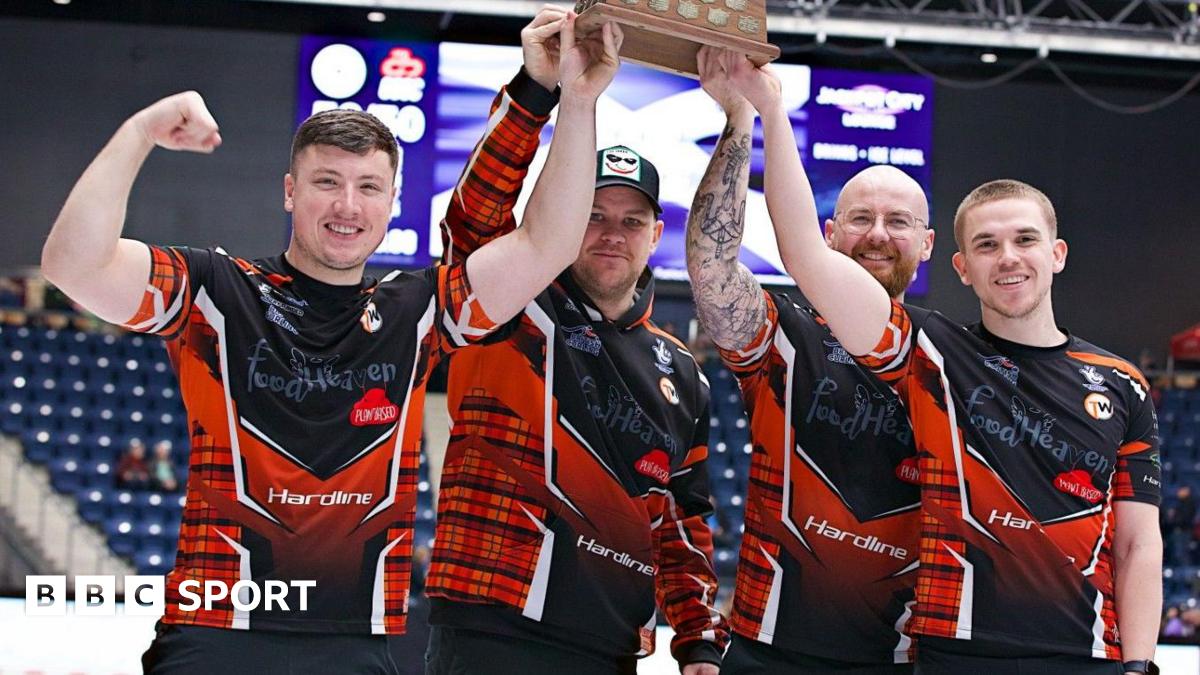
The pursuit of sporting excellence is often defined as much by the obstacles encountered as by the medals won. For Ross Whyte and his Scottish curling rink, the road to the 2026 podium was paved with the lingering sting of exclusion. Entering the Ross Whyte World Curling Championship campaign, the team carried a heavy emotional burden: the frustration of being sidelined from the Winter Olympics due to the rigid and often controversial nature of qualification rules.
While the Olympics are widely regarded as the pinnacle of athletic achievement, the “one team per nation” quota system frequently creates a paradox where world-class athletes are left home despite being ranked among the global elite. For Whyte, the transition from Olympic heartbreak to the world stage was not merely a change in venue, but a mission to validate his team’s standing in the sport. The resilience displayed by the Scottish side culminated in a hard-fought bronze medal at the LGT World Men’s Curling Championship 2026.
The narrative of the 2026 season has been one of redemption. For Whyte and his teammates, the World Championship offered a critical opportunity to prove that their absence from the Olympic ice in Milano Cortina was a result of administrative quotas rather than a lack of competitive edge. By securing a place on the podium, Scotland has reaffirmed its status as a powerhouse in international curling, though the victory is tempered by the knowledge of what might have been on the Olympic stage.
The Olympic Quota Conflict: Why Talent Isn’t Always Enough
To understand the drive behind Ross Whyte’s performance, one must first understand the “quirks” of the Winter Olympics rules that sparked the team’s initial frustration. In international curling, the qualification process for the Olympic Games is notoriously restrictive. Unlike many other sports where multiple athletes or teams from a single powerhouse nation can qualify based on world rankings, curling typically limits each National Olympic Committee to one entry per gender.
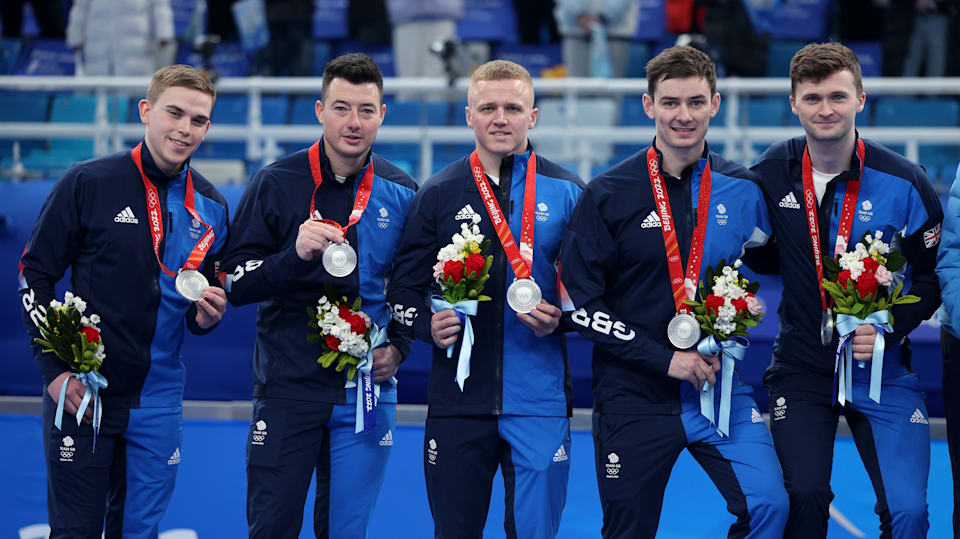
This system creates a high-stakes internal battle within nations like Scotland and Canada, where the depth of talent is extraordinary. Often, the second-ranked team in Scotland is statistically superior to the first-ranked teams of several other qualifying nations. When the selection process concludes, world-class rinks are left without a path to the Olympics, regardless of their global standing. For Ross Whyte, this structural limitation meant that one of the most competitive rinks in the world was forced to watch the Olympic tournament from the sidelines.
This “bottleneck” effect often leads to a psychological crossroads for athletes. They can either succumb to the frustration of a system that overlooks their merit or channel that energy into the World Championships. Whyte chose the latter, utilizing the LGT World Men’s Curling Championship as a platform to demonstrate that his rink remained a dominant force in the game.
The Path to Bronze at the LGT World Men’s Curling Championship 2026
The 2026 World Championship was more than just another tournament; it was a statement of intent. The Scottish rink entered the competition with a level of intensity born from the desire to reclaim their narrative. Throughout the round-robin and playoff stages, Whyte’s team displayed a tactical maturity and a level of aggression that signaled their hunger for a title.

The competition was fierce, featuring the world’s top-ranked rinks battling for supremacy. While the gold medal remained elusive, Scotland’s consistency and precision under pressure allowed them to navigate a grueling bracket. The culmination of their efforts was the bronze medal match, where the Scottish rink managed to secure a victory that ensured they would not leave the tournament empty-handed.
According to official results from World Curling, Scotland’s bronze medal finish cements their position as one of the most consistent performers in the men’s game. The victory provided a necessary closure to a season that began with the disappointment of Olympic exclusion, proving that the team could perform at the highest level despite the emotional toll of the preceding months.
Key Performance Factors for the Scottish Rink
- Psychological Resilience: The ability to convert Olympic frustration into competitive fuel.
- Tactical Adaptability: Adjusting to the varied ice conditions of the LGT Championship.
- Team Cohesion: Maintaining stability and trust within the rink despite external pressures.
- Precision Execution: High percentage of successful shots during the critical bronze medal match.
The Broader Impact on International Curling
The experience of Ross Whyte and his team highlights a growing conversation within the sporting community regarding the fairness of Olympic qualification. As the gap between the top-tier nations and the rest of the world narrows, the “one team per nation” rule is increasingly viewed as a barrier to the best possible competition. Critics argue that the Olympics should feature the best teams in the world, regardless of their passport, to ensure the highest quality of play.

When a team of Whyte’s caliber is excluded, the tournament loses a potential contender, and the athletes lose a once-in-a-lifetime opportunity. Although, the success of the Scottish rink at the World Championships serves as a testament to the depth of talent within the sport. It demonstrates that the World Curling Championships often provide a more comprehensive look at the global hierarchy than the Olympics, as they allow a broader range of elite talent to compete.
For the fans and the governing bodies, the 2026 results emphasize the need for a balanced approach to athlete selection. While the Olympics must remain a celebration of nations, the frustration felt by athletes like Whyte suggests that the system may need evolution to better reflect true athletic merit.
What Lies Ahead for Ross Whyte
With the bronze medal secured, Ross Whyte and his rink now look toward the next cycle of international competition. The 2026 season has proven that they possess the mental fortitude to overcome significant setbacks. The focus will now shift toward maintaining their world ranking and preparing for the next major championship, with the goal of transforming their bronze into gold.
The journey from the frustration of the Olympic rules to the podium in the World Championships is a narrative of persistence. For the Scottish curling community, Whyte’s success is a point of pride, proving that the spirit of the game transcends the limitations of any single tournament’s entry rules.
Further updates on the international curling calendar and official rankings can be found through the BBC Sport curling coverage and official World Curling communications.
The next major milestone for the international curling circuit will be the announcement of the qualifying events for the upcoming seasonal tour, expected in the coming months.
Do you believe the Olympic “one team per nation” rule is fair, or should the best teams qualify regardless of nationality? Share your thoughts in the comments below.
Worth a look