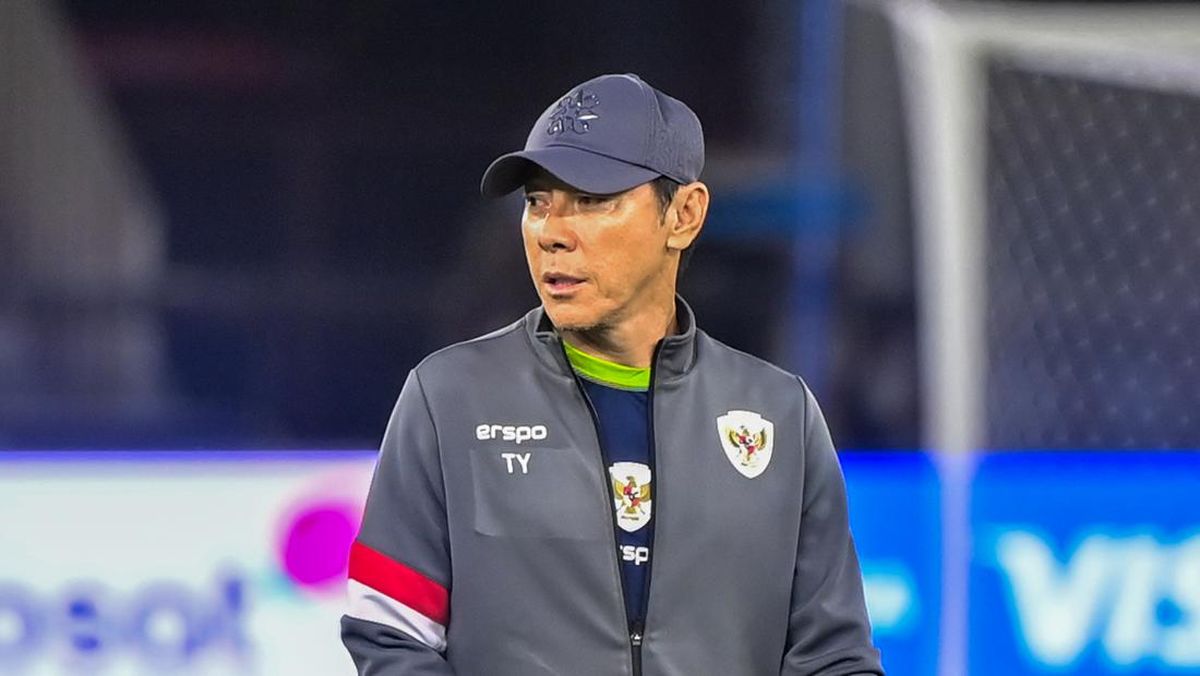
The landscape of Indonesian football is expanding beyond the traditional 11-a-side game, as the nation moves to professionalize smaller formats of the sport. In a strategic move to elevate the quality of small-sided football, the newly declared Indonesia Football 7 Federation has appointed Shin Tae-yong, the current head coach of the Indonesian national team, as its advisor. This partnership signals a concerted effort to bring elite-level tactical discipline and psychological rigor to the Shin Tae-yong Indonesia Football 7 initiative.
Shin Tae-yong, widely recognized for his transformative impact on the senior national team, is expected to apply the same high-performance standards to the “Football 7” format. The appointment is not merely ceremonial; We see designed to facilitate a comprehensive transfer of knowledge from the highest levels of international football to a burgeoning sector of the sport in Indonesia. By integrating professional coaching philosophies into the F7 framework, the federation aims to cultivate a new generation of players who possess both the technical agility and the mental fortitude required for competitive success.
Central to this new role is Shin’s intent to be “aggressive” in tempering the mentality of the players. For those familiar with his tenure as national team coach, this approach involves a rigorous focus on discipline, physical endurance, and a “never-say-die” attitude. The goal is to eliminate the psychological barriers that often hinder Indonesian athletes on the international stage, ensuring that the F7 national team operates with the same professional intensity as their 11-a-side counterparts.
The Strategic Vision of the Indonesia Football 7 Federation
The formal declaration of the Indonesia Football 7 Federation marks a pivotal moment for mini-soccer and small-sided games in the region. While small-sided football has long been a popular recreational activity in Indonesia, the creation of a formal federation provides the necessary infrastructure for organized competition, standardized rules, and a clear pathway for athlete development. The federation’s primary objective is to transition the sport from a casual pastime into a disciplined competitive discipline.
By bringing in Shin Tae-yong as an advisor, the federation is leveraging a proven track record of success. The “transfer of knowledge” mentioned by Shin refers to the implementation of modern training methodologies, data-driven performance analysis, and structured tactical periodization. These elements, which are staples of South Korean and European football, are intended to refine the technical capabilities of F7 players, who must operate in tighter spaces and make decisions more rapidly than those in the full-game format.
The synergy between the 11-a-side and 7-a-side formats is too a key consideration. Small-sided games are globally recognized as essential tools for developing a player’s “football IQ.” As players in a 7-a-side game touch the ball more frequently and are involved in more transitions, the format naturally enhances ball control, passing accuracy, and spatial awareness. With Shin’s guidance, the Indonesia Football 7 Federation hopes to create a symbiotic relationship where the F7 format serves as a high-intensity laboratory for technical growth that can ultimately benefit the broader football ecosystem in Indonesia.
Forging the “Winner’s Mentality” in Small-Sided Football
One of the most discussed aspects of Shin Tae-yong’s coaching philosophy is his uncompromising approach to mental conditioning. In the context of the Indonesia Football 7 national team, this “aggressive” tempering of mentality is seen as the missing link in the players’ development. The transition from talented amateurs to professional competitors requires a shift in mindset—one that prioritizes collective discipline over individual flair and resilience over frustration.
This mental conditioning typically manifests in several key areas:

- Psychological Resilience: Training players to remain composed under extreme pressure, particularly in the closing minutes of a match.
- Professional Discipline: Establishing strict standards for diet, recovery, and punctuality, mirroring the requirements of professional leagues in Asia and Europe.
- Tactical Obedience: Ensuring that players can execute complex tactical instructions precisely, reducing the reliance on instinct alone.
- Competitive Aggression: Encouraging a proactive style of play where the team dictates the tempo rather than reacting to the opponent.
By applying these principles to Shin Tae-yong Indonesia Football 7, the advisor aims to ensure that the national team does not just participate in tournaments but competes to win. The focus is on creating a culture of excellence where the “fear of failure” is replaced by a drive for perfection. This approach has already shown results in the senior national team’s improved standings and performance in continental competitions, and the federation believes these results can be replicated in the F7 format.
Analyzing the Impact: Is an Advisor Role the Right Move?
The appointment of a high-profile figure like Shin Tae-yong to an advisory role in a different football format has sparked healthy debate among analysts and fans. The primary question revolves around whether the demands of managing the 11-a-side national team—which involves grueling travel schedules and high-stakes World Cup qualifying matches—leave enough room for meaningful contribution to the F7 federation.
Proponents of the move argue that the role of “Advisor” is distinct from that of a “Head Coach.” As an advisor, Shin is not expected to handle the day-to-day training sessions or manage the administrative minutiae of the federation. Instead, his role is to provide the overarching strategic vision, set the performance benchmarks, and mentor the actual coaching staff. This allows him to influence the direction of the sport without becoming bogged down in the operational details that could distract him from his primary duties with the national team.
the move is seen as a way to standardize the “Indonesian way” of playing football across different formats. If the same philosophy of mental toughness and tactical discipline is applied to both 11-a-side and 7-a-side football, it creates a unified sporting culture. This consistency makes it easier for players to transition between formats and ensures that any youth player entering the system, regardless of the game size, is exposed to the same elite standards.
Comparison: 11-a-Side vs. Football 7 Development Focus
| Feature | 11-a-Side Football | Football 7 (F7) |
|---|---|---|
| Primary Focus | Positional discipline and endurance | Rapid decision-making and agility |
| Ball Contact | Lower frequency per player | Significantly higher frequency |
| Tactical Space | Large-scale spatial management | Tight-space navigation and pressing |
| Mental Demand | Long-term concentration (90 mins) | High-intensity, burst-mode focus |
The Broader Context: South Korean Influence on Indonesian Sport
The continued collaboration between Shin Tae-yong and Indonesian football institutions is part of a larger trend of South Korean expertise flowing into the country. Beyond the pitch, there has been a notable increase in cooperation between South Korean industries and local Indonesian companies, reflecting a broader diplomatic and economic strengthening of ties between Seoul and Jakarta. This “Korean Wave” in sports is characterized by a focus on discipline, technology, and a rigorous work ethic—traits that are highly valued in the current Indonesian drive for sporting modernization.
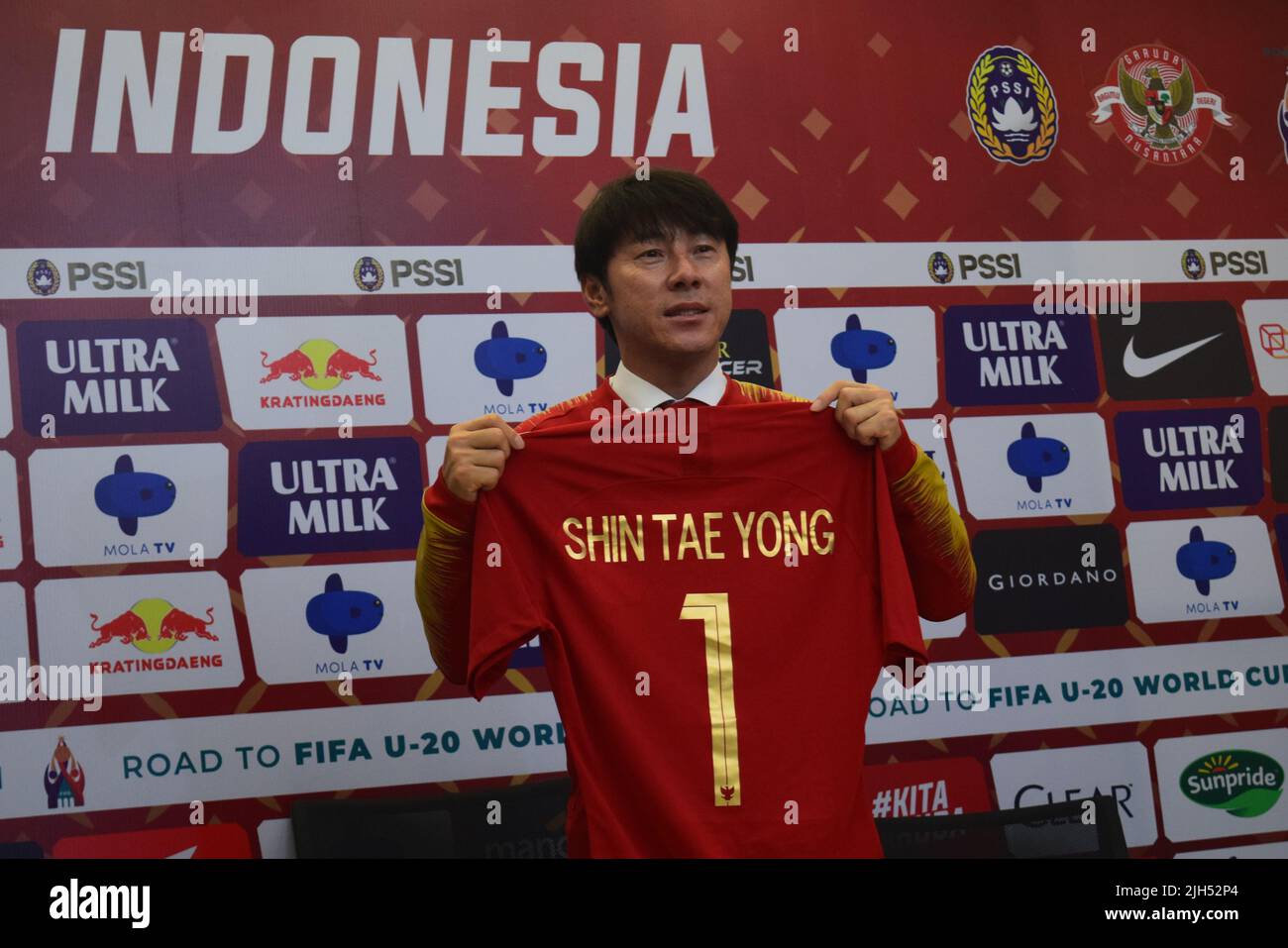
Shin Tae-yong serves as a cultural and professional bridge. His ability to blend South Korean discipline with an understanding of the Indonesian temperament has made him a uniquely effective leader. By extending this influence to the Indonesia Football 7 Federation, the government and sporting bodies are effectively diversifying the application of this expertise, ensuring that the benefits of professional South Korean coaching are not limited to a single team but are instead woven into the fabric of the national sports infrastructure.
What Happens Next for Indonesia Football 7?
With the federation now declared and the advisory structure in place, the focus shifts toward the implementation of the training programs. The immediate priority will be the identification of talent for the F7 national team. Unlike the 11-a-side team, which draws from a massive pool of professional league players, the F7 team will likely look for a mix of specialized mini-soccer players and 11-a-side players who possess the specific agility and technical profile suited for the smaller pitch.
Expectations are high for the first set of training camps under the “Shin-influenced” curriculum. The sporting community will be watching closely to witness if the “aggressive” mental conditioning translates into immediate results on the pitch. As the federation begins to organize domestic leagues and seek international friendly matches, the goal will be to establish Indonesia as a powerhouse in the global Football 7 community.
The next confirmed checkpoint for the federation will be the rollout of its first official national team selection process and the announcement of the coaching staff who will work directly under Shin Tae-yong’s advisory. These developments will determine the pace at which the “transfer of knowledge” occurs and how quickly the F7 national team can be readied for international competition.
Do you suppose the rigorous “STY method” is the right fit for the faster, more condensed game of Football 7? Share your thoughts in the comments below and let us understand if you believe this will elevate Indonesia’s standing in small-sided football.
Worth a look