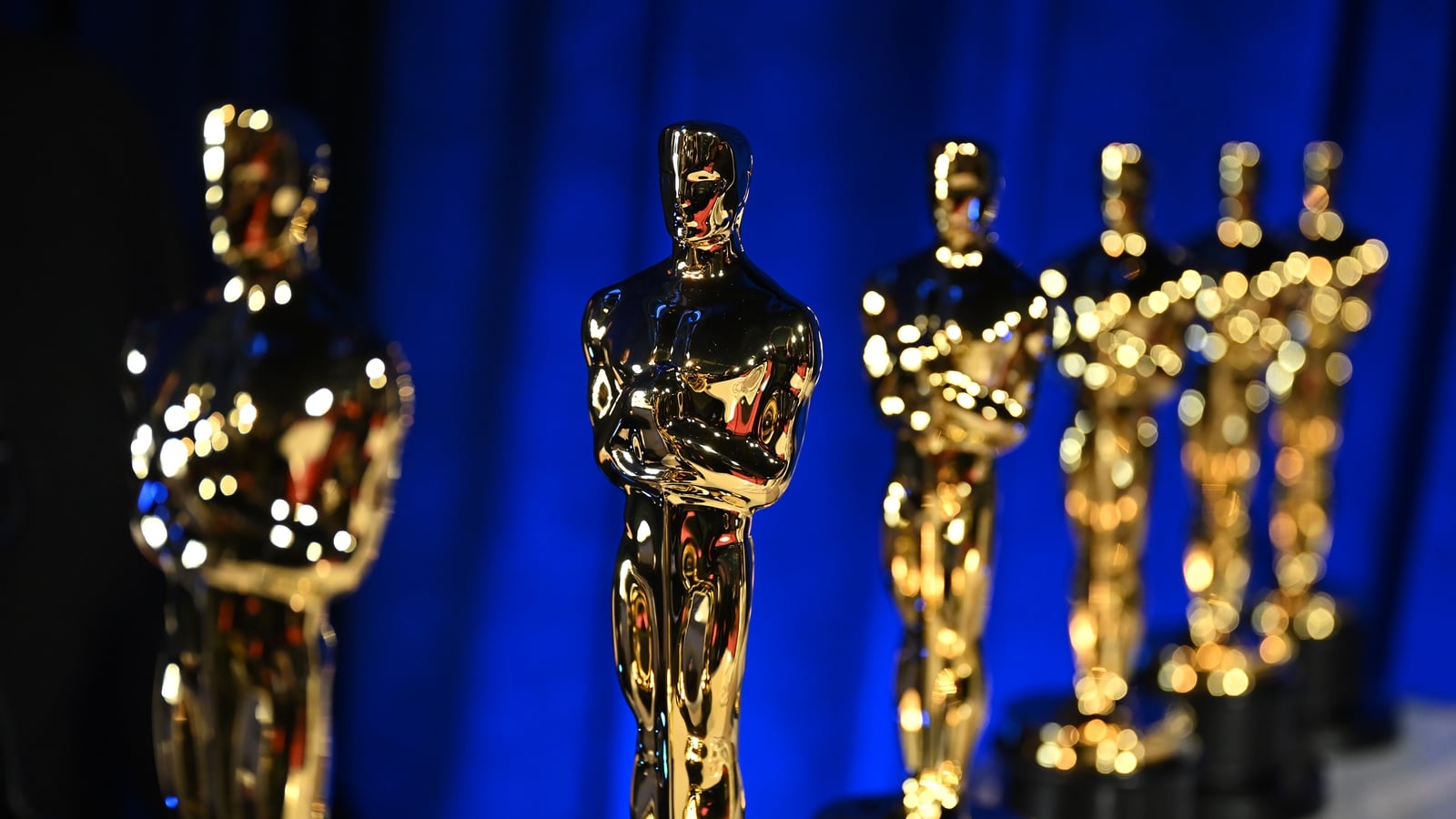
The Academy of Motion Picture Arts and Sciences has introduced new guidelines for the 98th Academy Awards, establishing a clear boundary between human creativity and generative artificial intelligence (GenAI). In a move to preserve the prestige of the Oscars, the Academy’s Board of Governors has clarified that whereas digital tools are permitted, the “human heart” of creative authorship remains the primary metric for eligibility and victory.
The updated rules, approved on Monday, April 21, 2025, address growing industry anxiety over the role of AI in filmmaking. The Academy has specified that the use of generative AI tools will neither automatically disqualify a film nor guarantee a nomination. Instead, the Academy and its various branches will evaluate achievements based on the extent to which human beings drove the creative process.
This policy shift comes as a direct response to controversies surrounding previous contenders. Reports and claims emerged that Best Picture nominees, including The Brutalist
and A Complete Unknown
, had utilized some form of generative AI in their production, prompting the Academy’s Science and Technology Council to codify these standards for the 2026 awards cycle.
Human Authorship at the Center of Eligibility
The core of the new mandate is the preservation of human artistry. According to the official eligibility language approved by the Academy, the organization will judge nominations and awards by taking into account the degree to which a human was at the heart of the creative authorship when choosing which movie to award
.
While the Academy has not explicitly banned all AI-generated elements, the emphasis on “creative authorship” suggests a high bar for any project relying heavily on synthetic actors or AI-written scripts. For a performance or a screenplay to be recognized, the creative impetus must originate from a person, not an algorithm. This effectively ensures that AI-generated “actors” or fully AI-authored scripts without significant human direction remain ineligible for individual awards.
The move aligns with broader labor disputes seen across Hollywood, where writers and actors have fought for protections against being replaced by synthetic replicas. By centering the “human heart” of the work, the Academy is reinforcing the industry’s traditional value system in the face of rapid technological disruption.
Broader Changes for the 98th Oscars
The AI guidelines are part of a wider set of rule changes for the 98th Academy Awards, which are scheduled to take place on March 15, 2026. Beyond the AI crackdown, the Academy is implementing several procedural shifts to increase the integrity of the voting process.
- Voter Requirements: In a significant procedural change, voters are now required to watch every nominated film in a category before they are eligible to cast a final vote.
- Cinematography Shortlists: The Cinematography category will now include a preliminary round of voting to establish a shortlist of between 10 and 20 films.
- International Feature Inclusion: The eligibility requirements for the Best International Feature Film category have been expanded. The submitting country must now confirm that creative control was largely in the hands of citizens, residents, or
individuals with refugee or asylum status
in that country. - PGA Certification: New deadlines have been set for Producers Guild of America (PGA) mark certification. For films released between January 1 and June 30, 2025, proof of submission is required by September 10, 2025. For films released between July 1 and December 31, 2025, the deadline is November 13, 2025.
Key Takeaways: AI and the Oscars
| Category | Rule Status | Requirement |
|---|---|---|
| GenAI Tools | Neutral | Neither help nor harm nomination chances. |
| Creative Authorship | Mandatory | Must be driven by a human at the heart of the process. |
| AI Actors/Writers | Restricted | Ineligible if human creative authorship is absent. |
Why This Matters for the Global Film Industry
The Academy’s decision serves as a bellwether for the global entertainment industry. As generative AI becomes more capable of producing photorealistic humans and complex narratives, the definition of “art” is being challenged. By insisting on human authorship, the Academy is attempting to prevent a future where the highest honors in cinema are awarded to software engineers rather than filmmakers.
Industry analysts suggest that this move provides a necessary layer of protection for human talent. If the Academy had allowed AI-generated performances to compete on equal footing, it could have incentivized studios to prioritize cost-cutting synthetic assets over human actors. Instead, the 98th Oscars will prioritize the human element, ensuring that the “magic of cinema” remains a human endeavor.
the inclusion of filmmakers with refugee or asylum status in the International Feature category highlights the Academy’s attempt to modernize its inclusivity, acknowledging that political instability often forces artists to seek safety outside their home countries without stripping them of their creative identity.
The next major milestone for the 2026 awards season will be the nominations voting period, which is scheduled to run from Monday, January 12, through Friday, January 16, 2026, with official nominees announced on Thursday, January 22, 2026.
Do you believe the Academy is doing enough to protect human artists from AI, or is this a symbolic gesture in an unstoppable tide? Share your thoughts in the comments below.
Keep reading