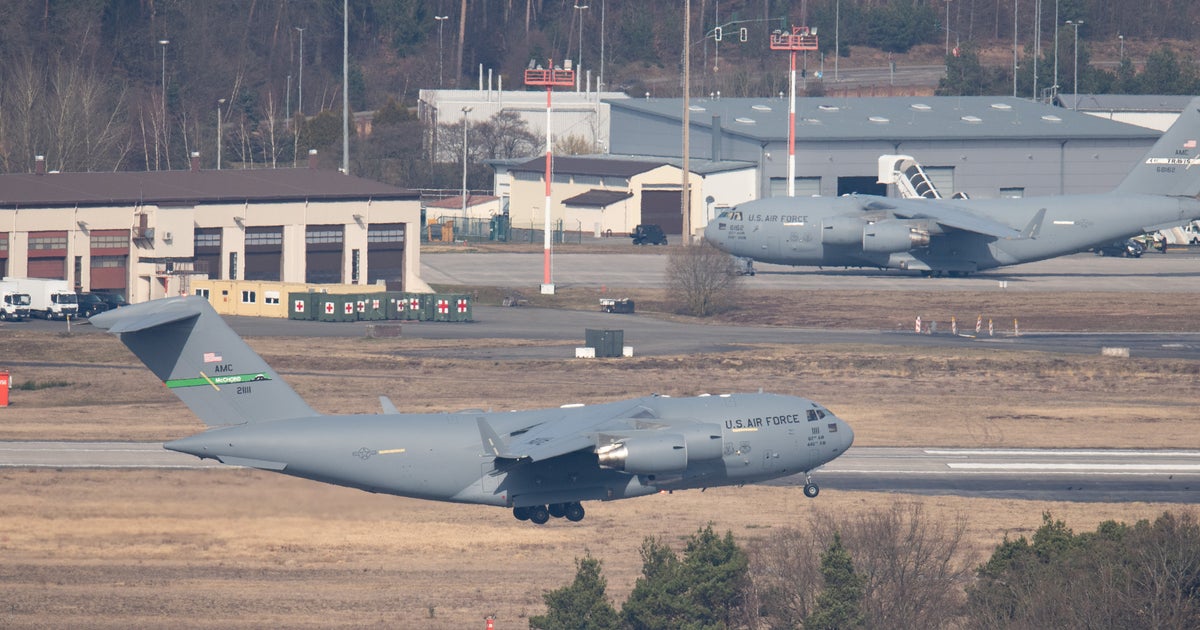
The strategic landscape of the North Atlantic Treaty Organization (NATO) faces a potential shift as the Trump administration weighs a significant reduction of U.S. Military personnel stationed in Germany. The proposal to cut 5,000 U.S. Troops from Germany represents a pivot in American foreign policy, emphasizing a desire to reduce the financial and operational burden of overseas deployments while urging European allies to increase their own defense spending.
Germany has long served as a critical hub for American power projection in Europe, hosting more than 35,000 U.S. Service members. This presence is designed to deter aggression and ensure the stability of the European continent. However, the move to decrease the troop count reflects a broader “America First” approach to national security, where the U.S. Seeks to recalibrate its global footprint based on cost-benefit analyses and the willingness of partner nations to share the security load.
The decision to reduce the force structure is not an isolated event but part of a larger pattern of reviewing military commitments across the globe. While the Pentagon typically manages troop levels through complex agreements and long-term strategic planning, the executive branch’s push for a faster drawdown has created tension between political objectives and military readiness. Defense officials are currently evaluating which units would be most affected and how such a move would impact the U.S. Ability to respond to crises in Eastern Europe.
The Strategic Rationale for Troop Reductions
The primary driver behind the plan to cut 5,000 U.S. Troops from Germany is the belief that the current distribution of forces is an artifact of the Cold War. For decades, the U.S. Maintained a massive presence in Germany to counter the Soviet Union. While the threats have evolved, the administrative and financial costs of maintaining these bases remain high. By reducing the number of personnel, the administration aims to redirect resources toward more agile, modernized forces capable of responding to 21st-century threats, such as cyber warfare and instability in the Indo-Pacific region.
the administration has frequently criticized NATO allies for failing to meet the agreed-upon target of spending 2% of their gross domestic product (GDP) on defense. The threat of reducing the American military footprint is often used as leverage to compel European nations to invest more in their own sovereign capabilities. The logic is that if the U.S. Provides less of a “security umbrella,” European governments will be forced to accelerate their military modernization and procurement programs.
Military analysts suggest that the reduction of 5,000 personnel—roughly 14% of the total U.S. Force in Germany—could be achieved by consolidating bases or reducing the size of support units. However, the impact on operational readiness is a point of contention. Some commanders argue that any reduction in the “tripwire” force in Germany could be perceived as a lack of resolve by adversaries, potentially emboldening regional aggressors.
Impact on U.S.-German Relations and NATO Stability
The prospect of a diminished U.S. Presence has sparked concern in Berlin and Brussels. Germany, which has historically relied on the U.S. For a significant portion of its security architecture, finds itself in a precarious position. The U.S. Military presence in Germany is not only a deterrent but also a symbol of the enduring transatlantic bond. A reduction in troops could be interpreted as a step toward isolationism, weakening the political cohesion of the NATO alliance.
Within NATO, the “burden-sharing” debate has become a central pillar of diplomatic friction. While several European nations have increased their defense budgets, the pace of these increases has not always met U.S. Expectations. The potential withdrawal of troops forces a demanding conversation about the future of the alliance: whether NATO remains a U.S.-led organization or evolves into a more balanced partnership where European powers seize a primary role in their own regional defense.
The logistical challenges of such a drawdown are also significant. Moving thousands of troops and their families involves complex negotiations over base closures, equipment transport, and the economic impact on local German communities that rely on the spending power of U.S. Service members. The “host nation support” agreements that govern these bases would need to be renegotiated, potentially leading to diplomatic disputes over the timeline and terms of the exit.
Key Considerations for the Drawdown
- Operational Readiness: Evaluating whether the remaining 30,000 troops can maintain the same level of deterrence and rapid response.
- Economic Impact: Assessing the loss of revenue for German towns surrounding major U.S. Installations.
- Allied Response: Monitoring whether European nations increase their defense spending in direct response to the U.S. Exit.
- Geopolitical Signaling: Determining how adversaries, particularly Russia, perceive the reduction in American commitment to European soil.
What Happens Next: The Path to Implementation
The process of cutting troops is rarely instantaneous. It typically involves a series of reviews by the Department of Defense, followed by formal notifications to the host government. The administration must balance the political desire for a quick reduction with the military’s requirement for a phased transition to avoid creating “security vacuums.”
The next critical phase involves the identification of specific units for relocation or decommissioning. This will likely include a review of the “Army Europe and Africa” command structure to ensure that the remaining forces are positioned for maximum efficiency. Diplomatic channels between Washington and Berlin will be essential to ensure that the drawdown is viewed as a strategic realignment rather than a retreat.
Observers will be watching for official directives from the Pentagon and statements from the German Ministry of Defence. The timing of the withdrawal will be crucial, especially if geopolitical tensions in Eastern Europe continue to fluctuate. Any sudden movement of troops during a period of instability could trigger unintended escalations.
The next confirmed checkpoint in this process will be the release of the updated U.S. Force Posture review and the subsequent budgetary filings for the upcoming fiscal year, which will detail the funding allocations for overseas base operations. We will continue to monitor official government announcements for specific timelines and unit designations.
Do you believe the U.S. Should maintain its current troop levels in Europe, or is a reduction necessary for modern security? Share your thoughts in the comments below and share this report with your network.
Keep reading