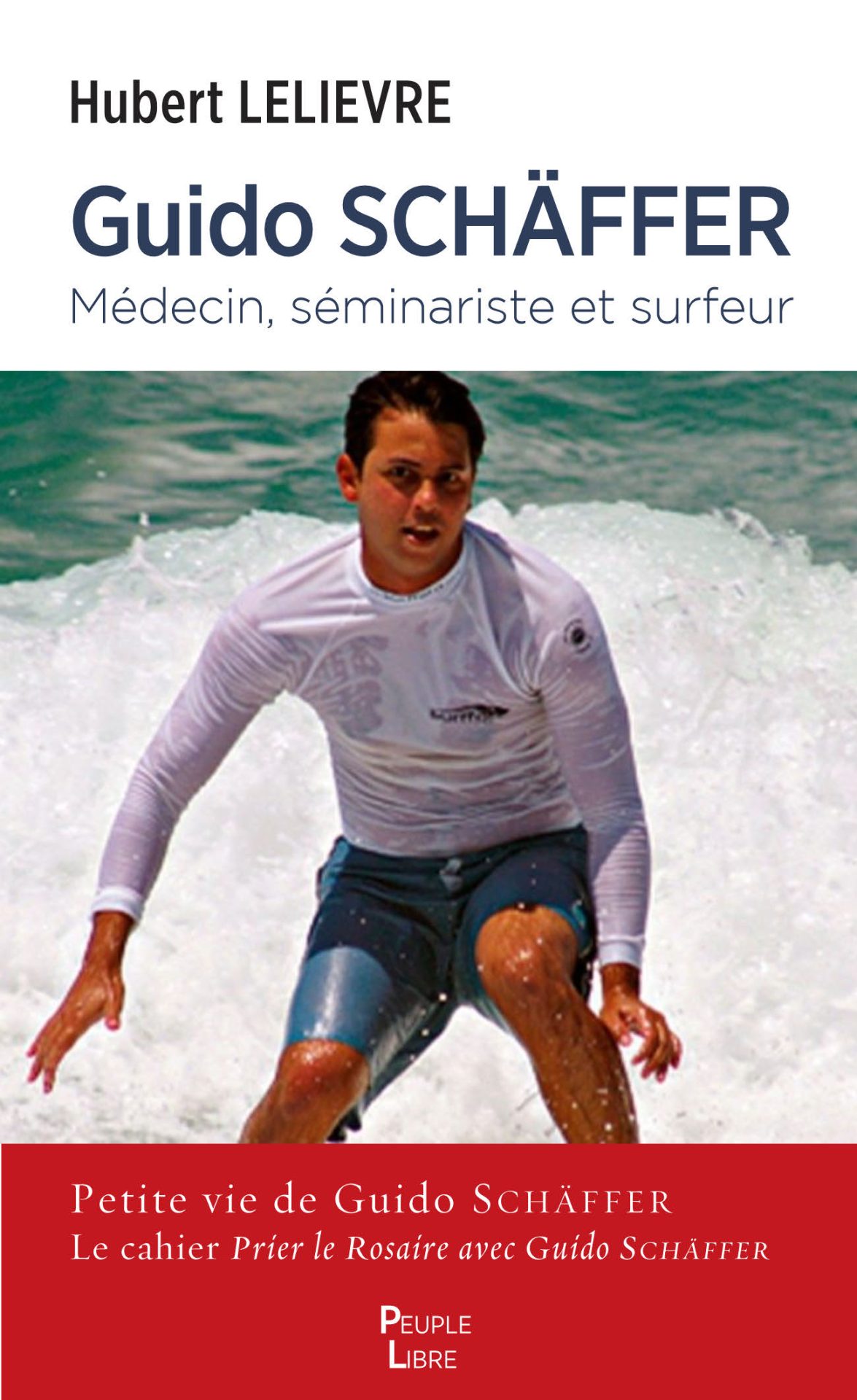
The path to sainthood in the Catholic Church is often associated with ancient martyrs or cloistered monastics, but a modern figure from Brazil is challenging those stereotypes. Guido Vidal França Schäffer, a physician and seminarian known for his passion for the ocean, is moving closer to official canonization after Pope Francis recognized his “heroic virtue.”
Known affectionately as the Surfer Angel
, Schäffer’s life was a blend of high-level medicine, spiritual devotion, and a deep connection to the waves of Rio de Janeiro. His journey toward sainthood reflects a growing trend within the Church to highlight sanctity in the everyday lives of laypeople and modern professionals, bridging the gap between traditional piety and contemporary lifestyle.
The process reached a significant milestone on May 20, 2023, when Pope Francis issued a decree declaring Schäffer Venerable
. This designation signifies that the Church has officially recognized that the individual lived a life of heroic virtue, a critical step before the more rigorous requirements of beatification and eventual sainthood can be met.
The Life of Guido Schäffer: Medicine and Ministry
Born on May 22, 1974, in Volta Redonda, Rio de Janeiro, Brazil, Guido Schäffer did not initially set out for the priesthood. He pursued a career in medicine, becoming a doctor and dedicating himself to the care of the sick. However, his professional success was accompanied by a deepening spiritual calling that eventually led him to the seminary.
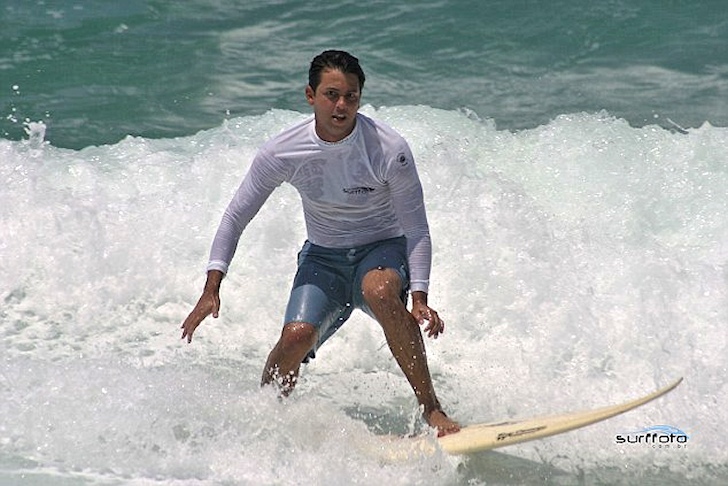
Schäffer’s approach to faith was not one of withdrawal from the world, but of engagement with it. He continued to surf throughout his medical studies and his time as a seminarian, viewing the ocean as a place of spiritual encounter and a reflection of the divine. This duality—the precision of a physician and the surrender of a surfer—became the hallmark of his public witness.
His transition from medicine to the priesthood was seen by many of his peers as a testament to his commitment to service. By combining his medical knowledge with spiritual guidance, he sought to heal both the body and the soul, making him a relatable figure for young Brazilians navigating the pressures of modern professional life.
The Tragic Accident and the ‘Surfer Angel’ Legacy
The life of Guido Schäffer was cut short on May 1, 2009, during a surfing accident off the coast of Rio de Janeiro. At the age of 34, he suffered a catastrophic injury—a broken neck—while riding the waves he loved. He died shortly thereafter, leaving behind a community of friends, family, and fellow believers who viewed his life as a model of modern holiness.
Following his death, the Archdiocese of São Sebastião do Rio de Janeiro initiated the process of beatification. The movement was fueled by reports of his humility, his dedication to the poor, and the perceived spiritual impact he had on those around him. He became known as the Surfing Saint
or Surfer Angel
, a title that resonated with the global surfing community and young Catholics alike.
The recognition of his “heroic virtue” by the Vatican is not merely a posthumous honor but a validation of his specific way of living. The Church’s investigation into his life examined his writings, his medical practice, and the testimony of those who knew him, concluding that his faith was not just a private belief but a driving force in every action he took.
Understanding the Road to Sainthood
For those unfamiliar with the complex bureaucracy of the Vatican’s Dicastery for the Causes of Saints, the title of Venerable
is a pivotal stage. The process generally follows a strict sequence of steps:
- Servant of God: The initial phase where a local bishop opens an investigation into the candidate’s life.
- Venerable: The stage reached by Guido Schäffer. The Pope decrees that the person lived a life of “heroic virtue.”
- Beatification (Blessed): Requires the verification of one miracle attributed to the person’s intercession after their death.
- Canonization (Saint): Requires a second verified miracle, leading to the official declaration of sainthood.
Because Schäffer has been declared Venerable, the focus now shifts to the search for verified miracles. In the Catholic tradition, a miracle is typically a medical healing that cannot be explained by science, occurring after prayers were offered to the candidate for their intercession.
The prospect of a “patron saint of surfers” holds significant cultural weight. While the Church has many patron saints for specific professions—such as St. Luke for physicians—a saint specifically associated with surfing would be a rare modern addition, potentially offering a point of connection for millions of athletes and ocean enthusiasts worldwide.
Key Milestones in the Cause of Guido Schäffer
| Date | Event/Status | Significance |
|---|---|---|
| May 1, 2009 | Death | Died at age 34 following a surfing accident in Rio de Janeiro. |
| Post-2009 | Diocesan Phase | Archdiocese of São Sebastião do Rio de Janeiro begins the cause. |
| May 20, 2023 | Declared Venerable | Pope Francis recognizes his heroic virtue via official decree. |
Why the ‘Surfing Saint’ Matters Today
The elevation of Guido Schäffer is more than a religious formality; it is a statement about where holiness is found in the 21st century. By recognizing a man who was a doctor, a surfer, and a seminarian, the Church is acknowledging that spiritual excellence is compatible with physical activity, professional ambition, and a love for nature.
For the surfing community, the image of a “Surfer Angel” transforms the act of surfing from a sport or hobby into a potentially spiritual practice. It suggests that the awe and humility experienced in the face of the ocean’s power can be a gateway to a deeper faith.
Schäffer’s background as a physician adds a layer of intellectual and compassionate depth to his legacy. His life suggests that the pursuit of science and the pursuit of God are not contradictory, but complementary paths toward understanding the human condition.
As the cause for his beatification continues, the global community awaits reports of miracles that could propel him to the next stage. Until then, his life serves as a bridge between the sacred and the secular, proving that the path to the divine can be found in the most unexpected places—including the break of a wave.
The next official checkpoint in this process will be the verification of a miracle by the Vatican’s medical and theological boards, a requirement for the transition from Venerable to Blessed. Updates on this process are typically released through official Vatican communications and the Archdiocese of Rio de Janeiro.
Do you believe modern figures can bridge the gap between tradition and contemporary life? Share your thoughts in the comments below and share this story with others interested in modern spirituality.
Keep reading