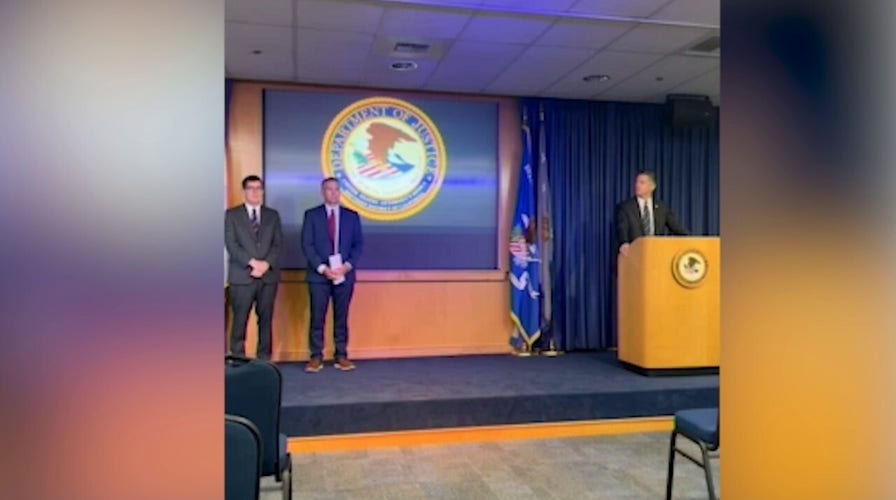
The political landscape of northwest Mexico has been thrown into turmoil following a sweeping U.S. Federal indictment targeting the sitting governor of Sinaloa. On April 29, 2026, prosecutors in the Southern District of New York unsealed charges against Rubén Rocha Moya, accusing the 76-year-old governor of conspiring with the notorious Sinaloa Cartel to facilitate the mass importation of narcotics into the United States.
The indictment, which also targets nine other current and former Mexican officials, alleges a sophisticated scheme of bribery and political protection. According to the U.S. Drug Enforcement Administration, these officials allegedly worked with cartel leaders to ensure the smooth flow of drugs across the border in exchange for political support and financial kickbacks.
For the residents of Sinaloa, a state long plagued by the violent hegemony of the cartel that shares its name, the charges represent a profound reckoning. The revelation that the state’s highest executive may have been operating in tandem with the very criminal organizations responsible for decades of instability suggests a level of institutional capture that complicates any hopes for genuine security reform.
The legal action has immediately escalated diplomatic tensions between Washington and Mexico City. Governor Rocha Moya, a member of the Morena party—the same party as President Claudia Sheinbaum—has become a central flashpoint in a strained relationship already burdened by disputes over fentanyl trafficking and border security.
The Scope of the Allegations and Legal Charges
The Manhattan-based indictment is not merely a charge of corruption but a direct accusation of narcotics trafficking. Federal prosecutors allege that Rocha Moya and his associates conspired to import massive quantities of narcotics
into the U.S., according to the official DEA announcement. This marks a significant escalation from typical corruption cases, as it directly ties a sitting head of state to the operational logistics of a transnational criminal organization.
The charges include conspiracy to distribute controlled substances and weapons charges. The U.S. Attorney for the Southern District of New York, Jay Clayton, indicated that the defendants allegedly leveraged their official positions to shield cartel activities from law enforcement, effectively turning state machinery into a tool for the Sinaloa Cartel. This systemic betrayal of public trust has sparked outrage among civil society groups in Culiacán and other major cities across the state.
Whereas the U.S. Government has moved aggressively with the indictment, the actual apprehension of the governor remains a complex legal and diplomatic hurdle. Under Mexican law, high-ranking officials often enjoy degrees of immunity and the Mexican government has historically been cautious about extraditing political figures unless a rigorous domestic legal process is completed first.
Political Fallout and the Battle for Power in Sinaloa
The immediate aftermath of the indictment saw a flurry of contradictory reports regarding the governor’s status. While some initial reports suggested a temporary step-down or resignation, Rubén Rocha Moya has publicly rejected these claims. In a statement delivered in Culiacán on April 30, 2026, Rocha Moya discarded the idea of resigning
, asserting that he would remain in office despite the international allegations, as reported by Sinaloahoy.
This refusal to vacate his seat creates a precarious situation for the Morena party and President Claudia Sheinbaum. The administration is now caught between supporting a party ally and facing the pressure of a high-profile U.S. Criminal case. The political stakes are amplified by the fact that Sinaloa is a critical strategic region for the federal government’s efforts to curb the fentanyl crisis.
The impact on the local population is twofold. For some, the indictment is a long-overdue acknowledgement of the “narco-state” reality they live every day. For others, it is a sign of U.S. Overreach into Mexican sovereignty. However, the prevailing sentiment among human rights observers is that the indictment exposes the fragility of the rule of law in a region where the line between government and cartel is often blurred.
Key Details of the Indictment
| Detail | Information |
|---|---|
| Date of Indictment | April 29, 2026 |
| Primary Charges | Narcotics trafficking, weapons charges, and conspiracy |
| Jurisdiction | Southern District of New York (SDNY) |
| Co-Defendants | Nine current and former Mexican officials |
| Alleged Partner | Sinaloa Cartel leadership |
Diplomatic Strain and the Extradition Dilemma
The indictment has placed the U.S.-Mexico relationship under a microscope. The U.S. Department of Justice’s decision to target a sitting governor is an aggressive move that signals a “zero tolerance” approach to the corruption fueling the drug trade. However, the Mexican government has previously ruled out the immediate extradition of high-level politicians on drug charges without a comprehensive internal review, as noted in reporting by the Financial Times.

This creates a legal stalemate. The U.S. Holds the evidence and the indictment, but Mexico holds the person. If the Sheinbaum administration refuses to cooperate in the arrest or extradition of Rocha Moya, it could lead to further sanctions or a breakdown in security cooperation. Conversely, arresting a sitting governor of a powerful state like Sinaloa could trigger internal political instability or even violent retaliation from the cartel elements that the governor is accused of protecting.
Analysts suggest that this case may serve as a litmus test for the current Mexican administration’s commitment to the Abrazos, no balazos
(Hugs, not bullets) philosophy. If the government protects Rocha Moya, it reinforces the perception that the state is complicit in cartel activities. If it prosecutes him, it risks a confrontation with the very power structures that maintain a precarious peace in the region.
What This Means for the Residents of Sinaloa
For the average citizen in Sinaloa, the indictment is less about legal technicalities and more about the daily reality of insecurity. The state has seen repeated waves of violence, including the high-profile “Culiacanazo” events of previous years, where the city was effectively taken over by cartel gunmen to force the release of their leaders.
The allegation that the governor was receiving bribes to facilitate drug shipments suggests that the violence is not just a failure of policing, but a calculated outcome of political collusion. When the state government is accused of partnering with the cartel, the residents lose their last vestige of institutional protection. The “reckoning” mentioned by observers refers to the realization that the protectors of the law may have been the architects of its collapse.
Moving forward, the residents of Sinaloa are likely to see increased federal presence and potentially more aggressive operations by the Mexican Army and National Guard as the central government attempts to distance itself from the scandal. However, without a fundamental shift in how local power is structured, many fear that one set of corrupt officials will simply be replaced by another.
Frequently Asked Questions
Who is Rubén Rocha Moya?
Rubén Rocha Moya is the current Governor of Sinaloa, Mexico, and a member of the Morena party. He previously served as a Senator and the rector of the Universidad Autónoma de Sinaloa.
What exactly are the U.S. Charges?
He is accused of conspiring with the Sinaloa Cartel to import narcotics into the United States in exchange for bribes and political support, alongside nine other officials.
Will he be extradited to the U.S.?
This remains uncertain. While the U.S. Has issued an indictment, extradition depends on the Mexican government’s willingness to arrest him and the outcome of Mexican legal proceedings.
Has the governor resigned?
Despite reports to the contrary, Rocha Moya has publicly stated that he will not resign and intends to remain in his position as governor.
How does this affect U.S.-Mexico relations?
The indictment increases tension between the two nations, as it highlights the deep-seated corruption within the Mexican state and puts pressure on the Mexican presidency to take decisive action against its own allies.
The next critical checkpoint in this developing story will be the Mexican judiciary’s response to the U.S. Indictment and whether the federal government in Mexico City will initiate a formal investigation or move to suspend Rocha Moya from his duties. We will continue to monitor official filings from the Southern District of New York and statements from the Mexican Presidency.
Do you believe international indictments are an effective tool for fighting corruption in sovereign states? Share your thoughts in the comments below and share this story to keep the conversation going.
Related reading