
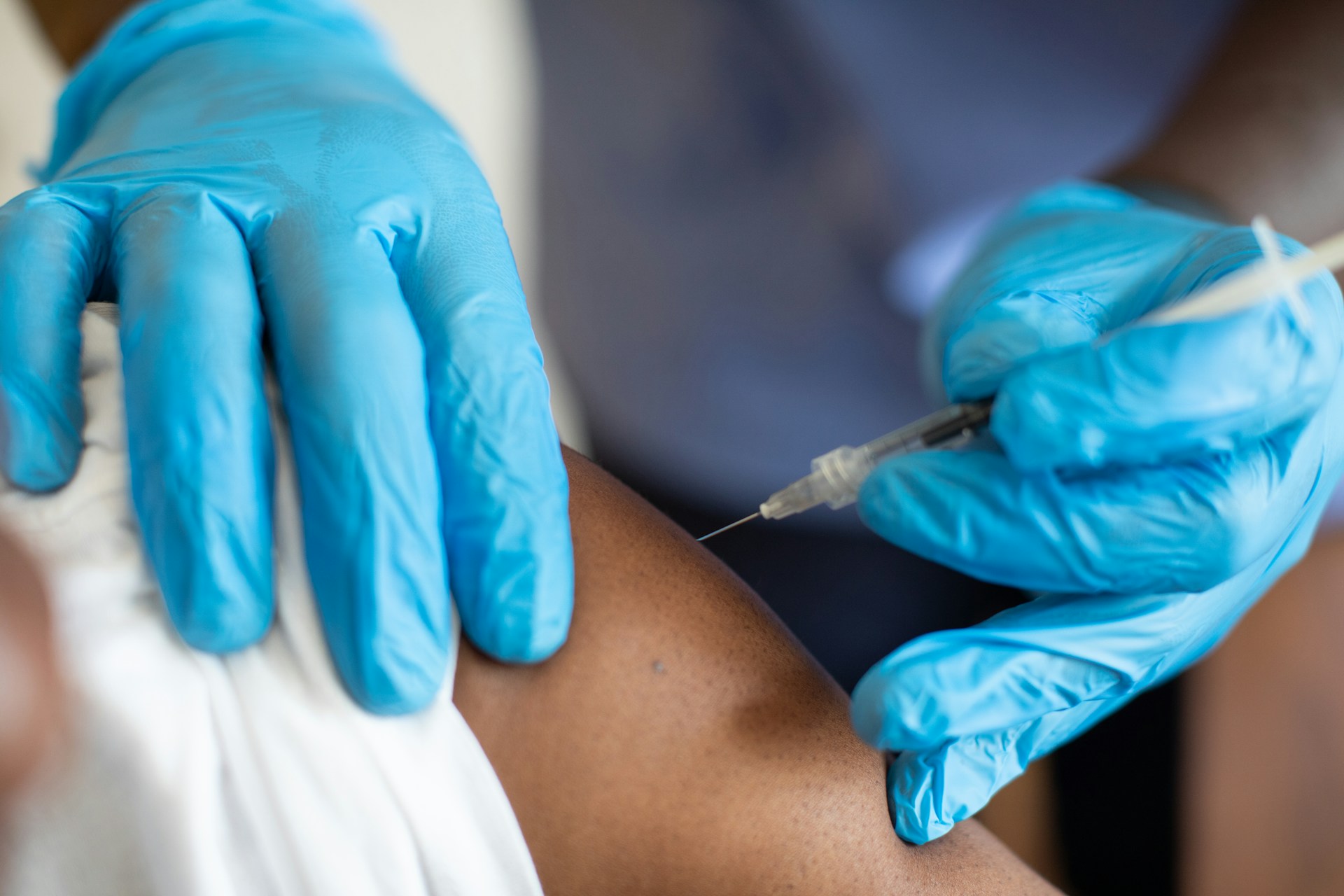
For decades, the fight against malaria in sub-Saharan Africa was a battle of attrition, fought with insecticide-treated nets, indoor spraying, and reactive medications. While these tools saved millions, the goal of a preventative vaccine remained one of the most elusive prizes in medical science. The malaria parasite, Plasmodium falciparum, is notoriously complex, capable of altering its surface proteins to evade the human immune system.
Today, that paradigm has shifted. The introduction of the first clinically approved malaria vaccines marks a turning point in global health that will likely redefine child survival rates across the African continent. As a physician and journalist, I have followed the trajectory of these clinical trials with a mixture of caution and hope. The data now confirms what we had long prayed for: a scalable, effective way to prevent severe malaria in the most vulnerable populations.
The deployment of these vaccines is not merely a scientific achievement; We see a humanitarian imperative. With malaria still claiming the lives of hundreds of thousands of children under the age of five every year, the integration of a malaria vaccine into routine childhood immunization programs is expected to cause a precipitous drop in child mortality. By targeting the parasite before it can establish a systemic infection, these vaccines provide a critical layer of protection that complements existing prevention strategies.
This breakthrough is the result of decades of international collaboration, funding from organizations like Gavi, the Vaccine Alliance, and the rigorous oversight of the World Health Organization (WHO). As we move from pilot programs to mass rollout, the focus now shifts from “does it work” to “how quickly can we get it to every child who needs it.”
The Dual-Vaccine Strategy: RTS,S and R21/Matrix-M
The global strategy to combat pediatric malaria now rests on two primary vaccines: RTS,S/AS01 and R21/Matrix-M. While they share the goal of reducing severe disease, they differ in their development and production scales, providing a necessary redundancy in the global supply chain.
The RTS,S/AS01 vaccine, often referred to as Mosquirix, was the first to receive a WHO recommendation in October 2021. Developed by GSK, it targets the circumsporozoite protein of the malaria parasite, attempting to stop the infection before it reaches the liver. According to the World Health Organization, the RTS,S vaccine is designed for use in children in areas with moderate to high transmission, and its rollout began through a large-scale pilot program in Ghana, Kenya, and Malawi.

However, the arrival of the R21/Matrix-M vaccine, developed by the University of Oxford and produced by the Serum Institute of India, has accelerated the timeline for mass immunization. Approved by the WHO in October 2023, R21 is not only highly effective but significantly easier and cheaper to manufacture at scale. The WHO recommendation for R21 highlights its potential to fill the supply gap left by the more limited production capacity of RTS,S, potentially providing tens of millions of doses annually.
From a clinical perspective, the efficacy of these vaccines is measured by their ability to prevent “severe malaria”—the form of the disease that leads to cerebral malaria, severe anemia, and death. While neither vaccine provides 100% sterile immunity, the reduction in severe cases is the primary metric for success. When delivered as part of a four-dose schedule, these vaccines significantly lower the risk of hospitalization and death in infants and toddlers.
Quantifying the Impact on Child Mortality in Africa
To understand why these vaccines are revolutionary, one must look at the staggering burden of malaria on pediatric health. For years, the statistics have remained stubbornly high. According to the World Malaria Report 2023, there were an estimated 249 million malaria cases globally in 2022, with the African Region carrying a disproportionate share of the burden—approximately 95% of all malaria cases and 96% of malaria deaths.
Children under five are the most vulnerable group. The lack of acquired immunity in early childhood makes them susceptible to rapid disease progression. In high-transmission settings, a child may be infected multiple times a year, leading to chronic anemia and developmental delays, or a single severe episode that proves fatal. The introduction of the malaria vaccine child mortality Africa strategy aims to break this cycle.

Mathematical modeling and pilot data suggest that the widespread implementation of these vaccines could save tens of thousands of young lives annually. By reducing the incidence of severe malaria by roughly 30% to 40% in vaccinated cohorts, the cumulative effect across millions of children is profound. This is not just about preventing a single illness; it is about ensuring that a generation of children survives the first five years of life to enter school and contribute to their communities.
the economic impact is substantial. Malaria is a “disease of poverty” that also creates poverty. The cost of treating severe malaria—including hospitalizations and long-term care for neurological sequelae—places an immense burden on fragile healthcare systems and impoverished families. By shifting the focus to prevention, governments can reallocate resources toward other critical health interventions.
Overcoming the Logistics of the ‘Last Mile’
As a physician, I know that a vaccine is only as effective as the system that delivers it. The challenge of the “last mile”—getting the vaccine from a central warehouse in a capital city to a remote village clinic—is the most significant hurdle facing the rollout in sub-Saharan Africa.
The malaria vaccines require a stringent “cold chain,” meaning they must be kept at specific refrigerated temperatures from the point of manufacture to the point of injection. In regions with unreliable electricity and extreme heat, maintaining this chain is a logistical nightmare. However, the Gavi, the Vaccine Alliance is investing heavily in solar-powered refrigeration and improved supply chain tracking to ensure that doses do not spoil before they reach the children.
Beyond the hardware, there is the challenge of human resources. Administering a four-dose series requires multiple visits to a clinic, which can be difficult for families living in rural areas or those facing food insecurity. Healthcare workers must be trained not only in the administration of the vaccine but also in communicating its benefits to parents who may be skeptical or overwhelmed by the number of childhood immunizations required.
There is also the risk of “vaccine fatigue” or complacency. Public health officials are working hard to ensure that the introduction of the vaccine does not lead to a decline in the use of other preventative measures. The message is clear: the vaccine is a powerful new tool, but it is not a replacement for the bed net.
Integrating Vaccines into a Comprehensive Prevention Strategy
One of the most critical points I emphasize to my colleagues and the public is that the malaria vaccine is not a “silver bullet.” In medicine, we rarely rely on a single intervention for a complex disease. The most effective way to lower child mortality is through a “layered” approach to prevention.
- Insecticide-Treated Nets (ITNs): These remain the gold standard for preventing nighttime bites from Anopheles mosquitoes.
- Seasonal Malaria Chemoprevention (SMC): This involves administering antimalarial drugs to children during the peak transmission season (the rainy season) to prevent infection.
- Indoor Residual Spraying (IRS): Coating the walls of homes with insecticides to kill mosquitoes that land and rest.
- Case Management: Rapid diagnostic tests (RDTs) and artemisinin-based combination therapies (ACTs) to treat infections quickly before they become severe.
When a child is vaccinated, sleeps under an ITN, and receives SMC during the rainy season, the probability of surviving to adulthood increases exponentially. The vaccine provides the primary biological shield, while the other tools manage the environmental risk. This synergy is what will ultimately drive the death rate toward zero.
The integration of these tools also allows for better surveillance. As children enter clinics for their vaccine doses, healthcare providers have an opportunity to screen for malnutrition, provide other essential vaccines, and educate parents on the early warning signs of malaria, such as high fever or lethargy, which require immediate medical attention.
The Path Forward: Scaling and Sustainability
The transition from the RTS,S pilot phase to the mass rollout of R21 represents a shift toward sustainability. Because R21 can be produced in larger quantities and at a lower cost per dose, it allows African nations to integrate malaria vaccination into their own national health budgets over time, reducing long-term dependence on foreign aid.
The next few years will be critical. We will be watching for “real-world” effectiveness data—how the vaccine performs across diverse genetic populations and in varying environmental conditions. We will also monitor the parasite for any signs of vaccine-induced evolutionary pressure, though current evidence suggests the risk of the parasite “escaping” the vaccine is manageable.
From a policy perspective, the goal is universal coverage in high-burden areas. This requires not only funding but political will. The commitment of African heads of state to prioritize malaria eradication is essential for the success of these immunization campaigns.
As we look toward the future, the success of the malaria vaccine serves as a blueprint for other neglected tropical diseases. It proves that with sustained investment and international cooperation, we can tackle the most stubborn pathologies affecting the global south. The reduction of child mortality in Africa is not just a statistical goal; it is the restoration of the most basic human right—the right to survive childhood.
The next major checkpoint for the global community will be the 2025 WHO malaria surveillance updates, which will provide the first comprehensive data on the impact of the wide-scale R21 rollout on hospital admission rates. This data will be pivotal in refining dosing schedules and targeting the most high-risk regions.
Do you believe global health priorities are shifting enough to ensure these vaccines reach the most remote areas? I invite you to share your thoughts in the comments below and share this article to raise awareness about this life-saving innovation.