
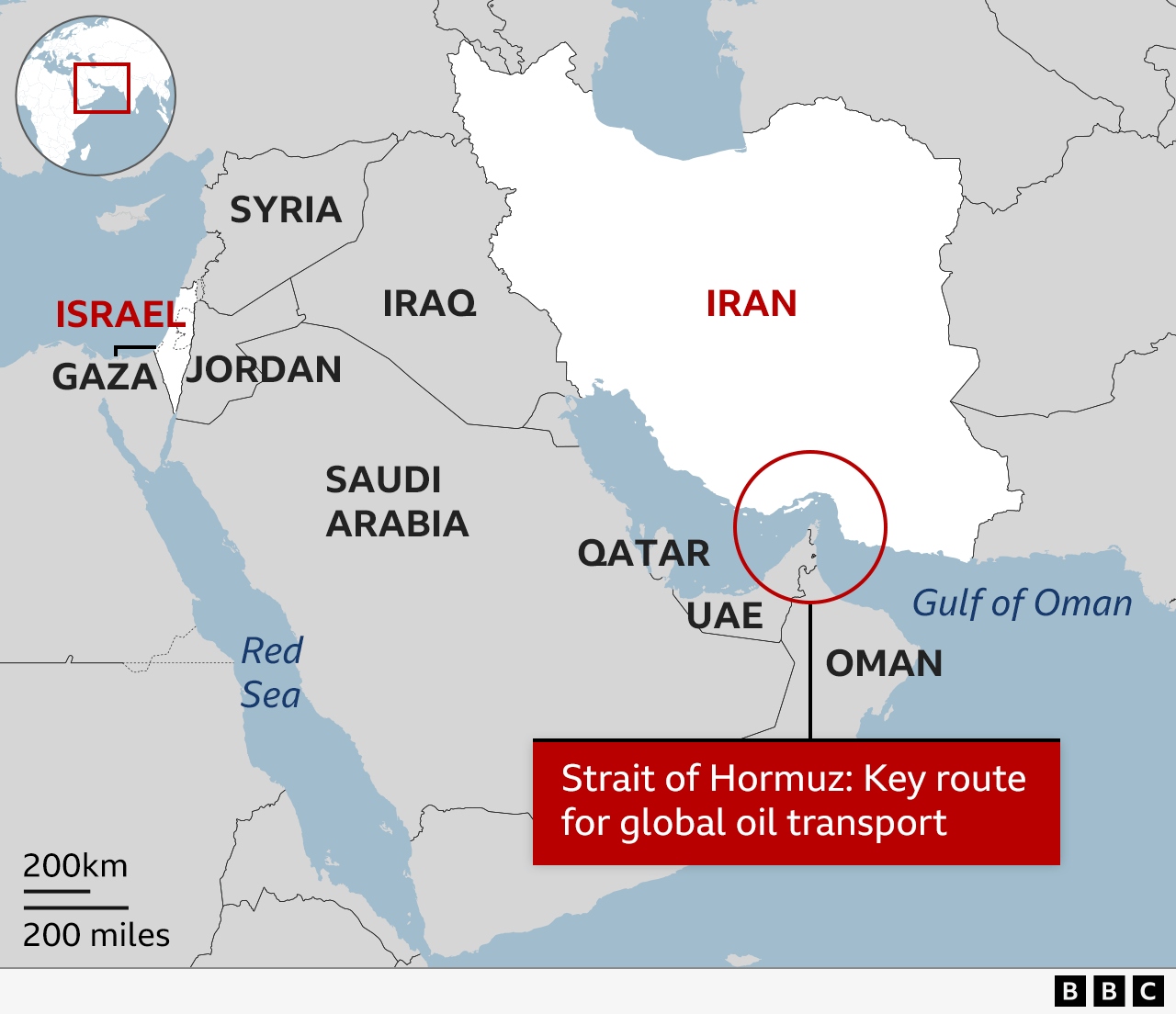
For decades, the global conversation surrounding the Strait of Hormuz has been dominated by the flow of crude oil and the volatility of energy markets. However, a new strategic friction point is emerging beneath the waves. Recent proposals from within Iran suggest that the Islamic Republic should begin collecting usage fees from the submarine cables that traverse the narrow waterway, signaling a shift in how Tehran views its maritime leverage in the digital age.
The proposal, highlighted in reports from Iranian state-affiliated media, suggests that the Strait of Hormuz should be transformed into a strategic center for creating “legitimate wealth” through the monetization of digital infrastructure. By treating the submarine cables—the physical backbone of the global internet—as taxable assets or leased infrastructure, Iran seeks to expand its economic influence over one of the world’s most critical maritime choke points.
As Chief Editor of Business at World Today Journal, I have tracked the intersection of geopolitics and infrastructure for nearly two decades. This move is not merely about revenue; it is about the assertion of sovereignty over the “digital silk road.” While the world focuses on tankers and naval patrols, the underlying data cables carrying trillions of dollars in financial transactions and diplomatic communications are becoming the new frontier of geopolitical bargaining.
The Shift from Energy Security to Digital Leverage
The Strait of Hormuz is the only sea passage from the Persian Gulf to the open ocean, making it indispensable for global trade. While the focus has traditionally been on the International Energy Agency’s data regarding oil transit, the region is equally vital for telecommunications. Submarine cables connect Asia, Europe, and Africa, and many of these lines pass through or near Iranian territorial waters.
The current push to implement usage fees reflects a broader Iranian strategy to leverage its geography. According to reports from Fars News Agency, an outlet closely linked to the Islamic Revolutionary Guard Corps (IRGC), such measures are viewed as a way to convert strategic location into a sustainable economic stream. This approach mirrors how some nations manage canal tolls or port fees, but applying this logic to the invisible infrastructure of the internet introduces significant legal and technical complexities.
For global tech giants and telecommunications providers, the prospect of “digital tolls” in the Strait of Hormuz introduces a new layer of operational risk. The cost of maintaining these cables is already high, and the introduction of state-mandated fees could disrupt the pricing models of international bandwidth providers and increase the cost of connectivity for end-users in the region.
Legal Ambiguity and Maritime Sovereignty
The legality of charging fees for submarine cables depends heavily on the interpretation of maritime law. A central point of contention is the United Nations Convention on the Law of the Sea (UNCLOS), which defines the rights of “transit passage” through international straits. Under UNCLOS, ships and cables generally enjoy freedom of navigation and installation in specific zones.
However, Iran is not a party to UNCLOS, having signed but not ratified the treaty. This creates a legal vacuum that Tehran often utilizes to assert a more restrictive interpretation of its territorial waters. By claiming that cables passing through its jurisdiction are subject to national law, Iran can argue that the “right of passage” is not absolute and can be conditioned upon payment or official permits.
This legal posture is part of a broader effort to establish a “new legal regime” in the Strait. By challenging established international norms, Iran aims to force global powers—including the United States and the European Union—to negotiate terms of access that recognize Iranian authority over the waterway’s seabed.
Who Is Affected by Digital Transit Fees?
If Iran successfully implements a fee structure for submarine cables, the impact will ripple across several sectors of the global economy:
- Telecommunications Providers: Companies that own and operate the cables would face direct costs, which would likely be passed down to corporate and retail clients.
- Financial Institutions: High-frequency trading and global banking rely on the lowest possible latency. Any disruption or regulatory hurdle in the Strait of Hormuz could affect the speed and reliability of financial data transmission between Asian and European markets.
- Cloud Service Providers: The seamless movement of data between data centers in the Middle East and beyond is essential for the operation of cloud computing services.
- Regional Governments: Neighboring Gulf states may find themselves caught between the need for connectivity and the pressure to adhere to a new Iranian-led regulatory framework.
The strategic importance of this infrastructure is underscored by the fact that a significant portion of the world’s internet traffic is concentrated in a few narrow corridors. The Strait of Hormuz is one such corridor, making it a “single point of failure” for regional connectivity.
The Geopolitical Calculus: Data as a Weapon
Beyond the financial gain, the ability to charge fees implies the ability to monitor, control, or even disrupt the cables. In the world of intelligence and cybersecurity, the physical layer of the internet is the most vulnerable. The proposal to monetize these cables is a signal that Iran views the seabed as an extension of its national security perimeter.

This move coincides with increasing tensions over maritime boundaries and the presence of foreign naval forces in the Gulf. By framing the issue as one of “legitimate wealth” and “legal rights,” Tehran attempts to shift the narrative from one of military aggression to one of economic sovereignty. However, the international community is likely to view any attempt to “toll” the internet as a breach of the principle of the open sea.
From an economic perspective, this is a classic example of “rent-seeking” behavior, where a state attempts to obtain economic gain without reciprocating any productivity, simply by controlling a scarce resource—in this case, the geography of the seabed. For a country under heavy international sanctions, finding new, “legitimate” ways to generate hard currency is a high priority.
What Happens Next?
The proposal to charge fees for submarine cables is currently a strategic assertion rather than a codified law. However, the transition from rhetoric to policy often happens through “administrative friction”—the slowing of permits, the imposition of “security inspections,” or the sudden requirement for new licenses for cable repairs.
The global community will be watching for any official decrees from the Iranian government or the IRGC regarding maritime infrastructure. Simultaneously, cable consortia and the International Cable Protection Committee (ICPC) will likely increase their efforts to diversify routes, seeking alternatives that bypass the Strait of Hormuz to mitigate the risk of political extortion.
The next critical checkpoint will be the upcoming reviews of maritime security protocols by regional coalitions and the potential for new diplomatic frameworks regarding the “digital commons” in the Middle East. As the world becomes more dependent on the flow of bits rather than just barrels, the battle for the seabed in the Strait of Hormuz is only just beginning.
Do you believe the monetization of digital infrastructure in strategic waterways is a legitimate exercise of sovereignty or a threat to global connectivity? Share your thoughts in the comments below.