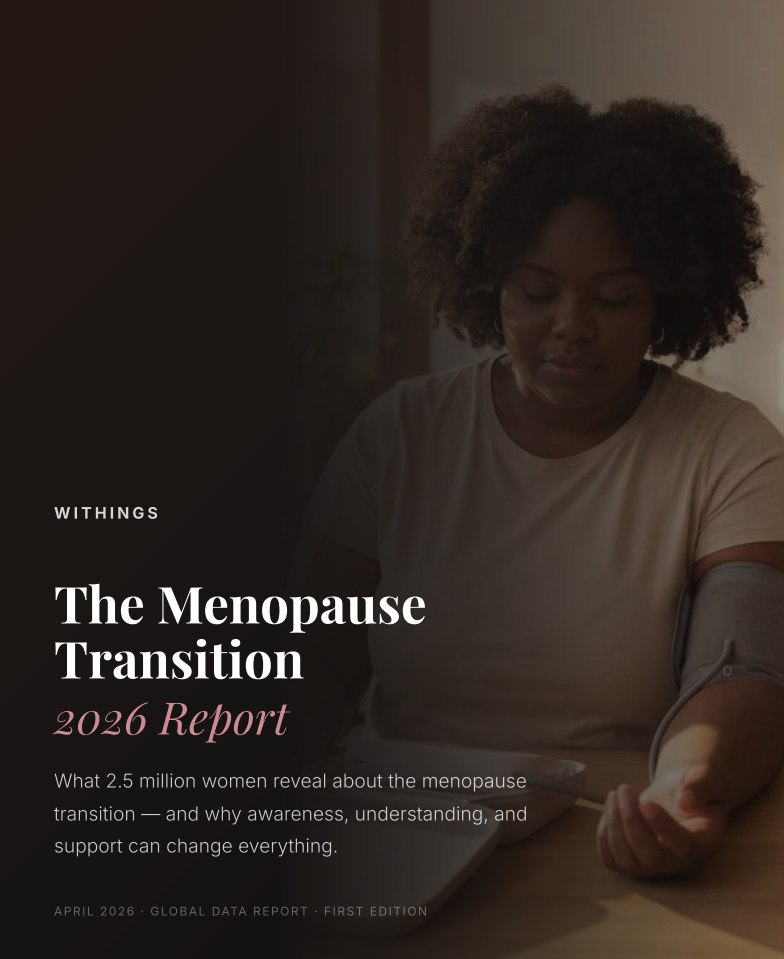
For decades, the medical community and the general public have framed menopause primarily as a reproductive milestone—the closing of a chapter in fertility. However, emerging large-scale data suggests that this perspective is incomplete. The transition is not merely a hormonal shift in the ovaries; it is a profound cardiovascular event that fundamentally alters a woman’s heart health profile.
A new comprehensive report, The Menopause Transition 2026, has analyzed real-world data from 2.5 million women across 11 countries to identify the precise physiological shifts that occur during this period. The findings indicate that as estrogen levels decline, women lose critical autonomic and vascular protections, leading to a gradual convergence of their cardiovascular risk profiles with those of men.
This shift is particularly acute during the years immediately following menopause. According to the report, the steepest acceleration in cardiovascular risk markers occurs between Stage 4 and Stage 5 of the reproductive aging process. This period represents a “critical window” where silent physiological changes can set the stage for future cardiac events if left unmonitored.
Aline Criton, Chief Regulatory and Clinical Affairs Officer at Withings, notes that these findings reframe menopause as a “critical window for cardiovascular awareness and earlier intervention” because many of these shifts occur silently and earlier than expected.
The AFib Signal: A Steep Trajectory of Risk
One of the most striking revelations in the data is the trajectory of Atrial Fibrillation (AFib), a common heart rhythm disorder that can increase the risk of stroke and heart failure. The report finds that AFib prevalence increases fourfold globally between a woman’s early reproductive years and late postmenopause. In the United States, this increase is approximately 3.8x. Atrial fibrillation is often characterized by an irregular and often rapid heart rate that can cause poor blood flow to the heart.
In the U.S. Cohort, AFib prevalence climbs from 1.86% in early reproductive years to 7.0% by late postmenopause. Globally, the rise is even more pronounced, reaching 10.5% by Stage 6 (late postmenopause). This acceleration is most sharp during the postmenopause window (Stages 5 and 6), the exact period when the cardioprotective effects of estrogen—which promotes vasodilation and maintains healthy lipid profiles—have been fully withdrawn.
While men in similar age brackets continue to show higher absolute rates of AFib, the report emphasizes that the female trajectory has been historically understudied. This lack of data has often left clinicians without the necessary benchmarks to identify risk in women until the condition is already advanced.
The HRV Paradox: Autonomic Resilience and Global Differences
The report also examines Heart Rate Variability (HRV), a key marker of autonomic resilience and the body’s ability to adapt to stress. Generally, a higher HRV is associated with better cardiovascular health and autonomic nervous system flexibility. Heart rate monitoring and variability analysis provide insights into how the heart responds to the autonomic nervous system’s signals.
Across the menopause stages, there is a significant global decline in autonomic adaptability. The median HRV dropped from 43 ms to 29 ms worldwide, representing a 33% loss of resilience. However, the data reveals a surprising “HRV Paradox” in the United States. Despite American women in the dataset reporting worse sleep scores and carrying higher body fat than the global average, their HRV decline was significantly lower, falling from 41 ms to 34 ms—a decline of only 17%.
This suggests that while U.S. Women may face higher traditional metabolic risks, their autonomic nervous systems maintain a higher level of resilience compared to women globally. Researchers suggest this discrepancy may be influenced by factors such as genetic diversity, healthcare access, or the prevalence of specific medication use, though these variables warrant further investigation.
Arterial Stiffness and the Silent Recognition Gap
Beyond heart rhythm and autonomic tone, the report highlights a progressive rise in arterial stiffness. Arterial stiffness, measured via Pulse Wave Velocity (PWV), rose by 27% across the transition, with measurements approaching established cardiovascular risk thresholds. This stiffening of the arteries makes the heart work harder to pump blood, increasing the risk of hypertension and other cardiac complications.

Perhaps the most concerning finding is the “Recognition Gap.” The data shows that 44.5% of women do not declare perimenopause in-app until age 50 or older. This is critical because measurable physiological changes begin a decade earlier, typically in a woman’s early 40s. These early warning signs include:
- Rising Visceral Fat: An average increase of 18% in fat stored around the internal organs.
- Systolic Blood Pressure: An average increase of 1.8 mmHg.
Because these changes occur silently, many women and their providers miss the opportunity for early intervention. The report suggests that tracking blood pressure trajectories and body composition over time—rather than relying on a single, static reading—can help identify these trends years before a clinical event occurs.
The Path to Early Intervention
The overarching message of the report is one of empowerment through awareness. Nearly 70% of cardiovascular risk factors associated with menopause are modifiable through lifestyle interventions. This means that the “critical window” is also an opportunity for prevention.
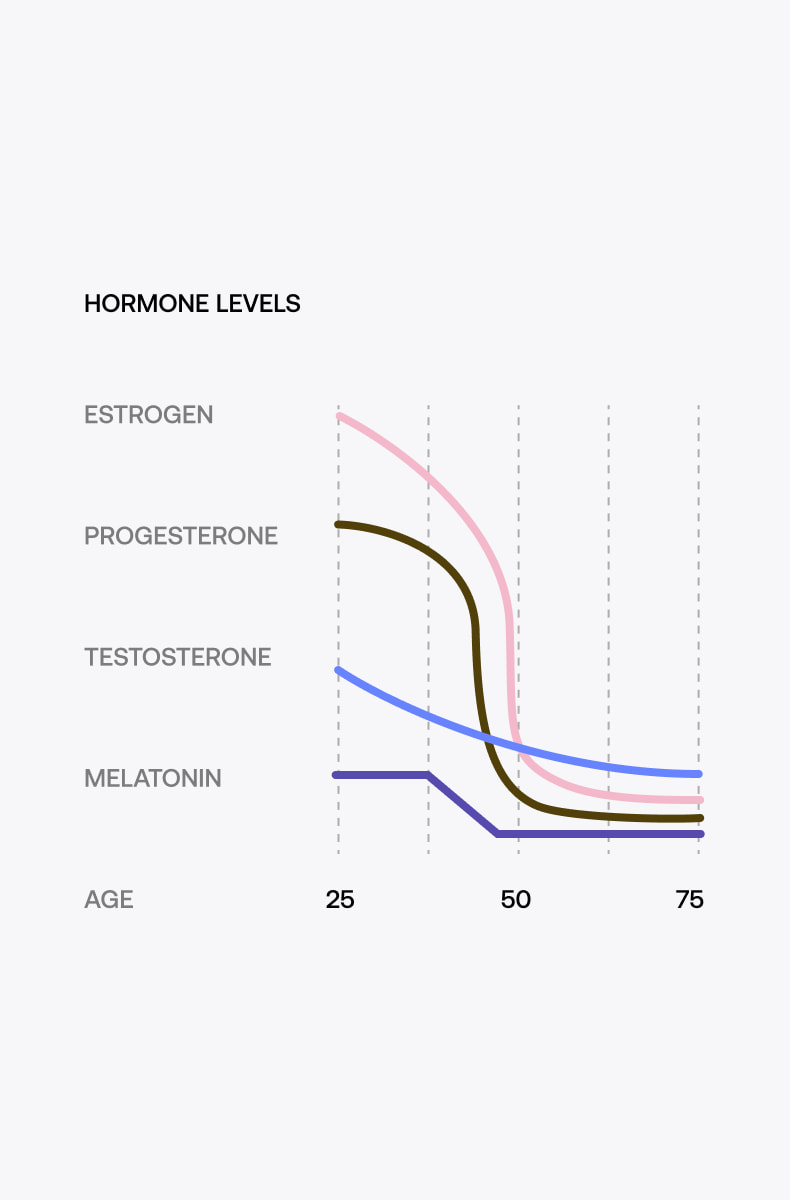
Medical experts suggest that targeting specific modifiable risks can mitigate the loss of estrogen’s protection. Resistance training, for example, is highlighted as a key tool to combat muscle loss and the inward shift of fat (visceral fat) that occurs during the transition. By integrating cardiovascular monitoring with lifestyle changes, women can actively manage their risk profile as they move through the reproductive stages.
Understanding the Stages of Transition
To provide a framework for these findings, the report utilized age-based proxies inspired by the STRAW+10 (Stages of Reproductive Aging Workshop) criteria. While not clinically confirmed for every individual in the dataset, these stages help map the progression of risk:
- Stage 1 (30–39): Early Reproductive
- Stage 2 (40–44): Late Reproductive (Where physiological changes often begin)
- Stage 3 (45–49): Perimenopause
- Stage 4 (50–52): Menopause
- Stage 5 (53–59): Early Postmenopause (The period of steepest risk acceleration)
- Stage 6 (60–65): Late Postmenopause
this was a cross-sectional analysis of connected device users between January 2025 and March 2026. As such, the findings represent between-cohort differences rather than individual trajectories and may be subject to user selection bias.
For those navigating this transition, the next step is establishing a cardiovascular baseline. Discussing these metrics—specifically blood pressure trends, body composition, and heart rhythm—with a healthcare provider in the early 40s can transform menopause from a period of silent risk into a window of proactive health management.
Do you track your cardiovascular health during the menopause transition? Share your experiences or questions in the comments below.