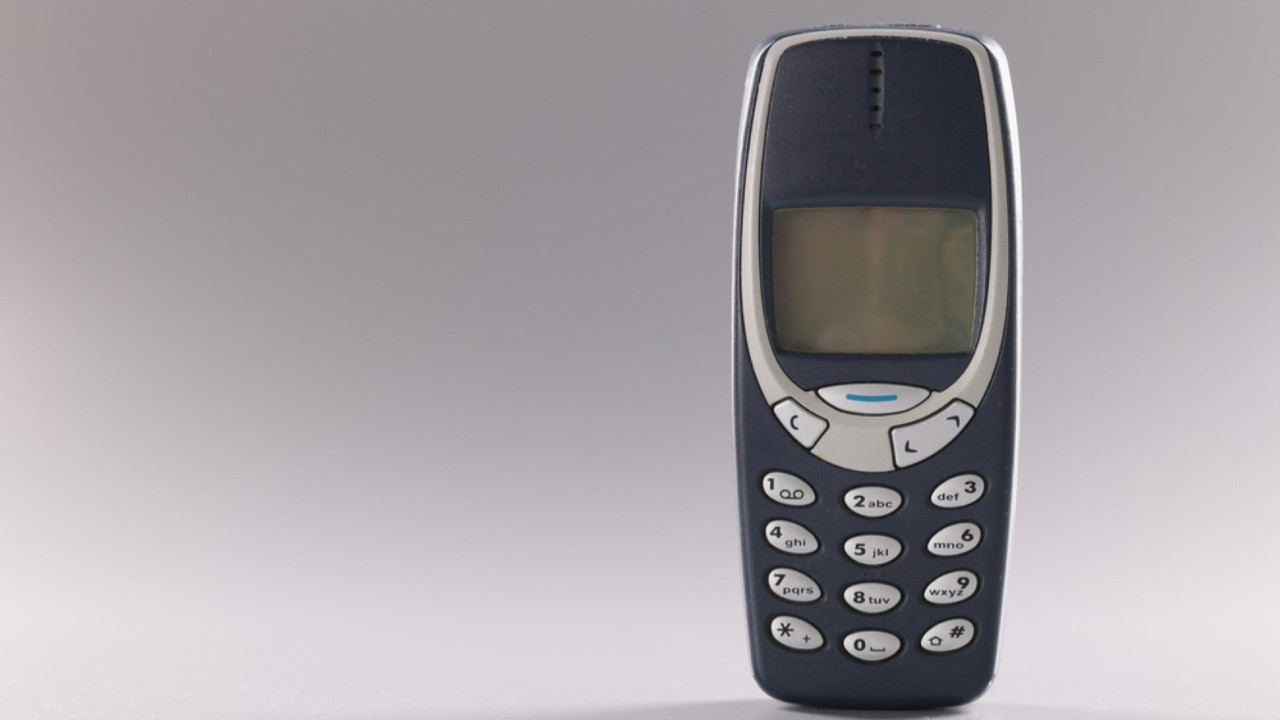
It is a scenario that plays out in attics and garages across the globe: a family decides to clear out old storage, tossing decades of “clutter” into a dumpster, only to realize later that they have discarded a small fortune. From early silicon valley prototypes to rare minting errors in common currency, the line between household junk and a high-value asset is often thinner than most people realize.
This phenomenon is driven by the “nostalgia economy,” where items that were once mass-produced for a specific generation become scarce as time passes and collectors seek to reclaim a piece of their youth. For those of us in the technology sector, this is particularly fascinating; we see the evolution of hardware not just as a progression of speed and efficiency, but as a cultural archive where a primitive motherboard can eventually command a price higher than a modern luxury vehicle.
Identifying valuable items to keep requires a combination of research, an eye for condition, and an understanding of market demand. While not every old gadget or coin is a goldmine, certain categories of collectibles have seen an exponential rise in value over the last decade, transforming ordinary hobbies into legitimate alternative investment strategies.
Whether you are auditing your basement or inheriting a relative’s estate, knowing what to preserve can mean the difference between a trip to the landfill and a significant financial windfall. Below, we explore the primary categories of hidden treasures and the professional steps required to verify their worth.
The Digital Goldmine: Vintage Electronics and Gaming
As a technology editor, I have watched the market for “retro-tech” evolve from a niche hobby into a high-stakes auction environment. The value in vintage electronics typically stems from two factors: extreme rarity (prototypes or limited runs) and “mint condition” preservation (original packaging and manuals).
Early personal computing hardware is currently among the most sought-after assets. For instance, the Apple I, the first computer designed by Steve Wozniak, is incredibly rare; when these units appear at auction, they often sell for hundreds of thousands of dollars due to their foundational role in the personal computer revolution. Even less rare items, such as early Macintosh models in their original boxes, have seen a steady increase in value as collectors seek “time capsule” sets.
The gaming sector follows a similar trajectory. “Sealed” games—those that have never been opened—are the holy grail for collectors. Rare titles for the Nintendo Entertainment System (NES) or the original Game Boy can fetch staggering sums if they are graded by professional services. The value is often tied to the “grade,” a numerical score reflecting the physical condition of the box and shrink-wrap. A game that might be worth $50 opened could be worth thousands if it is a high-grade, sealed copy.
Beyond consoles, early mobile technology is beginning to enter the collector’s sphere. The Motorola DynaTAC, often cited as the first handheld cellular phone, is becoming a symbol of 1980s corporate culture. While not every old “brick phone” is valuable, those in working order with original chargers and documentation are increasingly prized by tech historians and enthusiasts.
Numismatics: Rare Coins and Currency Errors
Currency is perhaps the most common place where people overlook significant value. Most people view coins simply as legal tender, but numismatists (coin collectors) look for anomalies. The most valuable coins are typically those with “minting errors”—mistakes made during the manufacturing process that resulted in a unique piece of currency.
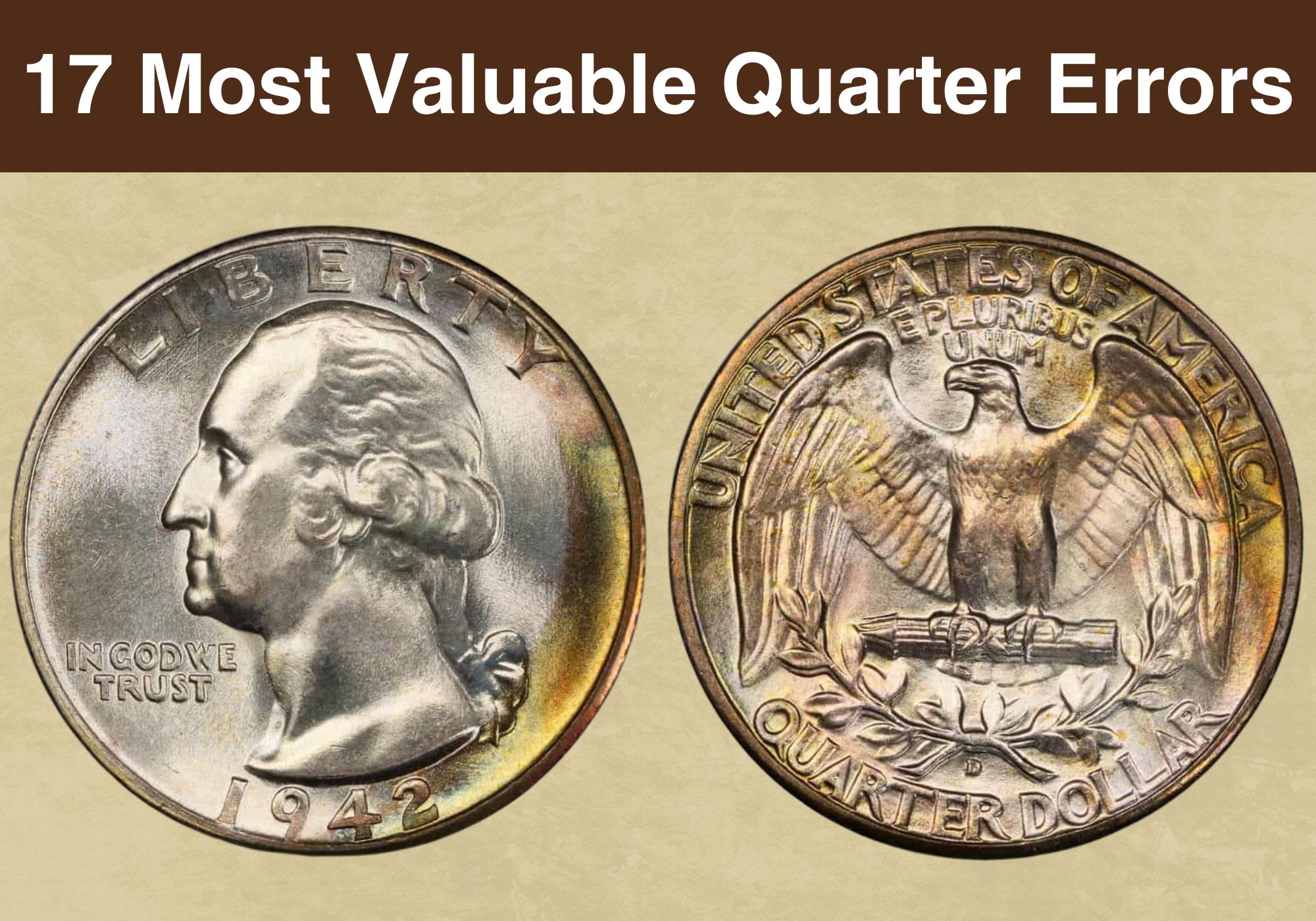
In the context of the Euro, collectors look for specific low-mintage coins from smaller member states or rare commemorative issues. For example, certain coins with “double strikes” or off-center alignments can be worth significantly more than their face value. According to guidelines from European Central Bank standards, while most coins are uniform, the rarity of specific year-date combinations in certain countries can drive prices up in the secondary market.
For those holding older currencies, such as the U.S. Dollar or the British Pound, the value often lies in “key dates”—years where the mint produced exceptionally few coins. A silver coin from a low-production year can be worth thousands of dollars, provided it hasn’t been cleaned or polished, as collectors prefer the original “patina” or natural aging of the metal.
Pop Culture Assets: Trading Cards and Comics
The market for trading cards and comic books has transitioned from a childhood pastime to a sophisticated asset class. This shift was accelerated by the rise of professional grading companies, which provide a standardized way to verify authenticity and condition.
Trading cards, particularly from the Pokémon and Magic: The Gathering franchises, have seen some of the most dramatic price spikes in recent history. First-edition holographic cards in pristine condition are the primary drivers of this market. When a card is certified by a grading service like PSA (Professional Sports Authenticator), it receives a numeric grade from 1 to 10. A “Gem Mint 10” card can sell for ten to one hundred times the price of a “Near Mint 9” card, highlighting how critical physical preservation is to financial value.
Comic books follow a similar logic. The “Golden Age” (1930s–1950s) and “Silver Age” (1956–1970) of comics are the most valuable. The debut appearance of a major superhero in a high-grade issue can reach millions of dollars at auction. However, the vast majority of old comics are not valuable; the value is concentrated in the first appearances of iconic characters and the absolute rarity of the physical copy.
How to Properly Value and Sell Your Finds
Finding a potentially valuable item is only the first step. The biggest mistake amateur sellers make is attempting to “clean” or “restore” an item to make it look better. In the world of high-end collectibles, original condition is everything. Using chemicals to clean a coin or attempting to tape a torn comic book page can instantly destroy 90% of the item’s market value.
To accurately determine the value of an item, follow these professional steps:
- Research Sold Listings: Do not look at “asking prices” on sites like eBay, as these are often unrealistic. Instead, filter by “Sold Items” to see what buyers are actually paying in real-time.
- Consult Professional Guides: Use established pricing guides for your specific category (e.g., the PCGS Price Guide for coins or the Overstreet Guide for comic books).
- Seek Professional Grading: For high-value cards, comics, or games, send the item to a recognized third-party grading service. A certified grade provides a “guarantee” of authenticity and condition that allows you to command a premium price.
- Choose the Right Venue: For items of moderate value, online marketplaces are efficient. For items potentially worth thousands, contact a reputable auction house. Auction houses provide expert appraisal and access to a global network of high-net-worth collectors.
Quick Reference: Collectibles Value Drivers
| Category | Primary Value Driver | Critical Warning |
|---|---|---|
| Vintage Tech | Original packaging/working condition | Do not open the chassis or attempt DIY repairs. |
| Rare Coins | Minting errors/low mintage years | NEVER clean or polish the coin. |
| Trading Cards | Professional grade (1-10 scale) | Keep in acid-free sleeves and top-loaders. |
| Comic Books | First appearances/paper quality | Store in UV-protected bags and boards. |
The pursuit of hidden treasures is more than just a financial gamble; it is an exercise in preserving history. As we move further into a digital-first world, the tangible artifacts of the 20th and early 21st centuries become increasingly precious. The next time you are tempted to clear out your attic, take a moment to look closer. That dusty old computer or a handful of strange coins might just be the most valuable things in the house.
For those interested in tracking the market, keep an eye on the upcoming quarterly reports from major auction houses, which typically highlight emerging trends in the collectibles market. We will continue to monitor how the rise of digital assets impacts the value of physical retro-tech.
Do you have a hidden treasure in your home, or a story about something you wish you hadn’t thrown away? Share your experiences in the comments below or share this guide with someone currently cleaning out their garage!
- Galaxy Watch 9 vs. Apple Watch Series 11: Fitness Flagships Compared
- O adeus de Nélson Évora? «É muito mau abandonar quando nos sentimos bem…!» – A Bola
- Uncontrollable Wildfires Sweep Across Europe: Thousands Evacuated in Spain and France (newsdirectory3.com)
- Murphy USA Gas at Walmart in Arkansas Sold Winning Powerball Ticket Worth $1.817 Billion (news-usa.today)