As the world prepares for the 2026 FIFA World Cup, law enforcement agencies in the Northeastern United States are launching an unprecedented security operation to protect millions of visiting fans. Central to this strategy is a New Jersey anti-trafficking push for 2026 World Cup crowds, designed to intercept criminal networks that frequently exploit the chaos and scale of global mega-events.
With matches scheduled for MetLife Stadium in East Rutherford, New Jersey, and nearby Philadelphia, authorities expect a massive influx of international travelers. This surge in population creates a high-risk environment where human traffickers—specializing in both sex and labor exploitation—may attempt to blend into the crowds to move victims or recruit new ones.
The effort is a joint operation between the FBI and the New Jersey State Police, focusing on a coordinated, multi-agency response. Officials have warned that the nature of the World Cup presents unique challenges compared to single-day events, requiring a sustained security presence across multiple weeks and various jurisdictions.
A Specialized Task Force for High-Stakes Security
To manage the complexity of the event, a dedicated 50-member task force has been established. This group is tasked with the identification and apprehension of not only the traffickers themselves but also the solicitors who fuel the demand for exploited labor and commercial sex. According to Lt. Col. David Sierotowicz of the New Jersey State Police, the mission extends beyond arrests to include the critical recovery of victims.
“We’re all working not just to arrest the traffickers or identify the traffickers but also the solicitors as well as our victims,” Lt. Col. Sierotowicz explained.
The scale of this operation is viewed as historically significant for the region. Lt. Col. Sierotowicz characterized the event as “completely unprecedented” from a safety and security perspective, noting that the sheer volume of people and the international profile of the tournament increase the potential for criminal opportunism.
The task force’s approach is rooted in long-term strategic planning. Authorities revealed that preparations for this specific anti-trafficking operation began nearly three years ago, ensuring that intelligence-gathering and inter-agency communication channels were established well before the first whistle blows.
Targeting High-Risk Zones and Implementing Bilingual Outreach
Law enforcement has identified specific “areas of concern” where traffickers are most likely to operate. These include transportation hubs, hospitality centers, and nightlife districts. The joint public awareness campaign will focus heavily on:
- Hotels and motels
- Rest stops along major highways
- Entertainment districts and tourist hotspots
Recognizing that the World Cup attracts a global audience speaking dozens of different languages, the FBI and New Jersey State Police are implementing bilingual outreach. This ensures that both visiting fans and local residents can recognize the signs of trafficking and know how to report them regardless of their native tongue.
Stefanie Roddy of the FBI’s Newark Field Office emphasized that the duration of the tournament makes it more complex than a one-off event like the Super Bowl. The constant movement of people across state lines and the prolonged stay of international visitors provide more opportunities for traffickers to operate undetected.
Operational Command and Public Vigilance
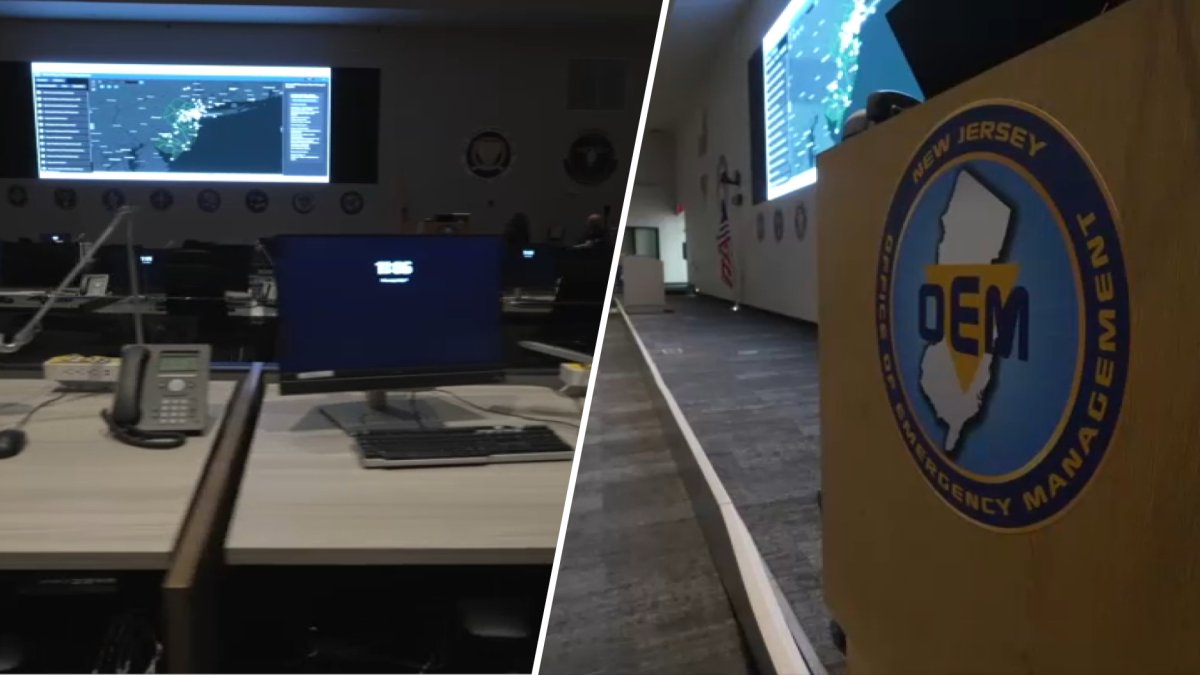
The logistical heart of the operation will be an area command center located in Ewing Township. From this hub, the New Jersey State Police and their partners will monitor activity in real-time, tracking the movement of crowds and coordinating responses across New Jersey and neighboring states.

While law enforcement is deploying significant resources, officials are stressing that public cooperation is essential. Because traffickers often try to hide in plain sight, authorities are urging the public to trust their instincts and report any suspicious behavior immediately.
“We need everybody out there looking around. If it doesn’t not feel right to you, it is probably not and that is something that Try to be reporting,” said Stefanie Roddy. “It could happen right in front of you, and we want people to have that on, the tip of their tongue or in their phone.”
The goal is to create a “culture of awareness” where the collective eyes and ears of the public act as a force multiplier for the 50-member task force. Officials believe that staying ahead of criminals requires a combination of high-tech monitoring from the Ewing Township center and grassroots reporting from the street level.
Understanding the Risk: Why Mega-Events Attract Traffickers
Human trafficking often spikes during major international sporting events due to several converging factors. First, the massive influx of “transient populations”—people who are far from home and may lack local support systems—makes them vulnerable to labor exploitation or deception. Second, the surge in demand for short-term housing and hospitality services often leads to a proliferation of unregulated rentals, which can be used as clandestine sites for trafficking.
By focusing on “solicitors” as well as traffickers, the New Jersey and FBI operation aims to disrupt the economic incentive of the crime. Reducing the ability of buyers to access victims in hotels and entertainment districts is a key pillar of the current strategy.
How to Recognize and Report Trafficking
As part of the public awareness push, authorities encourage individuals to look for specific red flags that may indicate a person is being trafficked:

- Lack of Control: Individuals who are not in possession of their own passport, ID, or money.
- Coached Responses: People who seem to be reading from a script or who look to another person before answering simple questions.
- Signs of Abuse: Physical signs of neglect, malnutrition, or bruising, combined with an inability to leave their current location.
- Inappropriate Clothing: Individuals dressed inappropriately for the weather or the setting, often under the control of a “handler.”
For those who suspect trafficking activity, the National Human Trafficking Hotline provides a confidential way to report tips and seek help for victims. Local authorities also urge the use of emergency services for immediate threats.
The upcoming World Cup represents a massive economic opportunity for the region, but as the New Jersey anti-trafficking push for 2026 World Cup demonstrates, that opportunity comes with significant security obligations. The coordination between the FBI and state police serves as a blueprint for how cities can protect vulnerable populations during periods of extreme global visibility.
Further updates on security protocols and public safety advisories are expected as the tournament date approaches. Fans are encouraged to monitor official government channels for the latest safety guidance.
Do you have thoughts on the security measures being taken for the 2026 World Cup? Share your views in the comments below or share this article to help spread awareness about anti-trafficking efforts.
Worth a look