
Lebanon’s political leadership, headed by President Joseph Aoun, has issued a formal commitment to pursue all available diplomatic and strategic avenues to de-escalate the ongoing conflict with Israel. As the region navigates a fragile period following the 2024 ceasefire agreement, President Aoun’s administration is positioning itself at the center of efforts to stabilize a nation still reeling from the impacts of prolonged hostilities and internal instability.
The pledge to do “the impossible” to halt the war underscores the precarious position of the Lebanese state, which currently faces the dual challenges of managing external military pressure and internal security mandates. Joseph Aoun, who transitioned to the presidency in 2025 following a distinguished tenure as the commander of the Lebanese Armed Forces from 2017 to 2025, remains a pivotal figure in the country’s attempt to restore sovereignty and order, according to Encyclopaedia Britannica’s biographical records.
A Presidency Defined by Crisis
The ascent of Joseph Aoun to the presidency has been marked by a transition from military leadership to the highest civilian office in the land. During his time as head of the Lebanese Armed Forces, Aoun was tasked with managing domestic unrest, most notably during the 2019 protests, where he oversaw the deployment of army units to maintain public security. His current role involves a complex balancing act: navigating the demands of a fractured political landscape while addressing the persistent threat of cross-border violence.
International observers and local stakeholders are closely monitoring how the administration intends to enforce national security. The presidency of Joseph Aoun follows the conclusion of the term held by Michel Aoun, who served as president from 2016 to 2022. The structural changes in Lebanon’s leadership come at a time when the nation is seeking to move beyond the political deadlock that characterized the previous decade, as detailed in the historical records of the Lebanese presidency.
The Security Landscape in Lebanon
The current security environment remains volatile. While a ceasefire agreement was established in late 2024, the subsequent months have seen continued friction and periodic escalations along the border. The Lebanese government’s primary challenge lies in asserting its authority across all territories, particularly in areas where non-state actors maintain a significant military presence. Analysts note that the efficacy of the state’s diplomatic efforts is inherently linked to its ability to manage these domestic security dynamics effectively.
The ongoing regional tensions involve multiple stakeholders, including various militant groups and international powers, each influencing the trajectory of the conflict. The Lebanese Armed Forces remain the primary institution tasked with implementing government policy on the ground, though they operate within a framework of limited resources and significant political pressure. The commitment from President Aoun to resolve the conflict serves as a signal to both the international community and the Lebanese public that the state is actively pursuing a resolution, despite the immense logistical and political hurdles involved.
Strategic Outlook and Next Steps
What happens next in Lebanon will likely depend on the success of ongoing back-channel negotiations and the adherence of all parties to the terms of the 2024 ceasefire. The administration’s focus remains on restoring calm to the southern regions and ensuring that the Lebanese state can provide a stable environment for its citizens. As of May 2026, the diplomatic path forward remains the stated priority for the government in Beirut.
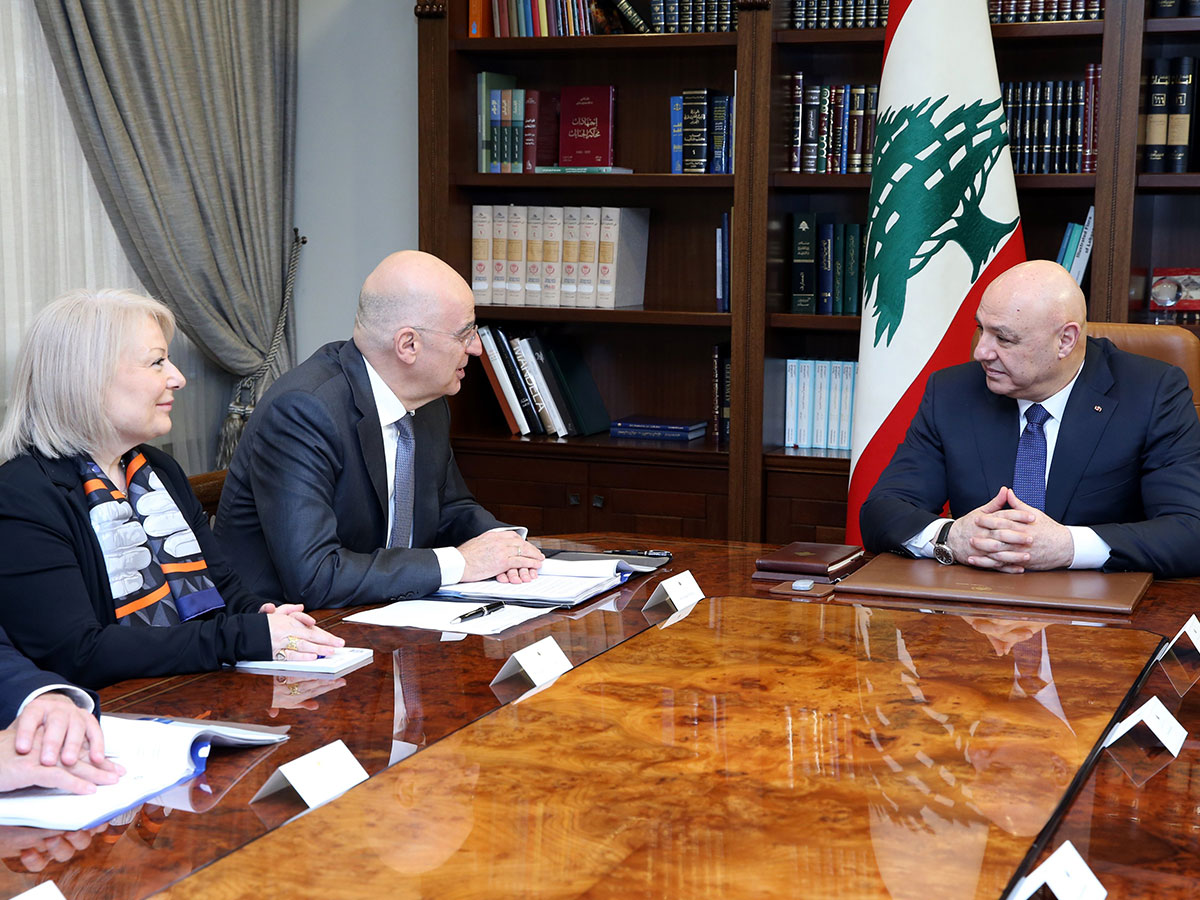
For those following these developments, official updates regarding the government’s security policy and diplomatic initiatives are expected to be released through the Lebanese Presidency’s channels as the situation evolves. We invite our readers to share their perspectives on the role of regional diplomacy in the comments section below, and to continue following our coverage for further updates on the geopolitical situation in the Middle East.
Related reading
- UKHSA Estimates 2,877 Heat-Associated Deaths in England Following Record May and June Heatwaves
- Orenburg Willing to Facilitate Jordhy Thompson’s Exit, Reports Russia
- What Happens When You Stop Everything Bad for 7 Days? (world-today-news.com)
- Russian Strikes Kill 13 in Ukraine, Missile Hits Poland (newsdirectory3.com)