
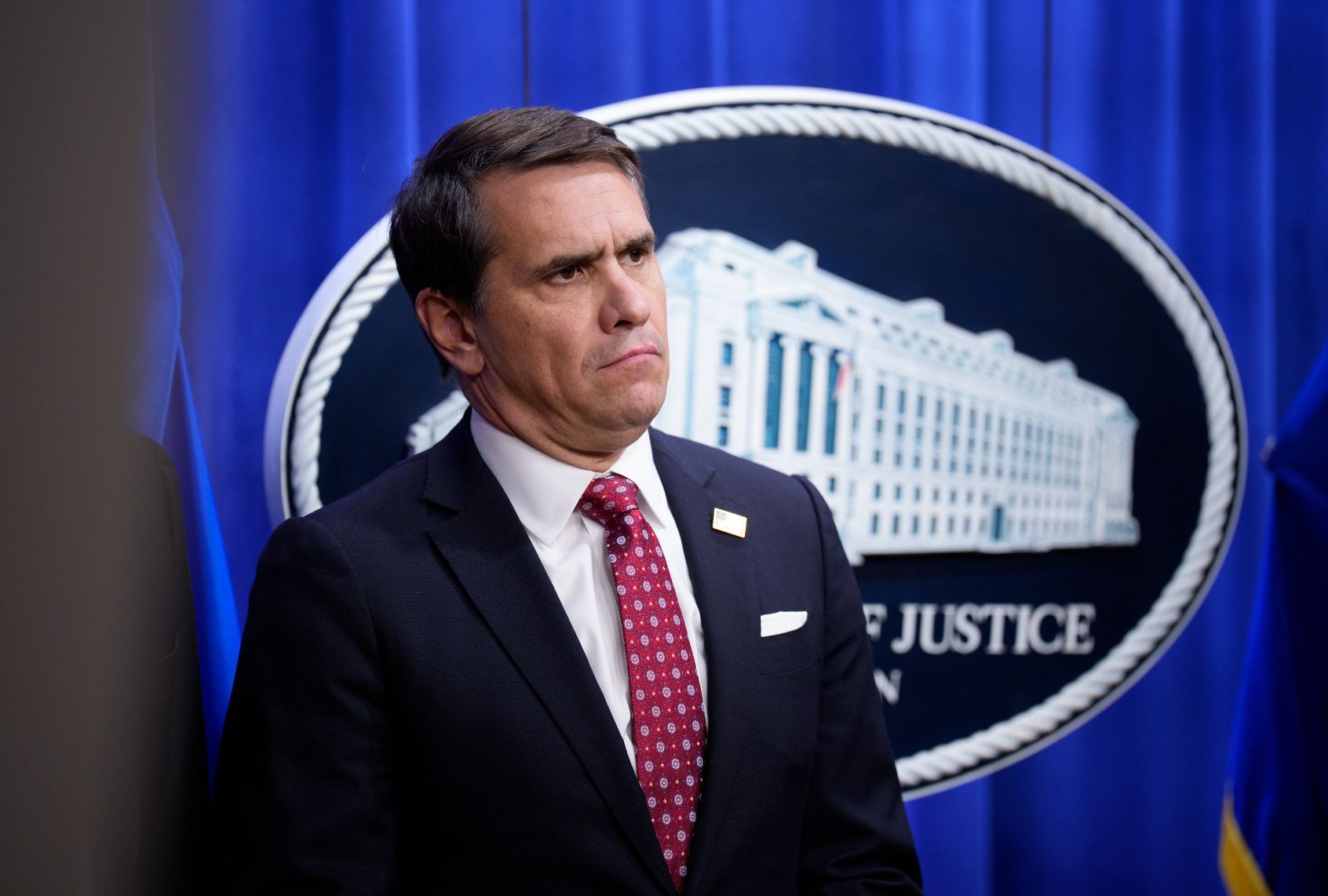
The transition period for a new administration often brings intense scrutiny to high-level appointments, and the Justice Department remains the centerpiece of this political focus. As discussions regarding the leadership of the U.S. Department of Justice continue, the role of Todd Blanche—longtime personal attorney to Donald Trump—has come under significant public and legal examination. The intersection of his private legal work and his prospective governmental responsibilities has sparked a debate among legal scholars and ethics experts regarding the boundaries of executive power and professional conflicts of interest.
At the core of the current discussion is the management of financial initiatives associated with the former president. The scrutiny centers on how an attorney, who has navigated complex litigation for a client, transitions into a role that requires the impartial administration of federal law. For observers of the American political landscape, the situation serves as a litmus test for how the incoming administration approaches the institutional norms of the Department of Justice, an agency tasked with maintaining the integrity of the federal legal system as outlined in the Department of Justice Mission Statement.
Legal Ethics and Executive Appointments
The appointment of legal counsel to high-ranking executive positions is not without precedent, yet the specific nature of Blanche’s previous representation of Donald Trump has introduced unique complexities. Critics and ethics watchdogs frequently point to the Justice Manual, which governs the conduct of department officials, as the standard against which these appointments should be measured. The manual emphasizes the necessity of avoiding even the appearance of impropriety, a principle that becomes increasingly difficult to navigate when an appointee has been deeply embedded in the personal legal affairs of the appointing authority.
The primary challenge for any prospective Attorney General or high-level DOJ official in this position is the requirement to recuse themselves from matters involving former clients. Legal experts often cite the Code of Federal Regulations (28 CFR § 45.2), which mandates disqualification of DOJ employees from participation in investigations or prosecutions if they have a personal or financial relationship with a person or entity involved in the matter. The question now being debated is whether the breadth of Blanche’s previous work would necessitate a wide-ranging recusal that could effectively sideline him from the most critical matters likely to face the department.
The Role of Financial Transparency
Financial accountability remains a critical pillar of governmental oversight. When funds are established to address legal costs or other claims, the transparency of those vehicles is subject to rigorous review by federal authorities, including the Federal Election Commission (FEC). The involvement of legal counsel in the creation or oversight of such funds often necessitates strict adherence to campaign finance laws and reporting requirements. Any deviation from these established protocols can result in civil or criminal penalties, underscoring the high stakes involved for those overseeing these financial structures.
For the public, the concern is often centered on the potential for commingling personal legal defense interests with the broader responsibilities of the executive branch. Historically, the Office of the Inspector General (OIG) at the Department of Justice has been the primary body tasked with investigating allegations of misconduct or conflicts of interest within the department. As the administration moves forward, the scrutiny from both internal oversight bodies and the public will likely center on whether the financial arrangements established under the guidance of legal advisors meet the stringent disclosure requirements mandated by federal law.
Navigating the Confirmation Process
The path to confirmation for any high-level Justice Department role involves a thorough vetting process by the United States Senate. During this phase, nominees are subjected to public hearings where their past legal work, ethical decisions, and professional history are examined by the Senate Judiciary Committee. This process is designed to ensure that the individual is fit for office and understands the gravity of the position.
Historically, the Senate Judiciary Committee has utilized these hearings to probe into potential conflicts of interest, particularly for those who have served as private counsel for the president. The committee’s role is to act as a check on executive power, ensuring that the Department of Justice remains insulated from political influence. For a nominee like Blanche, the hearings would likely focus on his commitment to the independence of the Justice Department, as well as his willingness to defer to career prosecutors and adhere to established departmental regulations.
Looking Ahead: The Next Steps
As of May 2026, the administration continues to finalize its appointments and policy priorities. The next confirmed checkpoint in this process will be the scheduling of formal confirmation hearings, where the nominee will be required to provide testimony under oath regarding his qualifications and his approach to the duties of the office. These hearings, which will be accessible to the public, will provide the most comprehensive look at how the nominee intends to address the concerns raised by his previous legal work.
For those interested in the official record, the Congress.gov database serves as the primary resource for tracking nominations, hearing transcripts, and legislative actions related to Department of Justice appointments. We will continue to monitor these official filings and provide updates as they become available. We invite our readers to join the discussion in the comments section below regarding the evolving role of the Justice Department in modern American politics.
Keep reading
- Mark Halperin Accuses Mainstream Media of Covering Up Fauci’s ‘Obsession with Fame’ in COVID Diaries
- Controversy Over Special Prosecutor’s Power to Withdraw Indictments: Jung Chung-rae and Song Young-gil Clash on Strategy
- Trump Unveils $22.5 Billion Plan to Overhaul Dulles Airport Facilities (time.news)
- The Senate Blue Slip, Explained: The Custom Trump Wants Gone (daybreakwire.com)