
The Ganga, a river of profound religious, cultural, and economic significance to India, is witnessing a period of environmental transition. Recent efforts under the Namami Gange program have sought to address persistent challenges regarding water quality across the river’s extensive basin, including critical stretches in West Bengal. As the government continues to invest in municipal wastewater infrastructure, the focus remains on mitigating the impacts of urbanization and industrialization that have historically compromised the river’s ecological health.
For millions residing along the riverbanks, the Ganga is more than a geographic landmark. We see a vital source of water and livelihoods. Recognizing this, the National Mission for Clean Ganga (NMCG) has prioritized the modernization of sanitation systems to reduce the volume of untreated waste entering the river system. These initiatives are part of a broader, long-term strategy to ensure the sustainability of the river basin, which supports a significant portion of the nation’s population and economic output.
Addressing the Infrastructure Gap
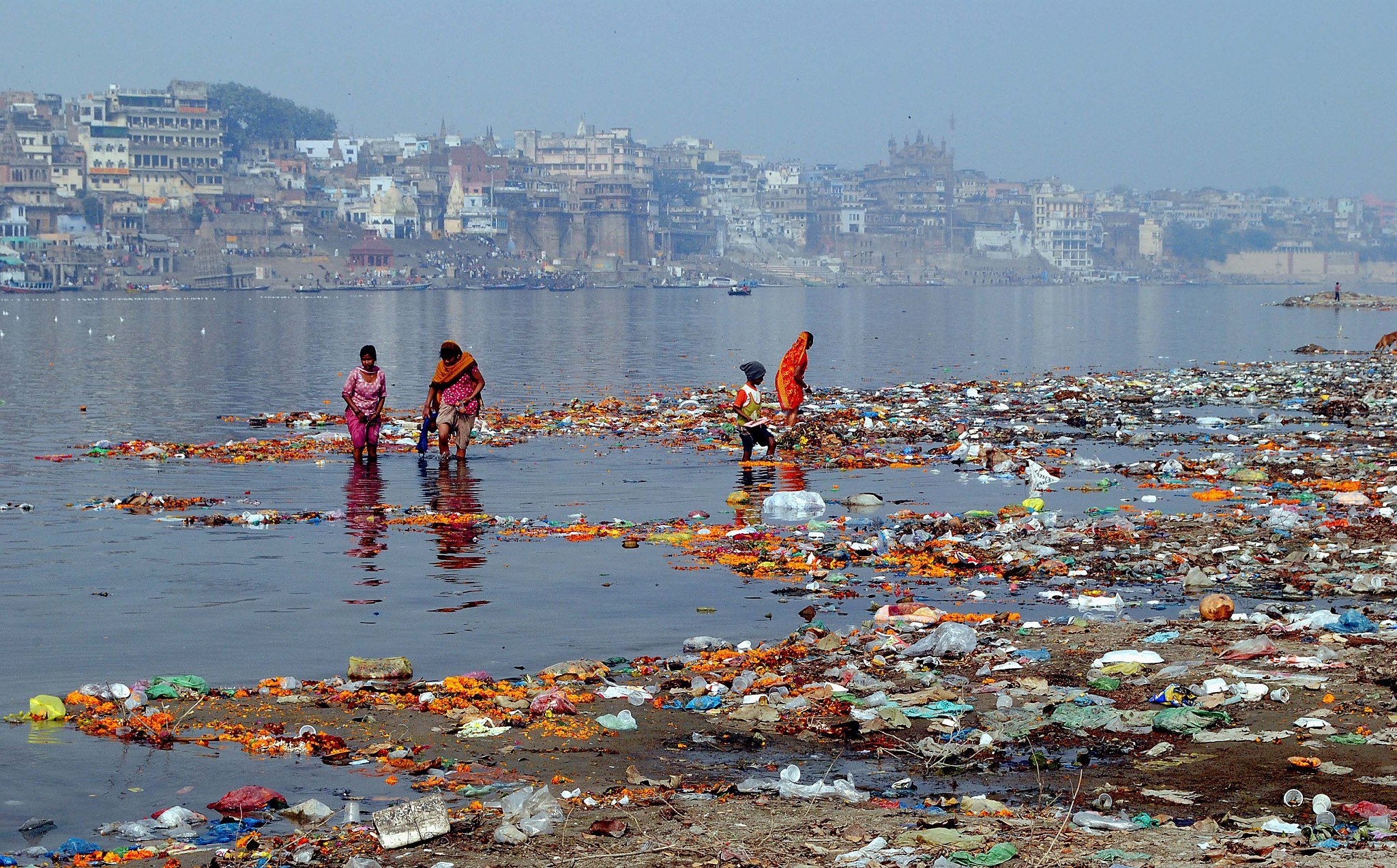
The challenge of river rejuvenation is inextricably linked to the management of sewage in the cities and towns that line the Ganga’s 2,500 km course. Historically, a substantial proportion of generated sewage has flowed into the river without adequate treatment, creating significant environmental strain. According to official assessments, the Ganga basin generates approximately 12,000 million litres of sewage every day, a volume that necessitates robust and functional treatment infrastructure to prevent the degradation of water quality (International Finance Corporation, 2023).
Efforts to bridge this gap have focused on the construction and maintenance of wastewater treatment plants. While past initiatives faced difficulties in maintaining operational efficiency, current policies emphasize the functional status of these facilities to ensure they meet established discharge standards. By upgrading urban sanitation systems, authorities aim to reduce the pollution load entering the river, particularly in densely populated regions such as West Bengal, where industrial and domestic waste management remains a priority for the National Mission for Clean Ganga.
The Ecological and Economic Stakes
The Ganga River basin is a cornerstone of India’s economic landscape, contributing to over 40 percent of the country’s GDP. The river provides essential resources for nearly 43 percent of India’s population, making its environmental sustainability a matter of national importance. Beyond its economic contributions, the river supports diverse biodiversity and helps mitigate climate impacts in sensitive regions, including the Sundarbans mangrove forest, which is recognized globally for its ecological value (International Finance Corporation, 2023).

The ongoing rejuvenation projects are designed to harmonize the river’s cultural legacy with modern environmental requirements. By integrating scientific research with infrastructure development, the Namami Gange program seeks to create a sustainable model for river management. The approval of new research projects, as noted in recent official communications, reflects a shift toward evidence-based interventions aimed at long-term pollution reduction and ecosystem restoration (PIB, 2025).
Key Takeaways for River Sustainability
- Infrastructure Modernization: The Namami Gange program is actively scaling up sewage treatment capacity to address the 12,000 million litres of daily sewage generated in the Ganga basin.
- Regional Focus: Targeted projects in West Bengal are designed to significantly improve urban sanitation and decrease the pollution load flowing into the river.
- Economic Impact: Given that the basin supports 40 percent of India’s GDP, the success of these environmental initiatives is vital for both the local livelihoods of 500 million people and the broader national economy.
- Research-Driven Policy: Recent approvals by the Executive Committee of the NMCG underscore a commitment to utilizing advanced research to refine pollution abatement strategies.
Looking Ahead
The path toward a cleaner Ganga is marked by continuous monitoring and the adaptation of new technologies to address emerging environmental pressures. As the National Mission for Clean Ganga continues its work, the focus will remain on ensuring that every municipal wastewater plant operates at peak efficiency. Stakeholders, including local governments and community organizations, are expected to play an ongoing role in the monitoring and maintenance of these critical assets.

Future updates regarding the progress of these sanitation initiatives will be available through the official portal of the National Mission for Clean Ganga. As the project enters its next phase of implementation, the emphasis will continue to be on achieving measurable reductions in pollution levels and fostering long-term ecological resilience across the river basin. We invite our readers to share their thoughts on the progress of these environmental efforts in the comments section below.
Related reading