/world-health-assembly-2026-committee-a.tmb-1200v.jpg?sfvrsn=9d01e43d_1)
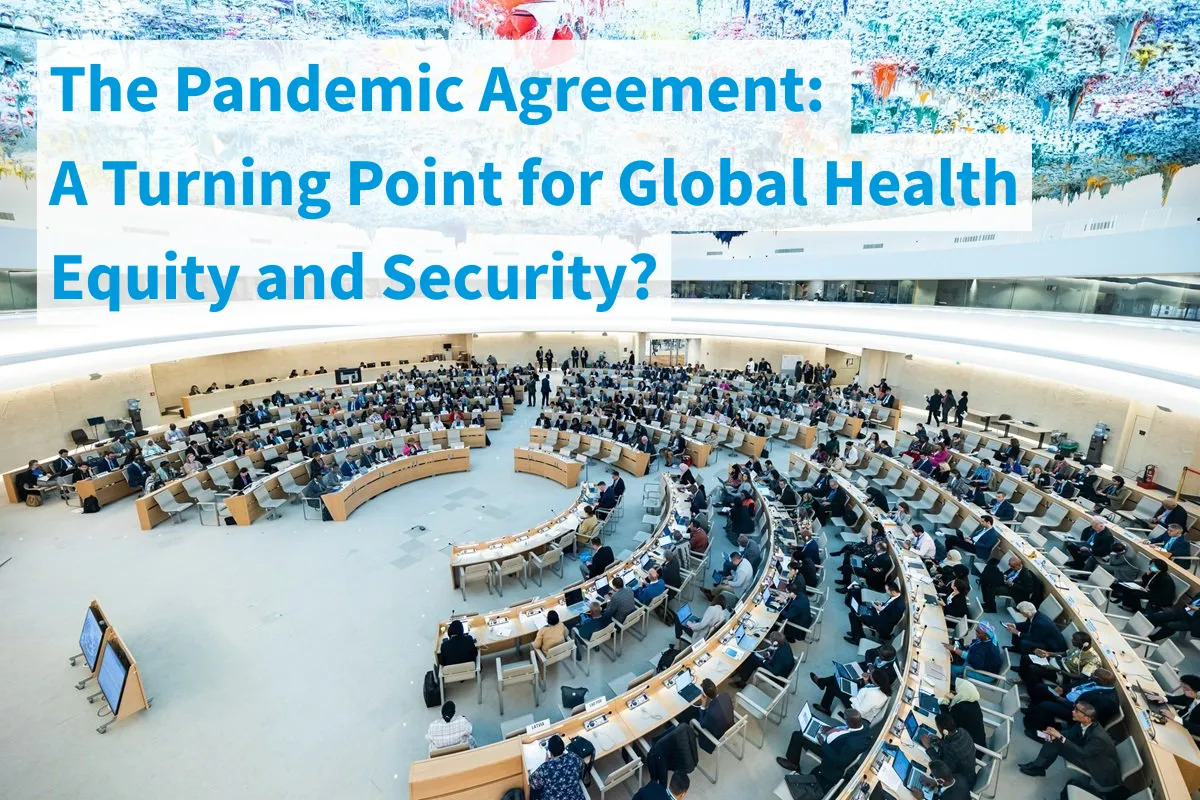
As the Seventy-ninth World Health Assembly continues in Geneva, global health leaders have gathered under the overarching theme, “Reshaping global health: a shared responsibility.” This year’s assembly serves as a critical juncture for international health policy, as Member States navigate the complex challenges of post-pandemic recovery, the implementation of updated health regulations, and the ongoing effort to finalize a comprehensive Pandemic Agreement.
The assembly, which officially opened its sessions this week, has already highlighted significant milestones in public health. During the early proceedings, the World Health Organization (WHO) Secretariat recognized several nations for achieving the elimination of specific diseases and health threats. These certifications reflect a decade of sustained investment in public health infrastructure and regional cooperation.
Among the notable achievements celebrated, Algeria, Australia, Burundi, Egypt, Fiji, Libya, Senegal, and Tunisia were honored for the elimination of trachoma as a public health problem. Chile received recognition for the elimination of leprosy, while Kenya was lauded for eliminating Human African trypanosomiasis. Suriname and Timor-Leste were acknowledged for reaching the milestone of malaria elimination. The Secretariat also honored Anguilla, the Bahamas, Brazil, Cuba, Denmark, the Maldives, Montserrat, Oman, Sri Lanka, and the Turks and Caicos Islands for the successful elimination of mother-to-child transmission of HIV, hepatitis B, and syphilis. Portugal and the United Arab Emirates were recognized for their progress in trans-fat elimination.
Advancing the WHO Pandemic Agreement
A primary focus of this year’s assembly involves the ongoing negotiations regarding the Pathogen Access and Benefit Sharing (PABS) system, a key component of the proposed WHO Pandemic Agreement. The PABS Annex is designed to establish a transparent, equitable framework for sharing data and biological samples during public health crises, while ensuring that the resulting medical countermeasures—such as vaccines and therapeutics—are distributed fairly across the globe.
Following extensive negotiations over the past year, Member States have decided to continue the drafting and negotiation process under the Intergovernmental Working Group (IGWG) on the WHO Pandemic Agreement. This work remains a priority under Article 12 of the agreement framework. According to official assembly updates, Member States have agreed to submit the final outcome of these negotiations for consideration by the Eightieth World Health Assembly in May 2027, or potentially at a dedicated special session of the Assembly to be held in 2026 (WHO Seventy-ninth Assembly Update, May 2026).
The adoption of the PABS Annex is widely viewed as a critical prerequisite for the finalization and signing of the broader WHO Pandemic Agreement. To maintain momentum, delegates are scheduled to resume negotiations at the seventh meeting of the IGWG, which is slated for July 6–17, 2026.
Health Emergencies and Committee A Deliberations
In Committee A, delegates have turned their attention to the technical and operational aspects of global emergency preparedness. The discussions centered on the implementation of the International Health Regulations (2005) and the findings of the Independent Oversight and Advisory Committee for the WHO Health Emergencies Programme. These reports are essential for assessing how effectively current systems can detect and respond to emerging infectious threats (Report on IHR Implementation, 2026).

A significant portion of the dialogue in Committee A addressed the health impact of the ongoing conflict in the Middle East. Delegates emphasized the urgent need for the protection of health care facilities and medical personnel working in conflict-affected regions. Following these deliberations, the Committee adopted a draft decision concerning the health emergency in Lebanon, underscoring the assembly’s commitment to maintaining essential health services in high-risk zones (Draft Decision on Lebanon Health Emergency, 2026).
Reflecting on a Decade of Health Emergencies
Coinciding with the tenth anniversary of the WHO Health Emergencies Programme (WHE), global leaders participated in a strategic roundtable to reflect on the lessons learned from the COVID-19 pandemic and other recent crises. Dr. Tedros Adhanom Ghebreyesus, Director-General of the WHO, characterized the COVID-19 pandemic as the “ultimate stress test,” noting that while it exposed profound vulnerabilities in global preparedness and institutional trust, it also catalyzed unprecedented innovation and international collaboration.
The roundtable featured insights from various global health experts. Professor Johanna Hanefeld of the Robert Koch Institute highlighted the transition toward a new era of “epidemic intelligence,” where advanced data analytics and artificial intelligence must be integrated with robust national systems to ensure public trust. Dr. Daniela Garone of Médecins Sans Frontières emphasized the necessity of sustainable, flexible financing, warning that a reliance on reactive funding mechanisms often hampers effective long-term preparedness.
Dr. John-Arne Røttingen of the Wellcome Trust advocated for an “end-to-end” approach to medical countermeasures. He stressed that scientific breakthroughs must be coupled with equitable access strategies to ensure real-world impact. Country-level perspectives were also shared, with health ministers from Ethiopia and the Central African Republic detailing how investments in laboratory infrastructure, oxygen systems, and workforce capacity have strengthened their respective national responses to outbreaks.
Key Takeaways from the Assembly
- Disease Elimination: Significant progress has been confirmed in the elimination of trachoma, leprosy, malaria, and the mother-to-child transmission of several infectious diseases across multiple nations.
- Pandemic Agreement: Negotiations on the PABS Annex will continue through the IGWG, with a goal of presenting outcomes for formal consideration by 2027 or during a potential 2026 special session.
- Emergency Preparedness: Committee A has formally reviewed reports on the International Health Regulations (2005) and has taken action to support health systems in the Middle East.
- Strategic Evolution: As the WHO Health Emergencies Programme enters its second decade, the focus has shifted from reactive crisis management toward proactive, sustained investment in epidemic intelligence and equitable access to medical tools.
As the Seventy-ninth World Health Assembly progresses, the international community remains focused on translating these strategic lessons into actionable policy. With the next IGWG meeting scheduled for July 2026, the coming weeks will be vital for determining the trajectory of the proposed Pandemic Agreement. We will continue to provide updates as these negotiations unfold. We invite our readers to share their thoughts on these developments in the comments section below.