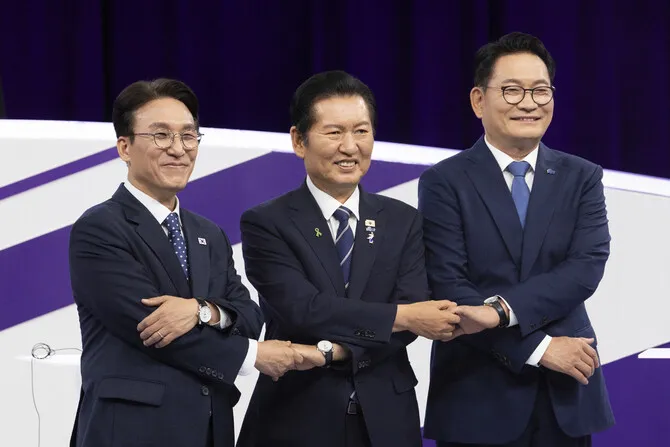
Political debates surrounding the authority to withdraw indictments within special prosecutor investigations have intensified in South Korea, involving prominent figures such as former lawmaker Song Young-gil and Democratic Party lawmaker Jung Cheong-rae. The discussions highlight differing perspectives on prosecutorial powers, institutional reforms, and the political timing of ongoing judicial reviews.
The core dispute centers on whether a special prosecutor investigating allegedly fabricated indictments should possess the explicit legal power to cancel or withdraw those indictments. As political factions prepare for upcoming internal party conventions and national elections, figures across the political spectrum have voiced sharply contrasting views on how to manage these structural prosecutorial changes.
According to recent reports, the debate has drawn commentary from key political actors regarding procedural fairness and institutional accountability. Analysts note that these discussions reflect broader, long-standing tensions over reforming South Korea’s investigative and prosecutorial agencies.
Debate Over Special Prosecutor Indictment Withdrawal Authority
The controversy gained momentum as lawmakers and political figures weighed in on the statutory powers granted to special investigation teams. Former lawmaker Song Young-gil publicly questioned the necessity of introducing such measures immediately ahead of upcoming elections, suggesting that rushing procedural changes could complicate the political landscape. According to statements covered by domestic news agencies, Song emphasized that the prosecution should resolve existing controversies through self-correction rather than relying on expedited legislative maneuvers.
Conversely, Democratic Party lawmaker Jung Cheong-rae adopted a different stance regarding related prosecutorial reforms. Jung addressed the broader implications of modifying investigative authority, supporting initiatives such as the curtailment of supplementary investigation rights by prosecutors. According to media reports from outlets such as Money Today, Jung asserted that structural adjustments to prosecutorial power could yield positive political outcomes for centrist outreach efforts.
Legislative Strategies and Party Dynamics
As the Democratic Party approaches its upcoming national convention, party members have faced calls to solidify their stance on indictment cancellations and prosecutorial overhauls. Observers point out that party leadership and senior members are navigating a delicate balance between pushing aggressive judicial reforms and maintaining broader public consensus.
Newsis reported that when pressed on the special prosecutor indictment withdrawal question, Jung Cheong-rae indicated a willingness to revisit party platforms and gauge member sentiment once again. Meanwhile, other political voices, including figures referred to in parliamentary discussions, stressed that any sweeping changes to prosecutorial authority must align closely with widespread public consensus rather than partisan expediency alone.
Next Steps and Institutional Outlook
The ongoing discussions regarding prosecutorial reform and special prosecutor authorities are expected to remain a central focus during upcoming political deliberations and parliamentary sessions. Stakeholders continue to monitor how party conventions will address these legislative items before future legislative votes take place.
Official updates, legislative filings, and scheduled committee hearings regarding these prosecutorial amendments can be followed through the official website of the National Assembly of the Republic of Korea. We welcome your thoughts on this developing story—please share your comments or join the discussion below.
Keep reading
- Westfalia Rhynern vs. Dynamo Dresden: DFB Pokal 2026/27 TV, Stream & Date
- Medicare Part D Premiums May Rise in 2027 as Federal Subsidies End
- Nepo Babies in Power: The Rise of Political Dynasties in Latin America (newsdirectory3.com)
- Latin America Political Dynasties See Rise of Nepobabies in Power (archyde.com)