
As the European energy landscape continues to undergo a fundamental shift, the Dutch government has moved to integrate sustainable heating solutions into the domestic sector. The policy, which mandates the inclusion of green gas in central heating systems, is part of a broader strategy to reduce carbon emissions and align with the European Union’s ambitious climate neutrality targets. However, this transition has prompted significant discussion regarding the immediate economic impact on household utility bills.
For many residents, the shift toward a more sustainable energy mix represents a complex balance between long-term environmental benefits and short-term financial pressures. As policymakers push to phase out traditional fossil fuel dependencies, the introduction of renewable gases into the national supply chain has become a focal point of public debate. Understanding the mechanics of this transition—and the associated costs—is essential for households navigating the evolving energy market.
The Shift Toward Sustainable Heating Mandates
The transition to green gas—typically derived from organic materials such as agricultural waste, manure, and sewage—is a central component of the Netherlands’ strategy to decarbonize the heating sector. Unlike conventional natural gas, green gas is chemically compatible with existing infrastructure, allowing for a phased integration without requiring the immediate replacement of millions of residential boilers. According to the Government of the Netherlands, the objective is to significantly reduce the carbon intensity of the heating sector by increasing the share of renewable alternatives in the gas grid.
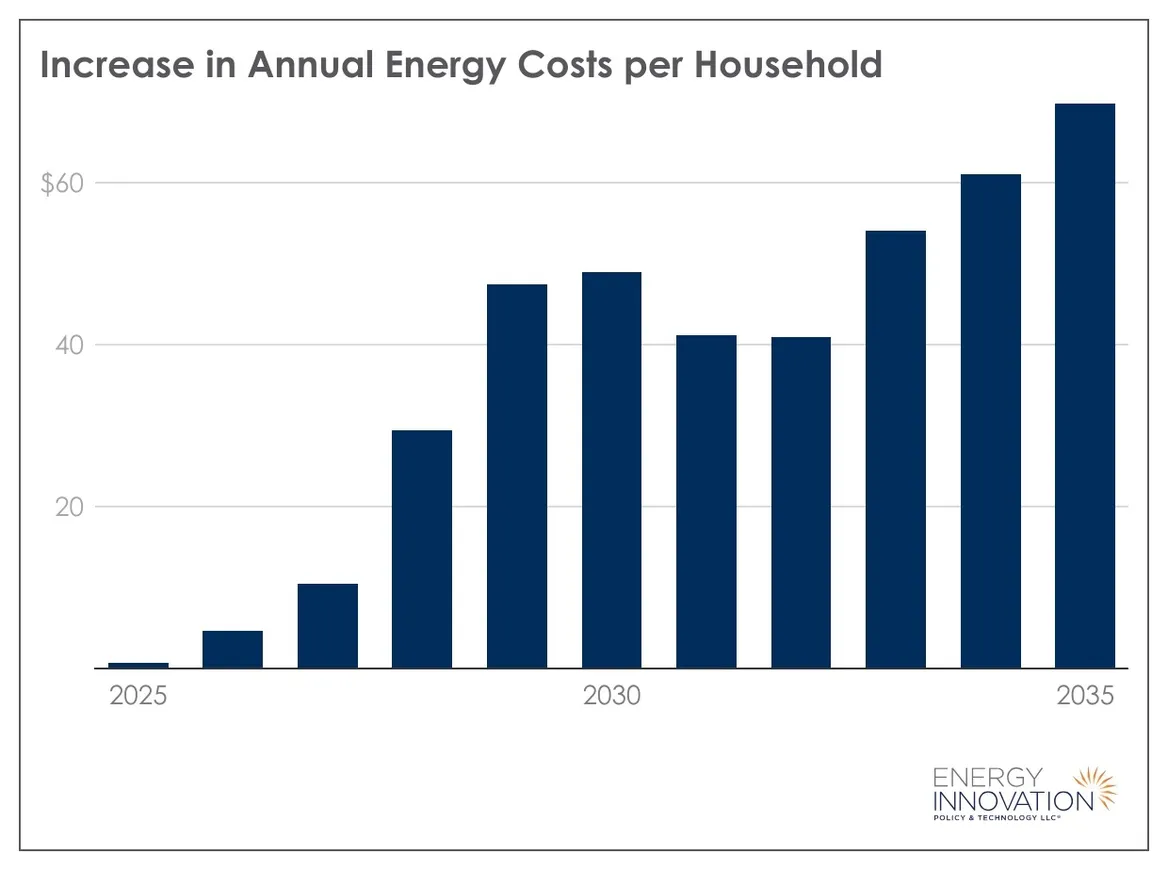
This mandate is designed to facilitate a gradual transition, yet it introduces new variables into the cost of energy. Because the production of green gas currently requires more complex processing and logistics than the extraction of traditional fossil-based gas, the market price for these renewable alternatives remains higher. As energy providers are required to incorporate a growing percentage of green gas into their offerings, these costs are inevitably reflected in the utility bills of end-users.
Analyzing the Economic Impact on Households
The correlation between green energy mandates and rising stookkosten, or heating costs, is a subject of intense analysis by economic observers. When utilities are required to procure more expensive renewable gas, the additional expenditure is frequently passed on to consumers. As noted by the International Energy Agency (IEA) in its recent policy reviews, the Netherlands faces the challenge of maintaining energy affordability while simultaneously accelerating the energy transition.

For the average household, Which means that even as the carbon footprint of their heating system decreases, the monthly invoice for gas usage may show a noticeable upward trend. This dynamic is exacerbated by the volatility of global energy markets, which continue to influence the price of both traditional and renewable gas supplies. The challenge for the government, lies in implementing support mechanisms or subsidies that can shield vulnerable populations from the full impact of these rising costs.
Navigating the Energy Transition: What Consumers Should Know
As the regulatory landscape evolves, homeowners and renters are encouraged to stay informed about the specific requirements and support programs available. The Dutch government offers various subsidies for home insulation and the adoption of hybrid heating systems, which can help offset the increased costs associated with green gas usage. Access to official information is critical for those looking to mitigate the financial burden of these new mandates.
For further details on energy policy updates and available financial support, residents are advised to consult the Netherlands Enterprise Agency (RVO), which provides comprehensive guides on sustainable energy measures and subsidy applications. Monitoring official government communications regarding the timeline for the green gas integration will be essential for households planning their domestic energy budget for the coming years.
Looking Ahead
The next phase of this policy implementation is expected to involve periodic evaluations of the green gas market, with further adjustments to the mandatory blending percentages slated for review in the upcoming legislative sessions. As the Netherlands continues to refine its approach to the climate crisis, the balance between environmental responsibility and economic viability will remain a priority for both the government and the private sector.
We invite our readers to share their perspectives on the energy transition in the comments section below. As this policy develops, World Today Journal will continue to provide updates on the latest regulatory changes and their implications for the global and local economy.
Related reading