
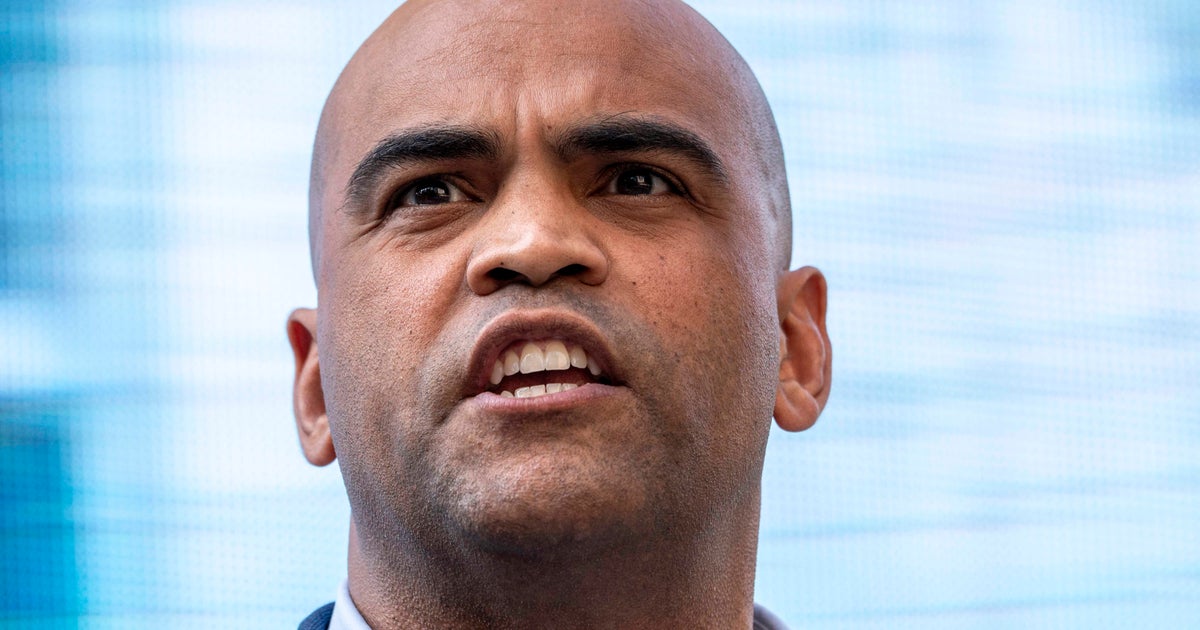
In a decisive contest that underscores the evolving political landscape of North Texas, Colin Allred has secured the Democratic nomination for Texas’ 33rd Congressional District. Following a high-stakes runoff held this past Tuesday, Allred emerged victorious over State Representative Julie Johnson, effectively clinching the party’s ticket for the upcoming general election.
The runoff, which many observers characterized as a heated and closely watched battle, represents a pivotal moment for the Democratic Party in Texas. The 33rd District, a key stronghold for Democrats in the Dallas-area, has long been a focal point for discussions regarding urban representation and the strategic direction of the party in a state that remains a central battleground in national politics.
As the Democratic nominee, Allred now moves forward to represent the party’s interests in the general election, carrying the momentum of a hard-fought primary process. The victory marks a significant milestone for both candidates, who brought distinct backgrounds and political perspectives to the race.
The Strategic Importance of the 33rd Congressional District
To understand the weight of this runoff, one must look at the geography and demographics of the Texas 33rd Congressional District. Centered in the Dallas metropolitan area, the district is a diverse, majority-minority constituency that serves as a vital component of the Democratic coalition in Texas. Its voters represent a microcosm of the shifting political tides in the Sun Belt, where urban and suburban growth is reshaping electoral maps.

Winning this seat is not merely about securing a single seat in the U.S. House of Representatives; it is about maintaining a foothold in a state where the Democratic Party is working to expand its influence. For the Democratic nominee, the challenge lies in mobilizing a diverse base of voters—ranging from progressive urban activists to moderate suburbanites—to ensure long-term stability in the region.
Political analysts note that the 33rd District often serves as a bellwether for how Democratic messaging resonates in high-growth, diverse corridors. The outcome of this runoff suggests that the party is prioritizing candidates with established legislative or congressional experience to navigate the complexities of federal governance.
Candidate Profiles: Experience vs. Legislative Momentum
The runoff presented voters with two distinct profiles of Democratic leadership. The contest pitted the federal experience of a former congressman against the localized legislative expertise of a sitting state representative.
Colin Allred, running as a former member of the U.S. House of Representatives, brought a significant level of familiarity to the district. Having previously served the 33rd District, Allred’s platform was built on his record in Washington, focusing on issues that resonate with the district’s diverse population. His ability to navigate the federal legislative process and his previous tenure in the 116th and 117th Congresses provided him with a “ready-on-day-one” appeal to many voters.
On the other side of the ballot, Julie Johnson offered a different brand of leadership. As a member of the Texas House of Representatives, Johnson has been a visible figure in Austin, working on state-level policy and community-driven initiatives. Her campaign emphasized her direct connection to the legislative mechanics of Texas and her ability to advocate for the district’s needs within the state capitol.
The competition between Allred and Johnson highlighted the different paths available to Democratic leaders in Texas: one focused on federal advocacy and national policy, and the other on state-level legislative impact and local community engagement.
| Feature | Colin Allred | Julie Johnson |
|---|---|---|
| Primary Political Role | Former U.S. Representative | Texas State Representative |
| Focus Area | Federal Legislation & National Policy | State Legislation & Local Advocacy |
| Political Affiliation | Democrat | Democrat |
Analyzing the Runoff Dynamics
The “heated” nature of this runoff, as reported, points to a contest that was as much about ideological alignment and strategic vision as it was about individual personalities. In Democratic primaries, runoffs typically occur when no single candidate secures a majority of the vote in the initial primary, necessitating a second round to determine the definitive nominee.
In the context of the 33rd District, the tension likely stemmed from differing views on how to best approach the upcoming general election. While both candidates are members of the Democratic Party, the questions of how to engage with the district’s diverse electorate and which issues should take precedence—ranging from economic stability to social justice and healthcare access—often create friction in closely contested races.
The intensity of the race suggests that the Democratic base in North Texas is highly engaged and possesses a wide spectrum of priorities. For the party, such a vigorous contest can be a double-edged sword: it ensures that the eventual nominee has been thoroughly tested, but it also requires significant effort to unify the party following a divisive primary battle.
The Role of Urban and Suburban Voters
A critical component of the runoff was the engagement of voters in the Dallas-area suburbs. As these areas continue to grow and diversify, they have become the primary battlefield for political control in Texas. The winner of this runoff must now pivot from a primary focus on the party’s base to a broader coalition-building strategy designed to win over the moderate and independent voters who decide general elections in these swing-capable areas.
The Road Ahead: The General Election
With the Democratic nomination secured, Colin Allred now shifts his focus toward the general election. The path to victory will require a robust campaign capable of defending the district against Republican opposition and maintaining the high levels of engagement seen during the primary and runoff phases.

Key issues that are expected to dominate the upcoming campaign include:
- Economic Opportunity: Addressing inflation, job growth, and cost-of-living concerns within the Dallas metropolitan area.
- Healthcare Access: Navigating federal policy regarding healthcare affordability and availability.
- Infrastructure and Urban Growth: Managing the rapid expansion of the North Texas region.
- National Political Trends: Leveraging the district’s alignment with national Democratic priorities to drive turnout.
The Democratic Party will likely look to consolidate its support following the runoff, ensuring that the supporters of Julie Johnson are integrated into the broader movement to support Allred. The success of this consolidation will be a major factor in the district’s performance this November.
For official updates regarding election certification and future filing deadlines, constituents and observers can monitor the Texas Secretary of State website, the authoritative body for election administration in the state.
Next Scheduled Action: The commencement of the general election campaign cycle and the filing of official candidate paperwork for the upcoming November election.
What are your thoughts on the direction of the Texas 33rd District? How do you see this runoff impacting the broader political landscape in Texas? Share your comments below and please share this article with your network.