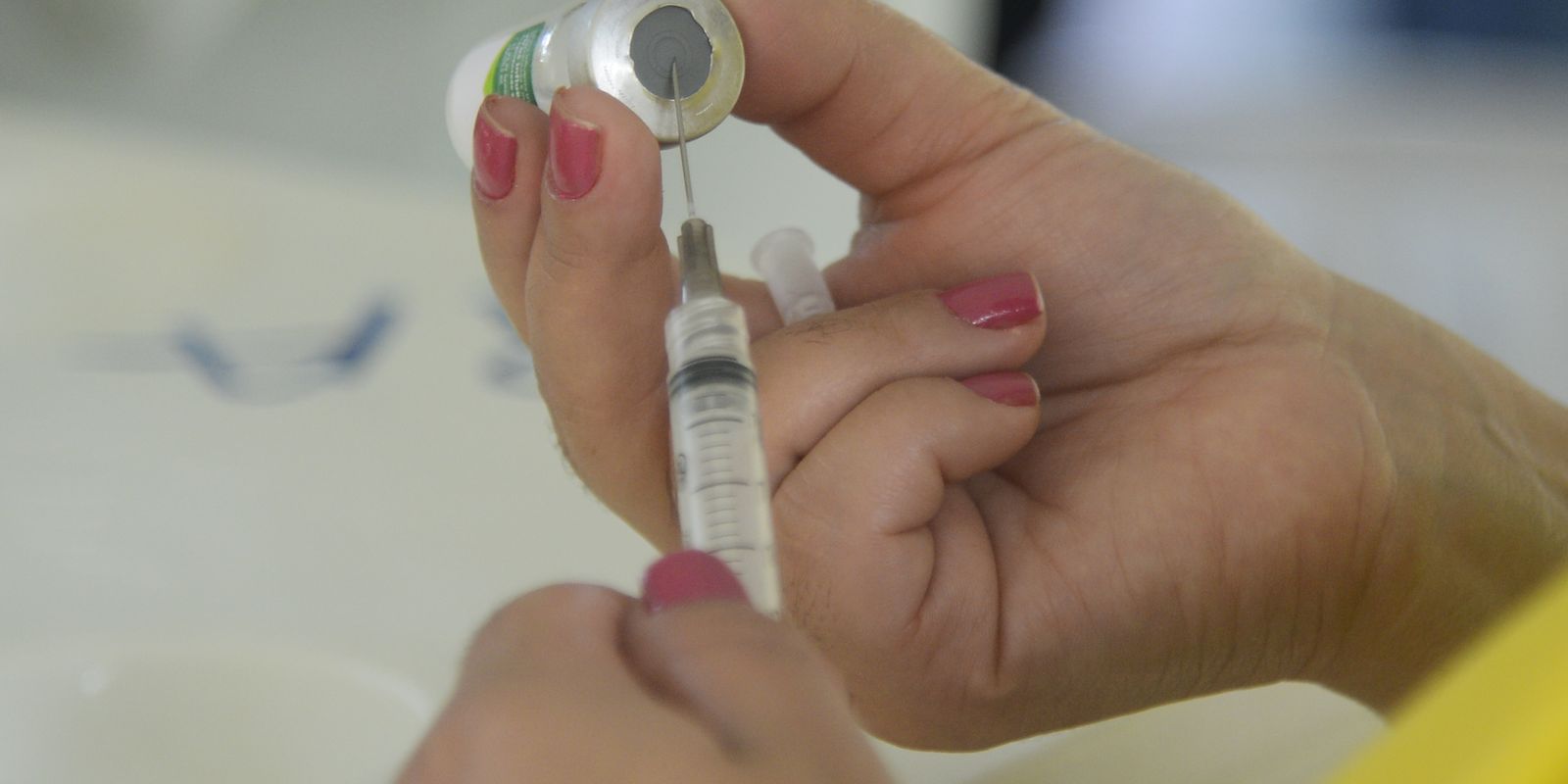
As we navigate the evolving landscape of global public health, the importance of robust immunization programs cannot be overstated. In a significant policy shift aimed at bolstering community immunity, the Brazilian Ministry of Health has announced the expansion of its national immunization schedule to include broader protection against pneumococcal disease. This decision marks a critical step in reducing the burden of invasive diseases caused by the bacterium Streptococcus pneumoniae, which remains a leading cause of pneumonia, meningitis, and sepsis worldwide.
For many years, the Unified Health System (SUS)—Brazil’s publicly funded healthcare network—has provided essential vaccines to its population. By incorporating updated pneumococcal conjugate vaccines (PCVs), health authorities are aiming to provide more comprehensive coverage against the diverse serotypes of the bacteria that continue to challenge clinical settings. This move is not merely an administrative update; it is a strategic public health intervention designed to protect the most vulnerable demographics, specifically children and the elderly, who are at the highest risk for severe complications.
The decision follows rigorous evaluation by the National Immunization Program (PNI), which routinely reviews vaccine efficacy and epidemiological data to ensure that the Brazilian population receives the most effective protection available. According to the Brazilian Ministry of Health, this expansion is part of a broader commitment to modernizing the national vaccination strategy, ensuring that the SUS remains a global model for universal, equitable healthcare access.
Understanding the Impact of Pneumococcal Disease
To appreciate the weight of this policy change, one must understand the nature of the pathogen. Streptococcus pneumoniae is a bacterium that can colonize the human nasopharynx, often without causing symptoms. However, when the host’s immune system is compromised or overwhelmed, the bacteria can migrate to the lungs, bloodstream, or the lining of the brain, leading to life-threatening conditions.

Pneumococcal pneumonia remains a significant contributor to hospital admissions globally. In children under five, it is a leading cause of morbidity, while in adults over the age of 65, it poses a severe threat to long-term health and functional independence. By expanding the range of serotypes covered by the vaccine, the SUS is essentially closing the “coverage gap” that exists when older vaccine formulations fail to address emerging or prevalent strains circulating in the community.
The World Health Organization (WHO) emphasizes that vaccination is the most effective tool for preventing pneumococcal disease. As countries like Brazil shift their focus toward more comprehensive vaccine formulations, they provide a blueprint for other nations to address the shifting epidemiology of infectious diseases. This proactive approach significantly reduces the economic burden on the healthcare system by preventing the need for costly intensive care treatments and long-term rehabilitation associated with invasive pneumococcal disease.
Strategic Implementation within the SUS
The implementation of this expanded protection is handled through the extensive logistics network of the SUS. As the primary provider of healthcare for the vast majority of the Brazilian population, the SUS utilizes a decentralized model that relies on municipal health departments to administer doses at thousands of clinics across the country. This system is supported by the National Immunization Program, which oversees the procurement, distribution, and monitoring of all vaccine supplies.
Key to this strategy is the inclusion of the 15-valent pneumococcal conjugate vaccine (PCV15). This formulation offers an expanded breadth of protection compared to the previous 10-valent version, which had been the standard in Brazil for over a decade. By targeting more serotypes—specifically those that have been identified as rising in prevalence—the health ministry is effectively staying ahead of the pathogen’s natural evolution.

The transition is not just about the vaccine itself, but about the data-driven infrastructure that supports it. The Ministry of Health utilizes surveillance data from the Health Surveillance Secretariat to track the impact of the new vaccine, ensuring that the investment in public health translates into measurable declines in hospitalizations and mortality. This evidence-based approach is a hallmark of modern medical policy and serves as a vital component of the SUS’s mission to ensure health equity for all citizens, regardless of geography or socioeconomic status.
What Which means for Patients and Families
For the average citizen, this update means that the standard of care has been elevated. Parents should consult their local health unit to verify the updated vaccination calendar, as the timing and number of doses may vary slightly based on the specific age of the child and their prior immunization history. Staying informed is the best way to ensure that your family receives the full spectrum of protection offered by these recent advancements.
the SUS is committed to providing these vaccinations free of charge, reflecting the core principle that health is a fundamental right. As the rollout continues across the country, citizens are encouraged to keep their vaccination records up to date. Digital records, often accessible through the Meu SUS Digital platform, allow users to track their immunization history and receive reminders for upcoming doses, making it easier than ever to stay on top of medical requirements.
If you or a family member fall into a high-risk group—such as individuals with chronic respiratory conditions, immunosuppressive disorders, or those over 60—it is highly recommended that you speak with a primary care physician about how these new vaccine guidelines apply to your personal health plan. While the national program provides the framework, individual clinical needs may require additional guidance from healthcare professionals to optimize protection.
Looking Ahead: The Future of Immunization Policy
The expansion of the pneumococcal vaccination program is a testament to the resilience and adaptability of the Brazilian public health system. By prioritizing preventive care, the Ministry of Health is not only saving lives today but is also strengthening the health security of the nation for years to come. The success of this initiative will likely be measured by the reduction in incidence rates over the next several years, data that will be closely monitored by both national and international health observers.

As we move forward, the global community will be watching how these changes influence broader public health outcomes. The integration of advanced vaccines into national systems is a complex process that requires significant political will, financial commitment, and logistical precision. Brazil’s progress in this area underscores the importance of sustained investment in research and development, as well as the need for transparent communication between health authorities and the public.
For those interested in following the progress of this rollout, the Ministry of Health provides regular updates via their official portal and through the various state-level health secretariats. We will continue to monitor these developments as they unfold. We invite our readers to share their thoughts and experiences regarding the accessibility of these new vaccines in their local regions in the comments section below. Your engagement helps us keep the conversation on public health active and informed.
Keep reading