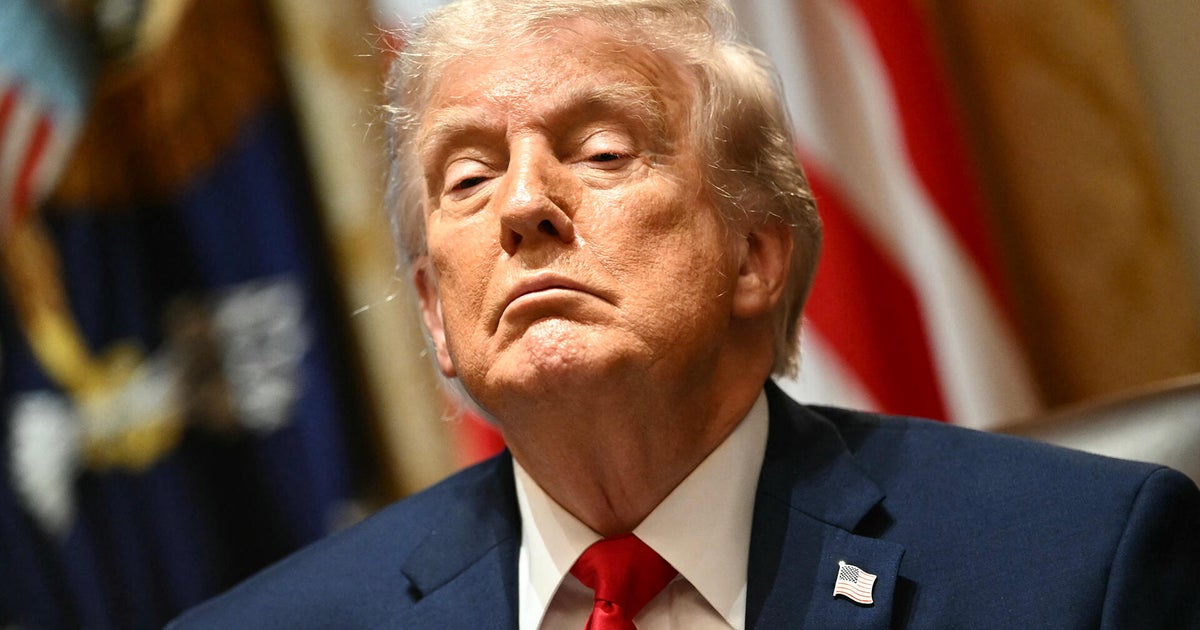
As the Trump administration navigates a complex period of domestic oversight and international diplomacy, two distinct developments have taken center stage in Washington this week. On Friday, May 29, 2026, President Donald Trump convened members of his administration in the White House Situation Room to deliberate on the future of a proposed nuclear deal with Iran. Simultaneously, the House Oversight Committee continued its intensive scrutiny of the Justice Department’s handling of records pertaining to Jeffrey Epstein, with former Attorney General Pam Bondi providing testimony behind closed doors.
These concurrent events highlight the broad scope of challenges currently facing the executive branch, ranging from high-stakes foreign policy negotiations to significant internal accountability inquiries. As the administration works to define its diplomatic trajectory in the Middle East, it remains under pressure from Congress to provide transparency regarding past federal record-keeping practices.
Evaluating the Proposed Iran Agreement
The situation regarding Iran represents a central focus for the administration’s foreign policy agenda. President Trump indicated via Truth Social that the meeting held in the White House Situation Room was intended to facilitate a “final determination” on a potential deal. The parameters of the proposal, as outlined by the administration, include the removal of Iran’s enriched uranium, the reopening of the Strait of Hormuz, and the formal conclusion of the U.S. Naval blockade in the region.
While the meeting lasted for approximately two hours, no definitive announcement followed the conclusion of the session. The potential agreement, should it proceed, would mark a significant shift in U.S.-Iran relations, particularly concerning maritime security and nuclear non-proliferation. The administration has yet to provide a specific timeline for when a final decision will be communicated to the public or international stakeholders.
Testimony in the Epstein Records Investigation
While the Situation Room meeting drew attention to foreign policy, the House Oversight Committee’s investigation into the Justice Department’s management of Jeffrey Epstein-related files continued to develop. Former Attorney General Pam Bondi appeared before the committee on Friday to address concerns regarding the release of these records.
.jpg/240px-AEAC_Robert_Perez_Hearing_Testimony_Before_the_House_Judiciary_Committee_(35444010311).jpg "Testimony in the Epstein Records Investigation")
According to the top Democrat on the oversight panel, Bondi attributed specific procedural errors in the handling of the files to Acting Attorney General Todd Blanche. The testimony, which was conducted behind closed doors, reportedly also included instances where Bondi declined to address questions pertaining to President Trump. The inquiry remains a point of contention between the legislative and executive branches, as lawmakers continue to seek clarity on how the Justice Department managed the sensitive information during the relevant period.
Judicial Rulings and Federal Oversight
Beyond the ongoing investigations and diplomatic talks, the administration has faced recent challenges in the federal court system. A federal judge recently issued a ruling blocking the implementation of a new $1.8 billion “anti-weaponization” fund. The court order specifically prohibits the administration from taking any action regarding the fund, including the disbursement of any associated payments.
the judiciary has intervened in the administration’s management of the Kennedy Center. A federal judge has temporarily blocked the planned two-year closure of the facility and mandated that the administration remove the President’s name from the building. These legal setbacks underscore the limitations placed on executive authority by the federal courts, particularly regarding the use of federal funds and the governance of public institutions.
Looking Ahead
As of May 30, 2026, the administration has not provided a follow-up date for the Iran negotiations, nor has the House Oversight Committee released a formal transcript or summary of Bondi’s testimony. The federal government remains in a state of transition, with multiple legal and policy initiatives currently under judicial review or legislative examination.

The coming weeks are expected to bring further updates as the administration responds to the court’s rulings on the “anti-weaponization” fund and the Kennedy Center, while international observers continue to monitor the status of the Iranian nuclear proposal. We will continue to track these developments as they impact federal policy and executive accountability.
What are your thoughts on the latest developments in Washington? Please share your perspective in the comments section below.
Worth a look
- Trump’s Week in Review: Gaza Plans, Iran Warnings, and UFO Files
- The Impact of Large Loans on Budgetary Discussions
- Blanche Leads Justice Department Amid Scrutiny Over Targeting of Trump’s Political Foes (newsdirectory3.com)
- Trump Threatens to Bomb Iranian Power Plants and Bridges to Force Talks (archyworldys.com)