
As the countdown to the 2026 FIFA World Cup intensifies, the logistical challenges of moving hundreds of thousands of spectators across North America’s sprawling host cities have moved to the forefront of planning. To address these transit hurdles, Uber has announced a strategic expansion of its service model, introducing dedicated shuttle operations in key metropolitan hubs including New York and Dallas. This initiative represents a significant pivot for the ride-hailing giant as it seeks to integrate more deeply with public infrastructure during one of the world’s most-watched sporting events.
The introduction of Uber shuttle services for the 2026 World Cup aims to provide high-capacity transit solutions for fans navigating the complex routes between city centers and stadiums. By deploying 50-seat motorcoaches, the company intends to alleviate the strain on existing regional transit systems, which are expected to face unprecedented demand during the tournament. This move comes as local authorities and transport agencies grapple with the reality of moving massive crowds in regions where private vehicle dependency remains high.
Addressing the Transit Gap in Host Cities
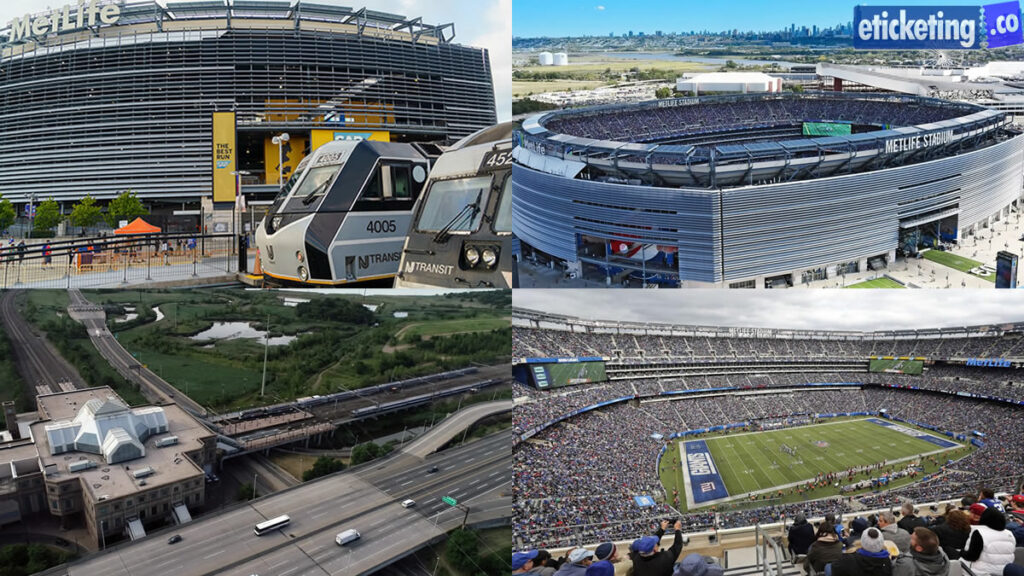
The demand for alternative transport became particularly evident following discussions regarding regional rail capacity. For instance, in the New York-New Jersey area, the New Jersey Transit Corporation has faced scrutiny over its operational plans for MetLife Stadium, which is set to host the tournament final. While specific pricing for individual match days remains a subject of ongoing administrative planning, the transit agency has previously implemented tiered fare structures for major events to manage peak-hour demand and operational costs, as noted in reports regarding New Jersey Transit’s long-term infrastructure strategies.
Uber’s decision to launch these shuttle services is not merely a convenience play; it is a calculated effort to capture market share in a landscape where traditional public transit may struggle to maintain service frequency. In cities like Dallas, where AT&T Stadium will host multiple matches, the reliance on ride-sharing and private shuttles is a logistical necessity. By utilizing the existing Uber app interface, the company hopes to offer a seamless booking experience that allows fans to secure seats on high-capacity vehicles well in advance of match day, effectively moving away from the surge-pricing volatility typically associated with individual ride-hailing.
Logistics and Scalability of the Shuttle Model
The operational framework for these shuttles relies on partnering with local charter bus operators to manage the fleet, rather than Uber owning the vehicles directly. This “asset-light” approach allows the company to scale operations up or down depending on ticket sales and transit demand. For fans, the benefit lies in the predictability of the service. Unlike standard ride-hailing, which can become unreliable during massive traffic bottlenecks around stadiums, these shuttles are expected to utilize dedicated drop-off zones, potentially reducing travel time for attendees.
However, the success of this initiative depends heavily on coordination with local municipal governments and tournament organizers. FIFA and local host committees have emphasized the need for a “multi-modal” approach to transport, encouraging fans to use a combination of light rail, express buses, and ride-sharing. According to the official FIFA 2026 host city guidelines, integrated transit planning is a primary performance indicator for the tournament’s overall sustainability goals.
Key Considerations for Traveling Fans
For those planning to attend matches, the evolving landscape of 2026 World Cup transport suggests several key takeaways:

- Advance Booking is Essential: Given the expected volume of international visitors, securing transit slots via shuttle services or regional rail passes should be prioritized alongside match tickets.
- Multi-Modal Planning: Relying on a single mode of transportation is risky. Fans are encouraged to monitor updates from local transit authorities, such as the Metropolitan Transportation Authority (MTA) in New York, for real-time service adjustments.
- Pricing Transparency: As seen with the debates surrounding rail surcharges, demand-based pricing will likely be a factor across all transit sectors. Using pre-booked shuttle services may offer more cost certainty than traditional on-demand ride-sharing.
The integration of technology into public transit for the World Cup is a test case for future international sporting events. If successful, the Uber shuttle model could become a permanent fixture in the company’s portfolio, providing a blueprint for how private tech firms can support public infrastructure during global gatherings. Whether this will significantly reduce private vehicle traffic remains to be seen, but it provides a necessary alternative in cities where infrastructure expansion is constrained by time and budget.
Looking Ahead
As we move closer to the tournament, stakeholders are expected to release more granular details regarding traffic management plans and shuttle route maps. The next major checkpoint for transit planning will be the release of the “Host City Transport Operational Plans,” which are expected to be finalized by the respective regional authorities in coordination with FIFA throughout the coming year. These documents will provide the definitive guide for fan movement in each of the 16 host cities.
We will continue to monitor these developments closely as the tournament approaches. For those heading to the stadiums, keep a close watch on official tournament communication channels to ensure your travel plans are as robust as your match-day enthusiasm. Have you already started planning your transport for the 2026 World Cup? Share your thoughts or questions in the comments section below, and join the conversation as we track the road to the final.
Worth a look