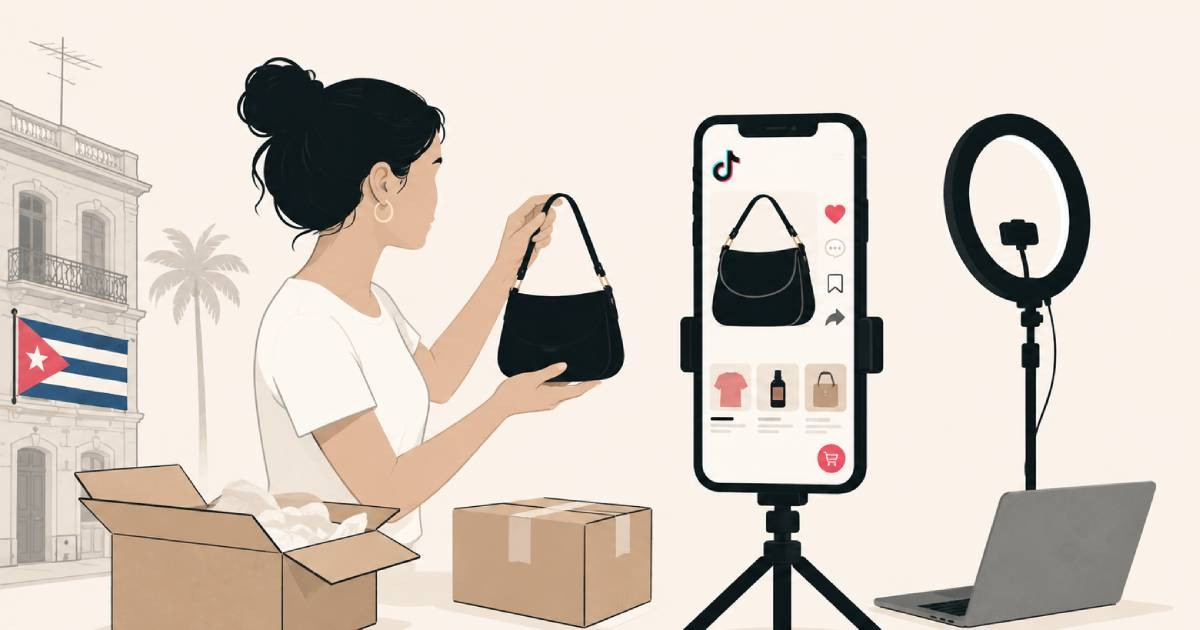
The rise of social commerce has transformed how creators and businesses reach global audiences. TikTok Shop, a feature integrated directly into the platform, allows users to purchase products without leaving the app. However, as the digital marketplace expands, so too does the prevalence of misinformation regarding eligibility and operational requirements. Recently, questions have surfaced regarding the ability to access TikTok Shop from regions where the service is not officially supported, such as Cuba.
For content creators and aspiring entrepreneurs, navigating the platform’s technical and geographic restrictions requires a clear understanding of official policies. TikTok’s operational availability is governed by specific regional frameworks, and attempting to bypass these through unofficial tutorials often leads to account restrictions or security vulnerabilities. As a technology editor, I have seen firsthand how the allure of “growth hacks” can distract from the fundamental reality of platform compliance and regional service availability.
Understanding TikTok Shop Regional Availability
TikTok Shop operates as a regulated digital commerce environment. To function, it requires integration with local payment processors, logistics partners, and adherence to regional consumer protection laws. According to official TikTok guidelines, the platform’s e-commerce features are only available in specific markets where the company has established the necessary infrastructure to support secure transactions.
The service is not a universal feature. it is tied to the creator’s or merchant’s registered location. When tutorials suggest that users in restricted regions can simply “enable” these features through software workarounds or VPNs, they often fail to account for the platform’s rigorous identity verification processes. TikTok requires merchants to provide valid business documentation, tax identification numbers, and verified banking information that corresponds to an approved operating region.
The Risks of Misleading Tutorials
The digital landscape is currently saturated with “get-rich-quick” tutorials that promise access to lucrative features like TikTok Shop for users in unsupported regions. These videos often encourage users to manipulate their account settings or utilize third-party tools to disguise their geographic location. From a cybersecurity perspective, these methods are highly problematic.
Manipulating location data or using unauthorized third-party software can trigger TikTok’s automated security protocols. This often results in the immediate flagging of an account for suspicious activity, which can lead to shadowbanning or permanent suspension. Providing false documentation to gain access to a commercial platform is a violation of the TikTok Terms of Service. Users who engage in these practices risk not only the loss of their digital presence but also potential legal repercussions depending on the nature of the fraudulent information provided.
Compliance and Digital Security
For creators looking to monetize their content legitimately, the best strategy is to focus on platform-approved methods. TikTok provides various avenues for monetization, such as the Creator Fund or brand partnerships, which are subject to different eligibility criteria than TikTok Shop. It is essential for users to verify their eligibility through the official Creator Portal rather than relying on anecdotal advice from social media influencers who may not be subject matter experts.
When evaluating the feasibility of selling through social platforms, consider the following factors:
- Geographic Compliance: Does the platform officially support commercial operations in your current jurisdiction?
- Identity Verification: Can you provide government-issued documentation to satisfy the platform’s “Know Your Customer” (KYC) requirements?
- Financial Infrastructure: Does the platform allow for the legal transfer of funds to your local banking institution?
If a tutorial suggests bypassing these steps, it is likely a form of content designed for engagement rather than practical application. The reality of global e-commerce is that it is built on transparency and regulatory adherence. Attempting to circumvent these structures rarely yields sustainable results and frequently compromises the security of the user’s personal and financial data.
Looking Ahead
As technology continues to evolve, platforms like TikTok frequently update their regional availability and service offerings. The most reliable way to stay informed about potential expansions or changes to commercial policies is to monitor the official TikTok Newsroom. This is where the company announces new market entries, partnership updates, and policy shifts that affect global users.
For creators currently operating in regions where specific features are unavailable, patience and a focus on building an authentic, engaged audience remain the most effective long-term strategies. When the platform officially opens services in your region, having a compliant, well-established account will put you in the best position to leverage those new tools effectively.
We encourage our readers to remain skeptical of “shortcut” tutorials that promise access to features through methods that contradict platform policy. If you have questions about specific monetization tools or need clarification on platform terms, please share your thoughts in the comments section below. Stay informed, stay secure, and continue creating responsibly.
Keep reading