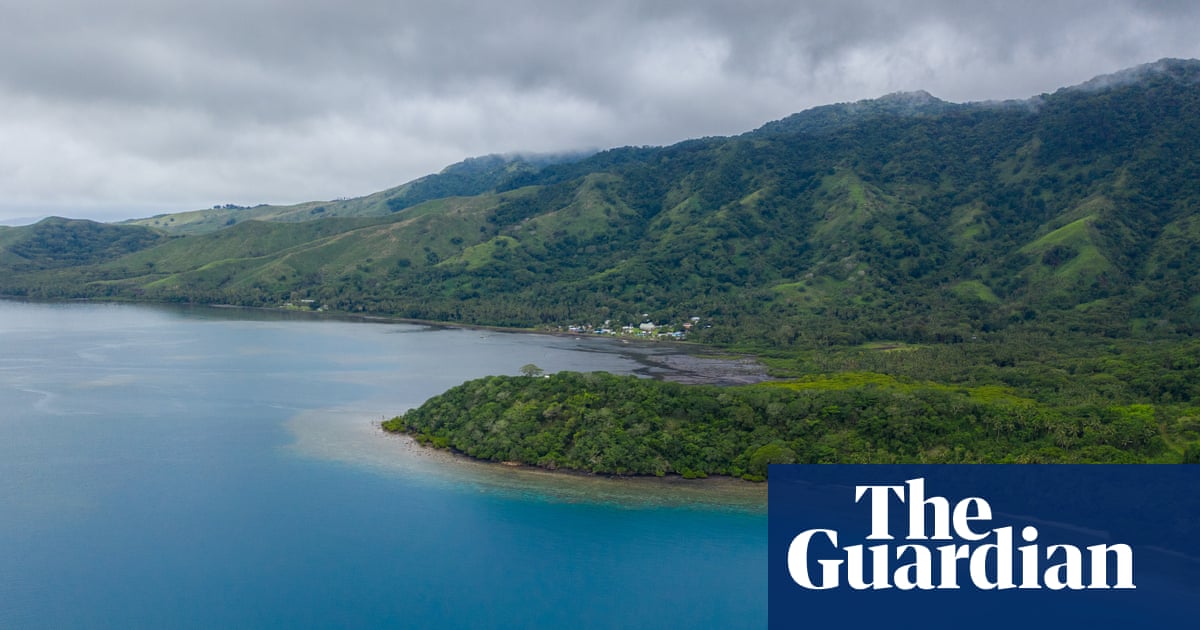
The Fijian government has officially halted a controversial proposal that would have seen the South Pacific nation become a regional hub for waste incineration. The project, spearheaded by an Australian-led initiative, aimed to import and process vast quantities of non-recyclable rubbish, a plan that drew immediate and fierce condemnation from local communities, environmental advocates, and the tourism sector.
For many in the Pacific, the proposal served as a lightning rod for concerns over what critics have termed “waste colonialism”—the practice of industrialized nations or wealthy entities offloading their environmental burdens onto developing countries with less robust regulatory frameworks. With Fiji’s economy heavily dependent on its pristine natural environment, the government’s rejection marks a significant victory for local stakeholders who argued that the incinerator posed an existential threat to the nation’s ecological integrity.
As an editor who has followed environmental policy across the Commonwealth for over 16 years, this decision reflects a shifting tide in how Pacific Island nations are asserting sovereignty over their natural resources. The government’s move to block the facility, which would have reportedly processed up to 900,000 tonnes of waste annually, underscores the growing tension between rapid development and the preservation of the Blue Pacific continent, as outlined in the 2050 Strategy for the Blue Pacific Continent.
The Anatomy of the Rejected Proposal
The project, which had garnered significant attention due to the involvement of Australian private interests, sought to establish a large-scale waste-to-energy facility in Fiji. Proponents of such schemes often argue that they provide a dual benefit: solving regional waste management crises while generating renewable electricity. However, the scale of the proposed operation—processing nearly a million tonnes of waste per year—raised immediate alarms among scientific and community groups.
Opposition was spearheaded by traditional landowners who feared that the chemical byproducts of large-scale incineration could contaminate the soil and water tables. Fiji’s tourism industry, which contributes significantly to the national GDP, expressed concerns that the presence of a massive industrial incinerator would undermine the “Fiji: Where Happiness Finds You” brand, which relies on the perception of an untouched, pristine tropical paradise. According to the Fiji Ministry of Tourism, maintaining environmental standards is not merely a moral imperative but a core economic necessity for the country.
Understanding ‘Waste Colonialism’
The term “waste colonialism” has gained increasing traction in international environmental law discourse. It refers to the historical and contemporary pattern of exporting hazardous or non-recyclable materials to territories that lack the infrastructure to manage them safely. This dynamic is often criticized as an extension of colonial-era resource exploitation, where the Global South is treated as a dumping ground for the consumption patterns of the Global North.
In the Pacific context, this is particularly sensitive. Pacific Island nations are already on the front lines of the climate crisis, contributing the least to global carbon emissions while facing the most severe impacts, such as rising sea levels and ocean acidification. Adding the burden of regional waste management, particularly through incineration, was viewed by many Fijians as an unacceptable imposition. The Secretariat of the Pacific Regional Environment Programme (SPREP) has long advocated for regional cooperation that prioritizes sustainable waste management solutions that do not export ecological risks to vulnerable islands.
Government Stance and Future Policy
The Fijian government’s decision to reject the proposal aligns with its broader commitments to environmental protection and sustainable development. By prioritizing the voices of traditional landowners—who hold customary rights over much of Fiji’s land—the administration has signaled that large-scale industrial projects must pass rigorous social and environmental impact assessments that go beyond simple economic metrics.
Moving forward, the focus for Fiji remains on enhancing local waste management capacity, such as improving recycling infrastructure and reducing single-use plastics, rather than importing waste from abroad. The government has emphasized that any future waste-to-energy initiatives must be domestic in scope and subject to the highest levels of transparency and public consultation. As noted in the Fiji Government’s official updates, the protection of the nation’s natural heritage remains a cornerstone of its national development plan.
Key Takeaways
- Project Rejection: The Fijian government has officially dismissed plans for a large-scale incinerator intended to process regional waste.
- Community Resistance: Strong opposition from traditional landowners and the tourism sector was pivotal in the government’s final decision.
- Sovereignty and Environment: The discourse surrounding the project highlighted the risks of “waste colonialism” in the Pacific region.
- Economic Impact: Protecting the environment is viewed as essential for the long-term viability of Fiji’s crucial tourism industry.
What Happens Next?
With the project effectively shelved, the immediate concern for Fiji and its regional partners shifts toward developing sustainable, circular economy models that address waste at the source. Stakeholders are encouraged to monitor the Department of Environment for future policy announcements regarding waste management regulations and potential calls for sustainable development proposals.

The rejection of this incinerator serves as a critical case study for other nations in the region as they navigate the pressures of economic development against the backdrop of environmental fragility. We invite our readers to share their thoughts on how small island states can best balance these competing interests in the comments section below.
Related reading