
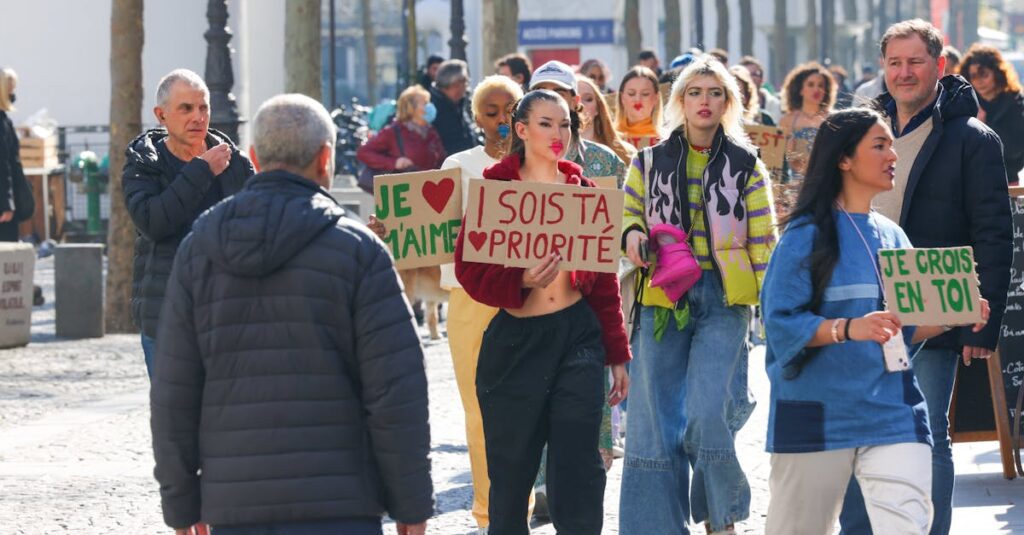
In the heart of Paris, the intersection of cultural life and social accountability has become a focal point for ongoing public discourse. Recent weeks have seen a series of demonstrations outside the Théâtre Édouard VII, where French singer and actor Patrick Bruel has been performing. These protests, organized by feminist groups, reflect a broader, intensifying conversation regarding the treatment of women in the entertainment industry and the persistence of systemic silence surrounding allegations of misconduct.
The protests, characterized by slogans such as “No stage for aggressors, no audience for rapists,” highlight a growing intolerance among activist circles for the continued professional success of public figures facing serious accusations. These demonstrations serve as a physical manifestation of the #MeToo movement’s evolution in France, moving beyond social media awareness into direct, site-specific action aimed at the venues hosting these artists. For those following the intersection of arts and social justice, these events underscore a shifting landscape where public performance is increasingly weighed against the gravity of personal conduct.
The Context of the Protests and Public Allegations
The current climate surrounding Patrick Bruel is rooted in a series of allegations that have surfaced over recent years. In 2019, investigations were opened following complaints of sexual assault and exhibitionism, specifically concerning incidents reported at a hotel in Ajaccio, Corsica, during a concert tour. According to reports from the French public prosecutor’s office, the investigation into these specific claims was ultimately closed in 2023 without charges, as the authorities determined the elements were insufficient to proceed to trial. Despite the legal closure of that specific case, the public scrutiny has not dissipated.

The persistence of these protests suggests that for many activists, legal outcomes do not necessarily resolve the ethical concerns raised by the accounts of former staff and colleagues. Investigative reports have highlighted a culture within the entertainment sector that, for years, shielded high-profile figures from consequences. By gathering outside the Théâtre Édouard VII, protesters are aiming to challenge the normalization of behavior that they argue was long dismissed as “eccentricity” or “industry standard,” effectively demanding a higher level of accountability from both the artist and the institutions that provide them with a platform.
Shifting Standards in the French Entertainment Industry
The intensity of the demonstrations outside the Théâtre Édouard VII is indicative of a broader cultural shift in France. Historically, the French media and public have maintained a degree of separation between an artist’s private life and their professional output. However, the influence of international movements, combined with a surge in local advocacy, has challenged this traditional boundary. The protest movement argues that providing a stage to individuals accused of sexual misconduct is an implicit endorsement of their behavior.
This development is part of a larger, ongoing debate in France regarding the “culture of silence.” Advocacy groups are increasingly calling for venues and producers to implement rigorous vetting processes and ethical charters. The Haut Conseil à l’Égalité (HCE), an independent advisory body, has frequently highlighted the need for systemic change to combat sexual violence in the workplace. As these demands gain traction, the pressure on theaters, film festivals, and production houses to address these concerns before scheduling performances or screenings has become a significant factor in the strategic planning of artistic events.
What Happens Next: Accountability and Dialogue
As of this writing, You’ll see no further legal proceedings pending against Patrick Bruel regarding the previously investigated allegations. The actor has consistently denied any wrongdoing throughout the duration of the public discourse. The current situation remains a stalemate between the artist’s right to continue his professional career and the demands of activists who view his presence on stage as a provocation.
For observers, the situation at the Théâtre Édouard VII serves as a critical case study in how public opinion and artistic spaces interact in the modern era. The protests are expected to continue as long as the underlying grievances remain unaddressed by those the activists hold responsible. Future updates on this matter will likely emerge through official statements from the theater management or further organized actions by feminist collectives. As the situation evolves, the focus remains on the broader implications for workplace safety and the responsibility of the arts community to foster environments where such allegations are treated with the seriousness they demand.
We invite our readers to share their perspectives on this complex issue in the comments section below. How do you believe the balance between artistic freedom and public accountability should be maintained in today’s society? Your engagement helps us continue to track these important global conversations.
Keep reading