
In the field of oncology and gerontology, few voices carry the weight of experience quite like that of Professor Silvio Garattini. As a renowned Italian pharmacologist and the founder of the Mario Negri Institute for Pharmacological Research in Milan, Garattini has dedicated his life to the scientific study of health, aging, and medicine. Now at 97 years old, he continues to offer insights that challenge the modern obsession with restrictive dieting and complex wellness trends, emphasizing instead the importance of moderation and consistent physical activity.
For those interested in the science of longevity, Garattini’s perspective serves as a grounded, evidence-based alternative to the often-confusing landscape of nutritional advice. His philosophy is not built on radical lifestyle changes, but rather on the sustainable habits of daily living. As we navigate an era where health information is frequently saturated with unverified claims, turning to the expertise of established medical researchers provides a clearer path toward understanding how to support long-term health.
The Science of Moderation
The core of Garattini’s approach to longevity is perhaps best summarized by his emphasis on portion control rather than the frequency of meals. While many contemporary diet plans advocate for specific meal timings or intermittent fasting, Garattini suggests that the focus should remain on the total caloric intake throughout the day. His perspective aligns with broader public health guidance that highlights the dangers of overnutrition in developed societies, where sedentary lifestyles often conflict with high-energy diets.

According to the World Health Organization, maintaining a healthy weight through balanced energy intake is essential for reducing the risk of noncommunicable diseases, such as cardiovascular conditions and various cancers. Garattini’s emphasis on “small quantities” mirrors these global health recommendations, which advocate for the consumption of diverse, nutrient-dense foods while maintaining caloric balance to prevent metabolic strain.
Physical Activity as a Daily Pillar
Beyond nutrition, Garattini frequently highlights the necessity of movement. He advocates for walking as a primary form of exercise, suggesting that consistent, daily physical activity is far more effective for longevity than sporadic, high-intensity workouts. This aligns with the Centers for Disease Control and Prevention (CDC) guidelines, which emphasize that regular physical activity is one of the most important actions people can take to improve their health, regardless of age.
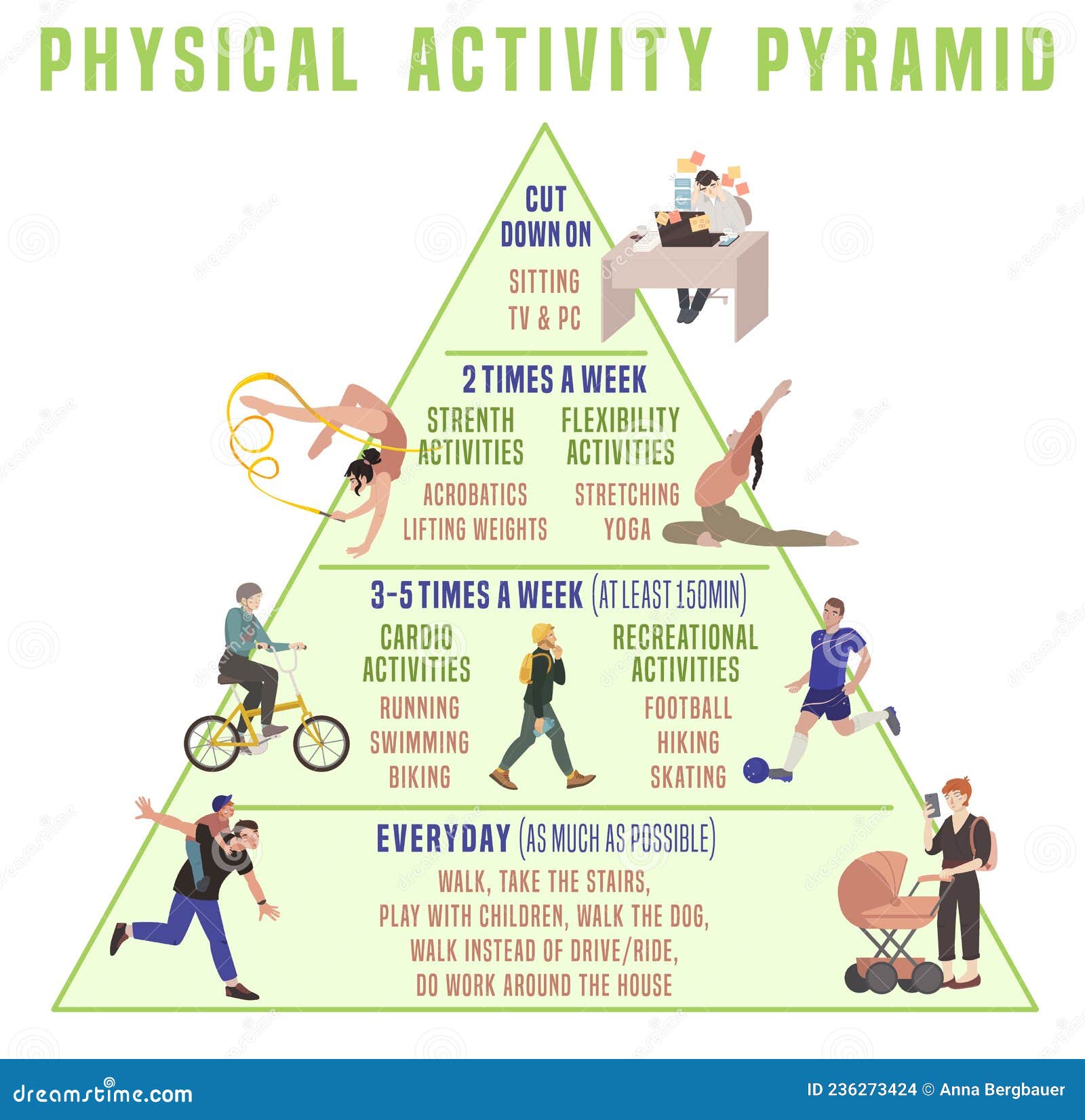
For an individual at age 97, Garattini remains a living example of the benefits of maintaining mobility. His approach suggests that the “secret” to a long life is not found in a single pill or a miracle diet, but in the cumulative effect of small, healthy choices made consistently over decades. By integrating regular, moderate exercise into one’s daily routine, individuals can better manage their metabolic health and improve their overall quality of life.
Longevity and Public Health
Garattini’s work at the Mario Negri Institute has long focused on the rigorous evaluation of pharmacological treatments and the promotion of rational medicine. This scientific background informs his views on aging: he is a staunch proponent of relying on evidence rather than trends. In his view, the medical community and the public should prioritize interventions that have been proven to extend healthy life years, rather than focusing on aesthetic or short-term wellness goals.
This evidence-based approach is crucial in a global environment where “longevity hacks” are increasingly marketed to the public. By focusing on fundamental health determinants—moderate nutrition and regular physical activity—Garattini provides a framework that is accessible to everyone, regardless of their socioeconomic status or access to expensive medical interventions. It is a reminder that the most powerful tools for health are often the simplest ones.
Key Principles for Long-Term Health
While everyone’s health journey is unique, the principles championed by experienced medical professionals like Garattini often converge on a few essential points:
- Caloric Moderation: Focus on the total amount of food consumed rather than adhering to rigid meal-frequency schedules.
- Consistent Movement: Incorporate daily walking or moderate physical activity as a non-negotiable part of your routine.
- Evidence-Based Choices: Prioritize dietary and lifestyle decisions supported by established clinical research rather than transient health trends.
- Sustainability: Adopt habits that can be maintained over a lifetime, rather than seeking short-term “fixes.”
As we look toward the future of aging, the insights provided by practitioners like Garattini remind us that the goal of longevity is not merely to extend the number of years lived, but to enhance the quality of those years. By shifting our focus from restrictive dieting to a balanced, active lifestyle, we can better align our daily habits with the biological needs of our bodies.
Readers are encouraged to consult with their primary care physicians before making significant changes to their diet or exercise routines, especially if they have underlying health conditions. For more updates on public health research and longevity science, stay tuned to our ongoing coverage at World Today Journal. We invite you to share your thoughts on these findings in the comments section below.
Keep reading