
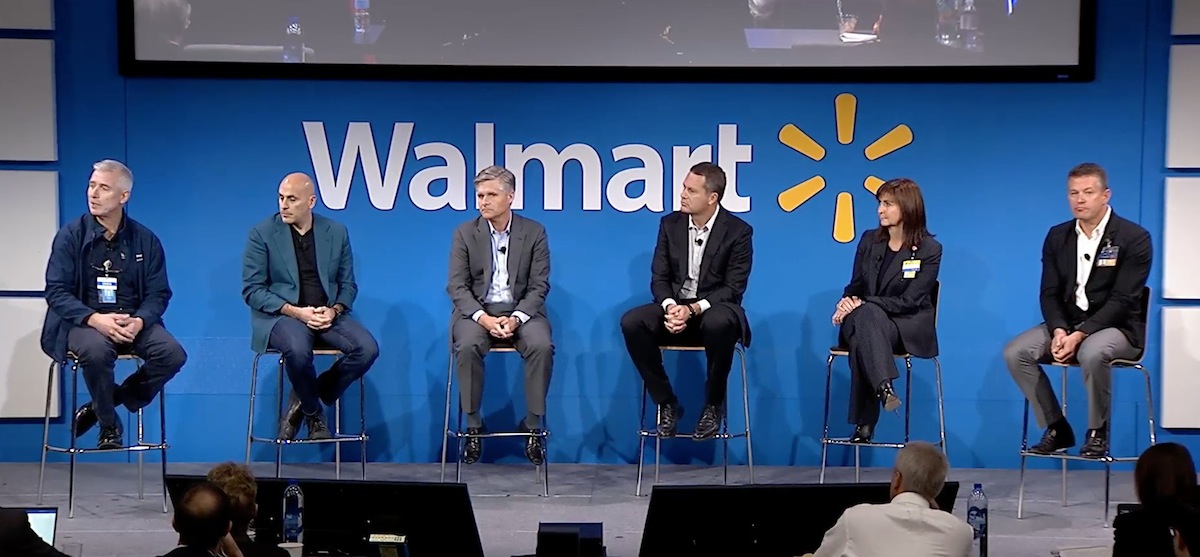
As the retail landscape undergoes a rapid digital transformation, the friction between corporate innovation and shareholder oversight has reached a critical juncture. Recently, investors at Walmart Inc. Voted to reject a proposal requiring the retail giant to publish a comprehensive report on the deployment of artificial intelligence in the workplace. This decision highlights a growing tension among stakeholders regarding the pace of workplace automation and its long-term implications for the company’s massive workforce.
The push for greater transparency comes at a time when automation in the United States is accelerating across almost every sector of the economy. From automated inventory management systems in distribution centers to AI-driven customer service interfaces, major employers are increasingly relying on machine learning to drive efficiency. For investors, the debate centers on a fundamental question: how do we balance the undeniable productivity gains of AI with the ethical and operational risks associated with large-scale labor displacement?
The Investor Debate: Transparency vs. Competitive Strategy
The shareholder proposal, which sought to compel Walmart to disclose the specific impacts of AI on its employees, was met with resistance from the board. Walmart’s leadership argued that the company already maintains robust internal governance regarding technology adoption and that such a report could potentially compromise proprietary business strategies. According to official preliminary voting results from the 2026 annual meeting, the measure failed to garner enough support to pass, reflecting a broader trend where shareholders prioritize management’s discretion in navigating the competitive AI landscape.
However, the existence of the proposal itself is indicative of a broader shift in institutional investing. ESG (Environmental, Social, and Governance) criteria have expanded to include “algorithmic accountability.” Proponents of the report argued that without clear disclosures, investors are effectively blind to potential liabilities, such as workforce churn, retraining costs, or reputational damage caused by poorly implemented AI tools. In the current economic climate, where labor markets are increasingly sensitive to technological disruption, these concerns are no longer niche; they are central to the conversation about corporate sustainability.
The Evolution of Automation in the U.S. Retail Sector
To understand why this vote matters, we have to look at the broader picture of American labor. The integration of robotics and generative AI is not merely a cost-saving measure; it is a fundamental reconfiguration of the retail job description. As someone who has spent years analyzing software architecture and digital innovation, I’ve observed that the most successful implementations are those that shift human workers from repetitive, manual tasks to more complex, high-value problem-solving roles. However, the transition period is often fraught with anxiety.

Industry data confirms that labor productivity in the retail trade sector has seen significant fluctuations tied to the adoption of new technologies. While automation can lead to higher throughput, it also requires a massive investment in human capital—specifically, retraining employees to work alongside these new systems. The concern among labor advocates is that the “human element” of the retail experience could be sacrificed for the sake of margins, leading to a decline in service quality that an algorithm cannot fully replicate.
Key Takeaways on AI Integration
- Governance Challenges: Boards are increasingly pressured to provide granular detail on AI ethics, a task that often conflicts with the need to keep deployment strategies confidential.
- Workforce Transition: The focus is shifting from “AI replacing jobs” to “AI augmenting tasks,” though the pace of this shift remains a point of contention for labor unions and worker advocacy groups.
- Investor Sentiment: While ESG concerns are rising, majority shareholders currently show a higher degree of trust in executive management to handle AI integration than in formal, public-facing reports.
What Happens Next: The Path Toward AI Accountability
The rejection of the report at Walmart does not signal the end of the conversation. In fact, it is likely just the beginning of a sustained dialogue between shareholders and corporate boards. As federal regulators, including the Federal Trade Commission (FTC), continue to monitor the impact of automated systems on labor markets, we should expect more standardized requirements for AI disclosure in the coming years. The FTC has already signaled an increased interest in how algorithmic management tools are used to monitor and discipline workers.
For the average consumer and employee, this means the environment will remain dynamic. Companies will continue to experiment with new technologies to stay competitive, while the pressure for “responsible AI” will likely move from shareholder proposals to potential legislative mandates. The next major checkpoint for these discussions will likely occur during the next cycle of annual proxy statements, where we may see revised versions of these proposals that address the specific concerns raised by the board during this recent vote.
As we navigate this transition, the intersection of software engineering and public policy will become increasingly critical. I am interested to hear your perspective: do you believe that transparency reports are the best way to ensure ethical AI deployment, or do they risk stifling the innovation necessary to keep companies competitive? Please share your thoughts in the comments below as we continue to track this evolving story.
Related reading