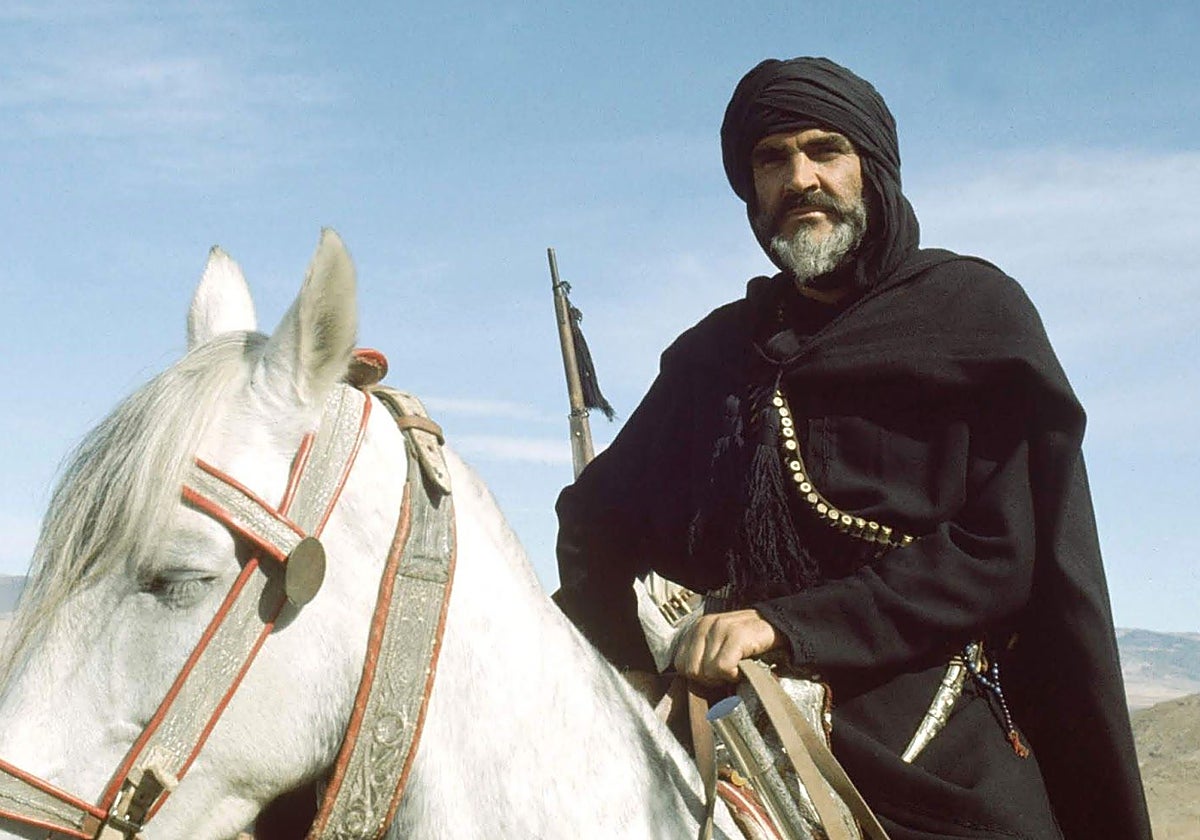
In the vast landscape of 20th-century cinema, certain films drift into the periphery, overshadowed by blockbuster franchises and the relentless churn of modern digital content. Yet, for those who appreciate the intersection of rugged craftsmanship and the sheer, magnetic force of a lead performer, the 1975 epic The Wind and the Lion remains a masterclass in the charisma of adventure. Directed by John Milius, the film serves as a testament to a bygone era of moviemaking, where practical sets, sweeping landscapes, and a singular, larger-than-life performance could anchor a historical narrative with unparalleled gravitas.
The film, which chronicles the kidnapping of an American woman and her children by a Berber chieftain in early 20th-century Morocco, is anchored by the late Sir Sean Connery. His portrayal of Mulai Ahmed er Raisuli is not merely a performance. it is a deliberate “shaking” of historical convention, blending the ferocity of a desert rebel with a sophisticated, philosophical wit. For audiences looking to revisit the golden age of adventure cinema, understanding why this title deserves a modern reappraisal requires looking past the lens of contemporary critique and into the raw, unvarnished craft of Milius’s direction.
The Milius Touch: Crafting the Cinematic Epic
John Milius has long been regarded as one of the most distinct voices of the “New Hollywood” generation. Known for his muscular, often hyper-masculine approach to storytelling—having contributed to the screenplays of Apocalypse Now and Dirty Harry—Milius brought a specific, disciplined aesthetic to The Wind and the Lion. His commitment to “the craft” is evident in every frame of the production, which was filmed extensively on location in Spain to replicate the Moroccan landscape of 1904, as noted in Turner Classic Movies’ production archives.
Milius’s direction relies on the belief that cinema should be an immersive experience. By prioritizing physical stunts, authentic costume design, and the use of natural light, the film avoids the artificiality that plagues many modern adventure epics. This dedication to physical production is what allows the film to hold up nearly five decades later. It is a reminder that when a director treats the “adventure” genre with the same seriousness as a historical drama, the result is a timeless piece of art that invites the audience to suspend their disbelief entirely.
Sean Connery: Beyond the Shadow of 007
For many, Sean Connery will forever be associated with the suave, tuxedoed elegance of James Bond. However, his role in The Wind and the Lion showcases a different facet of his immense talent. Playing Raisuli, Connery sheds the gadgetry and the refined British reserve to inhabit a man defined by his honor, his isolation, and his defiance against the encroachment of European colonial powers in North Africa. According to the American Film Institute, the film was released on May 22, 1975, marking a pivotal moment in Connery’s post-Bond career as he sought roles that demanded more emotional range and physical presence.
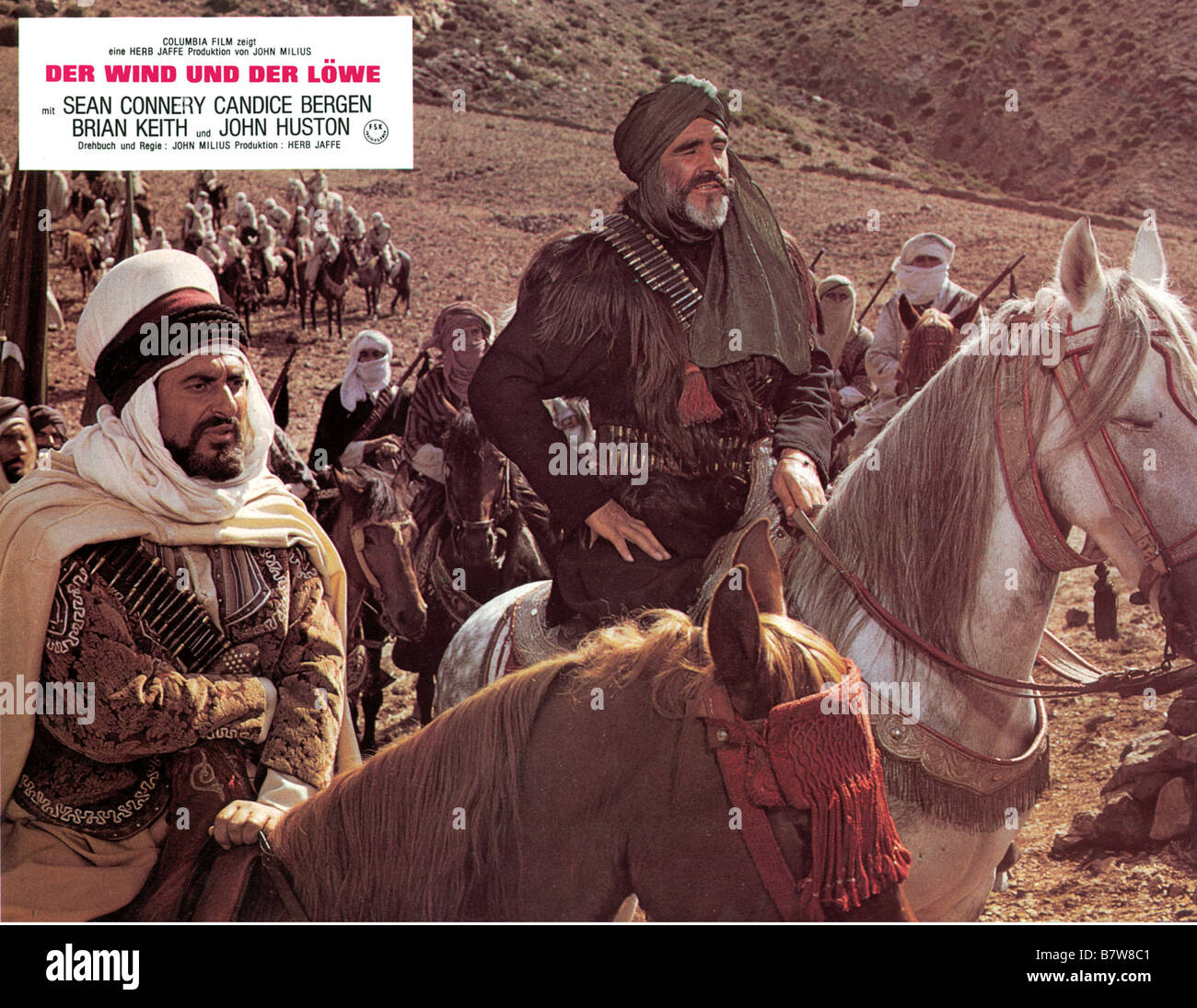
Connery’s portrayal is the beating heart of the film. He brings a tragic nobility to Raisuli, a man who knows his way of life is fading but refuses to surrender his dignity. When he “shakes” the history of the era, he is challenging the audience to see the conflict not as a simple clash of civilizations, but as a meeting of two different, yet equally stubborn, codes of honor. His chemistry with Candice Bergen, who plays the kidnapped Eden Pedecaris, provides the film with its moral and intellectual center, elevating the kidnapping plot into a debate about freedom, legacy, and the nature of power.
Why the Adventure Genre Still Matters
The “adventure” genre often gets dismissed as pure escapism, but at its best, it serves as a vehicle for exploring the human condition in extreme circumstances. The Wind and the Lion succeeds because it understands that the thrill of adventure is only as solid as the stakes involved. Whether it is the political maneuvering in the White House, featuring a fictionalized but spirited version of President Theodore Roosevelt played by Brian Keith, or the tense standoffs in the Moroccan desert, the film maintains a relentless pace.
In today’s media environment, where CGI often replaces the visceral impact of real-world environments, revisiting a film like this provides a necessary perspective on what makes a movie “stick.” The film stands as a reminder that:
- Authentic location shooting provides a tactile sense of place that digital sets struggle to replicate.
- A strong, singular director’s vision can unify disparate elements—history, action, and character—into a cohesive whole.
- Iconic performances, like Connery’s, can elevate a genre piece into a character-driven study of legacy and change.
The Historical Context: Fact vs. Fiction
while the film is based on the real-life Ion Perdicaris incident of 1904, Milius takes significant creative liberties. In reality, Ion Perdicaris was a man, not a woman, and the political fallout was handled quite differently by the Roosevelt administration. However, the film is not intended to be a documentary. As documented by the U.S. Department of State’s Office of the Historian, the actual “Perdicaris Affair” became a rallying cry for Roosevelt’s “Considerable Stick” diplomacy, a theme that Milius expertly weaves into the film’s climax.
By blending the factual kernel of the event with the romanticized spirit of the adventure genre, Milius creates a narrative that feels “true” to the spirit of the era, even if it deviates from the historical record. This represents the “charisma of the adventure”—the ability to take the dry facts of a diplomatic incident and transform them into a high-stakes drama that explores the tension between the individual and the state.
Key Takeaways for the Modern Viewer
- The Director’s Role: John Milius’s commitment to traditional filmmaking techniques remains a gold standard for the genre.
- Performance as Narrative: Sean Connery’s performance proves that a lead actor’s charisma can carry a film’s thematic weight.
- Genre Reappraisal: Adventure films are often undervalued; revisiting them reveals deep insights into how we view history and heroism.
- Historical Liberties: While inspired by the 1904 Perdicaris incident, the film prioritizes cinematic storytelling over strict historical accuracy.
As we look back at the cinematic landscape of the 1970s, The Wind and the Lion is a title that deserves to be pulled from the archives and shared with a new generation of film lovers. It is a reminder that cinema, at its most potent, is a blend of craft, charisma, and the courage to tell a story that feels larger than life. Whether you are a fan of Milius’s work or simply a lover of classic adventure, this film remains an essential viewing experience.
What are your favorite forgotten gems from the 1970s? Share your thoughts in the comments below, and let’s keep the conversation about classic cinema alive. For the latest updates on film restorations and retrospectives, stay tuned to our Entertainment section here at World Today Journal.
Related reading