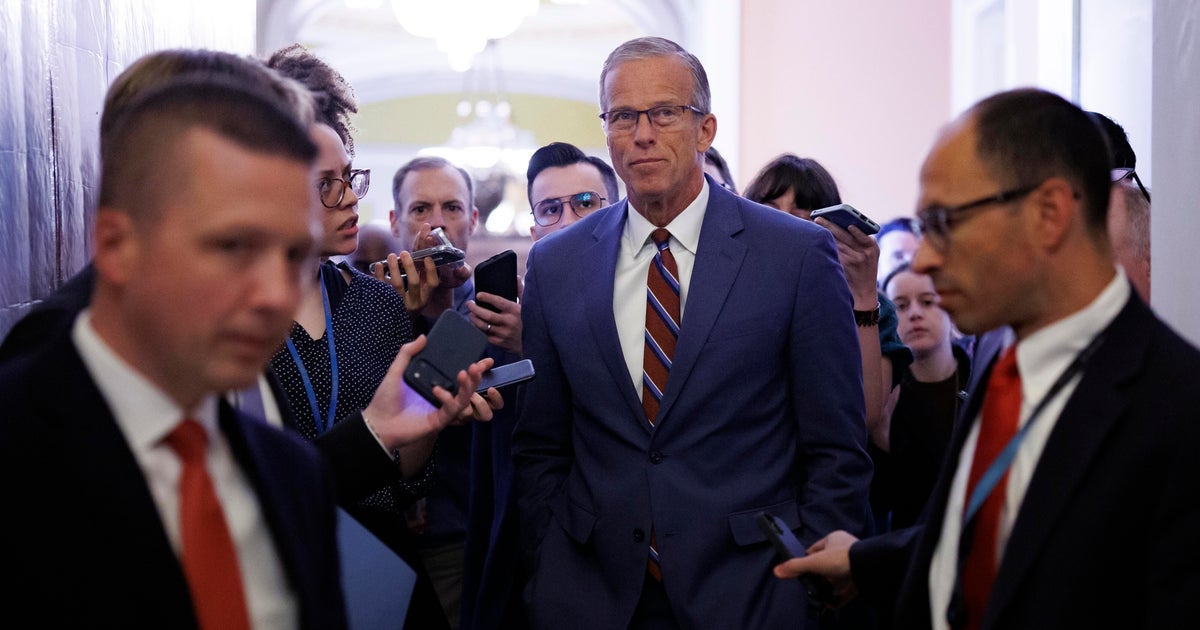
The United States Senate has engaged in a marathon series of rapid-fire votes—a process colloquially known as a “vote-a-rama”—as lawmakers navigate contentious debates over federal spending, immigration enforcement, and the scope of executive power. This legislative session, characterized by a high volume of amendments, centers on the broader appropriations process, with particular focus on the funding levels for U.S. Immigration and Customs Enforcement (ICE) and the Department of Justice (DOJ).
As the Senate works through these fiscal measures, the legislative landscape remains fraught with partisan friction. Recent activity has seen the chamber navigate a complex path toward advancing a government funding bill, even as internal disagreements over specific line items—including proposed adjustments to executive branch budgets—continue to shape the negotiations. These deliberations occur against a backdrop of heightened scrutiny regarding how federal agencies utilize their allocated resources, particularly in the context of immigration policy and internal agency oversight.
Debate Over Executive Branch Funding
A primary point of contention during the current session has been the pushback against proposed fiscal allocations for what some lawmakers have termed an “anti-weaponization” fund. This fund, often discussed in relation to the broader Department of Justice budget request, has faced significant resistance from opposition members who argue that such spending lacks sufficient transparency and could lead to executive overreach. In a recent test of party unity, the Senate moved to defeat an amendment that sought to explicitly ban the use of these funds, signaling a victory for the current legislative leadership’s fiscal priorities.
The debate is not merely about the dollar amounts involved, but rather the underlying philosophy of government oversight. For many, the focus remains on ensuring that the DOJ and other federal agencies operate within clearly defined statutory boundaries. The legislative process here serves as a mechanism for the Senate to exercise its constitutional “power of the purse,” forcing public votes on controversial budgetary items that might otherwise be bundled into larger, less transparent packages. By forcing these votes, members of both parties are attempting to clarify their positions on the record regarding agency accountability.
Immigration Enforcement and ICE Allocations
Central to the ongoing Senate floor activity is the funding for U.S. Immigration and Customs Enforcement. ICE, a component of the Department of Homeland Security, represents a significant portion of the federal domestic security budget. The current legislative push involves evaluating the agency’s operational requirements against the backdrop of changing border security needs and evolving immigration policy. According to the Department of Homeland Security’s fiscal year 2025 budget request, the allocation for immigration enforcement remains a critical component of the administration’s request for border management and interior enforcement capabilities.
The “vote-a-rama” format allows senators to offer amendments that might not otherwise reach the floor, often resulting in politically charged votes that highlight the deep ideological divide regarding immigration. While the Senate has moved to advance the broader funding package, the specific amendments regarding ICE underscore the difficulty in reaching a bipartisan consensus on how to handle the logistical and humanitarian challenges at the U.S. Border. These votes often serve as a barometer for how each party intends to frame their immigration platforms ahead of future election cycles.
Fiscal Discipline and Federal Appropriations
Beyond the high-profile disputes over agency funding, the Senate has also been tasked with the more mundane, yet essential, work of reconciling federal appropriations. This includes identifying areas where potential savings can be found, even within the executive branch’s own infrastructure projects. For instance, recent deliberations saw lawmakers successfully move to curb spending on specific non-essential items, such as adjustments to White House facility maintenance budgets, as part of a broader effort to demonstrate fiscal responsibility to the electorate.
The process of reconciling these budgets is a multi-step procedure governed by the Congressional Budget and Impoundment Control Act of 1974. This act establishes the timeline and rules for the budget resolution process, which ultimately dictates how federal money is spent throughout the fiscal year. As the Senate continues its work, the challenge for leadership will be to maintain the necessary coalition to pass these bills before the expiration of current funding authorizations, thereby avoiding a potential government shutdown.
Key Issues at a Glance
- Budgetary Oversight: Ongoing scrutiny of DOJ funds, specifically regarding claims of departmental “weaponization.”
- ICE Funding: Continued debate over the scale and scope of interior enforcement resources.
- Legislative Strategy: Use of the “vote-a-rama” process to force public stances on contentious amendments.
- Fiscal Responsibility: Bipartisan efforts to identify and cut non-essential executive branch expenditures.
What Happens Next
With the current phase of the “vote-a-rama” concluding, the Senate is expected to move toward a final passage of the appropriations bill. Following this, the legislation must be reconciled with any version passed by the House of Representatives. If the two chambers produce differing versions of the spending package, a conference committee will be formed to negotiate a final compromise. This bill will then require the signature of the President to become law, as per the established constitutional legislative process.
Readers are encouraged to monitor the official Senate roll call vote records for the most accurate and up-to-date information on how individual senators voted on these amendments. As this story develops, we will continue to provide updates on the fiscal trajectory of the federal government. We invite you to share your thoughts in the comments section below regarding the balance between agency funding and congressional oversight.