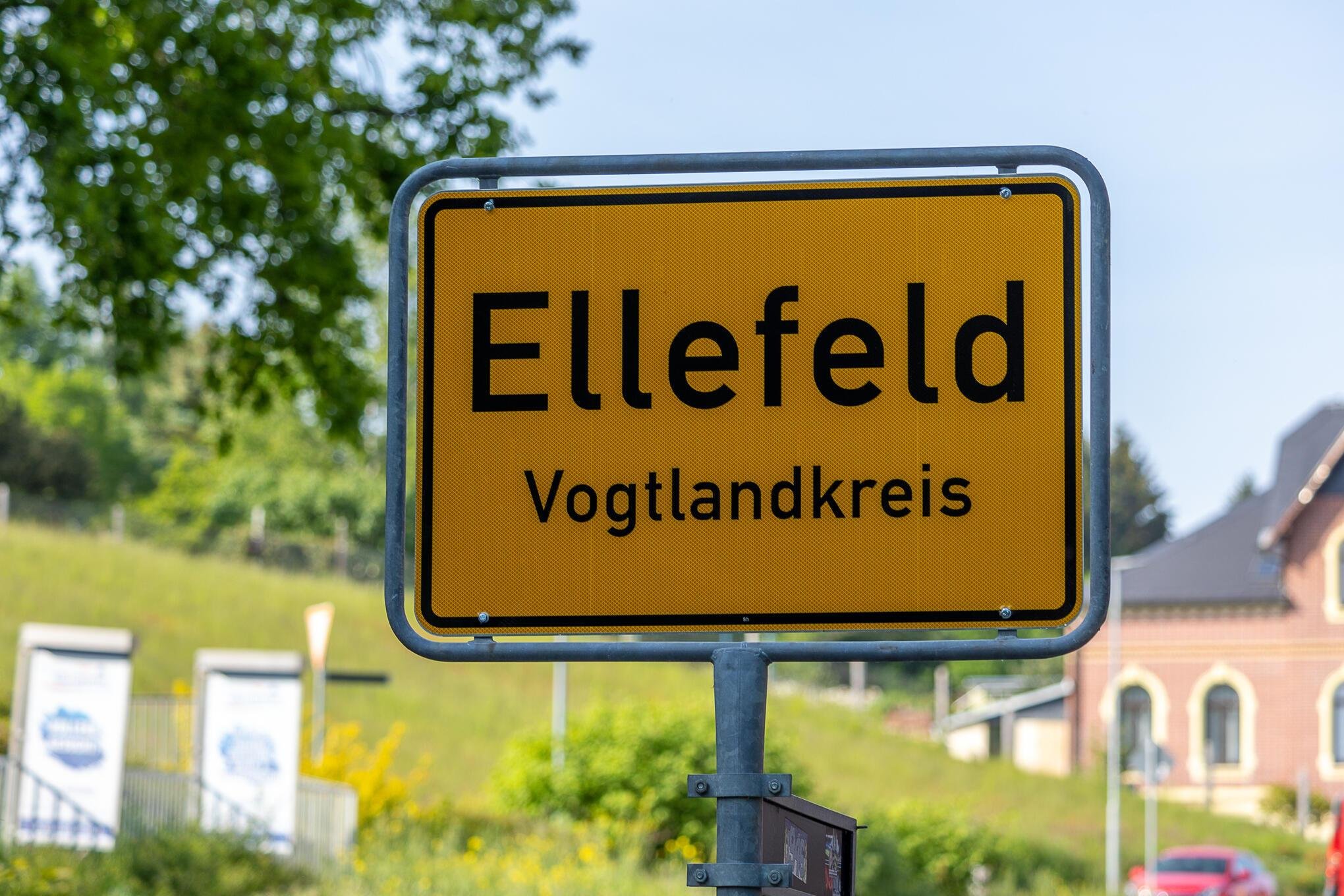
The financial stability of local governance in Germany is facing a rigorous test as small municipalities grapple with a widening gap between stagnant revenues and surging operational costs. A recent development in the locality of Ellefeld serves as a microcosm of this systemic fiscal strain: the community has been forced to signal that it must take on new debt to balance its budget for the 2026 fiscal year.
This decision in Ellefeld is not an isolated incident but rather a symptom of a much broader economic trend currently unsettling local governments across the Federal Republic. As municipalities face a “pincer movement” of rising expenditures—driven by energy volatility, inflationary pressures on personnel, and increased social service demands—the ability to maintain essential services without recourse to borrowing is rapidly diminishing.
For the residents of Ellefeld and similar localities, the move toward new debt in 2026 represents a critical juncture in local economic policy. It raises fundamental questions about the long-term sustainability of municipal spending and the efficacy of current fiscal frameworks in an era of permanent economic transition.
The Anatomy of a Municipal Budget Crisis
To understand why a locality like Ellefeld is being pushed toward debt, one must look at the structural shifts in municipal expenditure. While tax revenues from local business activity and property taxes provide the bedrock of municipal funding, these streams have struggled to keep pace with the rapid escalation of costs in several key sectors.
Rising Personnel and Operational Costs: One of the primary drivers of the current budgetary tension is the necessity of adjusting public sector wages to keep pace with national inflation. As labor costs rise, so does the budgetary burden on local administrations to maintain staff for essential services such as administration, public works, and local security. The cost of maintaining public infrastructure—from road repairs to the heating of municipal buildings—has been significantly impacted by the volatility in European energy markets.
The Social Mandate: German municipalities are tasked with significant social responsibilities, including the integration of displaced persons and the provision of social welfare support. As the demand for these services fluctuates and grows, the financial burden falls disproportionately on local budgets, which often lack the elasticity to absorb sudden spikes in demand without compromising other areas of spending.
The Infrastructure Deficit: For years, many German localities have operated on “lean” budgets, deferring maintenance on aging infrastructure to balance books. This “investment backlog” has now reached a breaking point. The cost of materials and specialized labor for construction and maintenance has surged, meaning that even routine repairs now require significantly higher capital outlays than in previous cycles.
The German Context: The ‘Schuldenbremse’ and Fiscal Constraints
The difficulty in managing these rising costs is compounded by Germany’s strict constitutional framework regarding public debt. The Schuldenbremse, or “debt brake,” which was introduced to limit the structural deficit of the federal and state governments, also places significant constraints on the ability of municipalities to borrow for anything other than specific, permitted investments.

While the debt brake is designed to ensure long-term fiscal discipline and prevent the accumulation of unsustainable debt levels, critics argue that it can become counterproductive during periods of high inflation and economic transformation. When municipalities are forced to borrow to cover essential operational deficits—rather than for productive investments like new schools or digital infrastructure—it can lead to a cycle of “consumption debt” that is difficult to erode.
From an economic standpoint, the situation in Ellefeld highlights the tension between the legal requirement for fiscal prudence and the practical reality of maintaining a modern, functional local state. When the cost of “business as usual” exceeds the available revenue, the legal and economic boundaries of the debt brake become a central point of contention for local policymakers.
| Cost Driver | Economic Mechanism | Impact on Local Budgets |
|---|---|---|
| Energy Prices | Market volatility in natural gas and electricity | Increased costs for heating and lighting public facilities. |
| Personnel Costs | Inflation-linked wage adjustments | Higher recurring administrative and service expenditures. |
| Social Services | Increased demand for welfare and integration | Unpredictable and rising mandatory spending requirements. |
| Infrastructure | Construction material inflation | Higher capital requirements for deferred maintenance. |
The Economic Implications for Local Communities
The shift toward debt for the 2026 budget carries several long-term implications that extend beyond simple accounting. For a locality like Ellefeld, the decision to borrow is a strategic maneuver with significant trade-offs.

Interest Rate Sensitivity: In a higher-interest-rate environment, the cost of servicing new debt is substantially higher than it was during the decade of near-zero rates. This means that a larger portion of future tax revenues will be diverted toward interest payments rather than being reinvested into the community. This “interest trap” can limit a municipality’s ability to respond to future economic shocks.

Service vs. Tax Trade-offs: When debt is used to cover operational shortfalls, the alternative—to avoid debt—is often a choice between significant service cuts or increased local taxation. Both options carry economic risks: service cuts can reduce the local area’s attractiveness to businesses and residents, while tax hikes can dampen local consumer spending and economic growth.
The Creditworthiness Factor: While small municipalities often have stable credit profiles, a consistent trend of borrowing for operational needs can eventually impact their ability to secure favorable terms for large-scale infrastructure projects. Maintaining a balance between necessary investment and sustainable debt levels is the primary challenge for modern municipal leadership.
Key Takeaways: The Municipal Fiscal Challenge
- Systemic Pressure: Localities like Ellefeld are experiencing a widespread trend of rising costs outpacing local tax revenues.
- Operational vs. Investment Debt: The primary concern is the shift toward using debt to cover essential running costs rather than long-term capital investments.
- Regulatory Constraints: Germany’s Schuldenbremse limits the flexibility of local governments to respond to these fiscal pressures.
- Long-term Risks: Higher interest rates and the cost of debt servicing pose a threat to the future availability of municipal funds for community services.
Looking Ahead: The Path to Fiscal Stabilization
As Ellefeld prepares its financial roadmap for 2026, the focus will likely shift toward identifying new revenue streams and implementing rigorous cost-containment measures. For many German municipalities, this may also involve seeking increased financial transfers from state governments to bridge the gap created by national economic shifts.
The ability of local governments to navigate this period of volatility will be a key indicator of the broader resilience of the German economy at the grassroots level. Whether through structural reform, increased state support, or local efficiency gains, the resolution of these budget deficits will define the quality of public life in these communities for the next decade.
The next scheduled checkpoint for municipal budget planning in many German regions will involve the preliminary discussions of the 2026 fiscal frameworks in upcoming local council sessions.
What are your thoughts on the rising cost of local governance? Should national governments provide more support to municipalities facing these pressures? Share your views in the comments below and share this article with your network.
Worth a look