
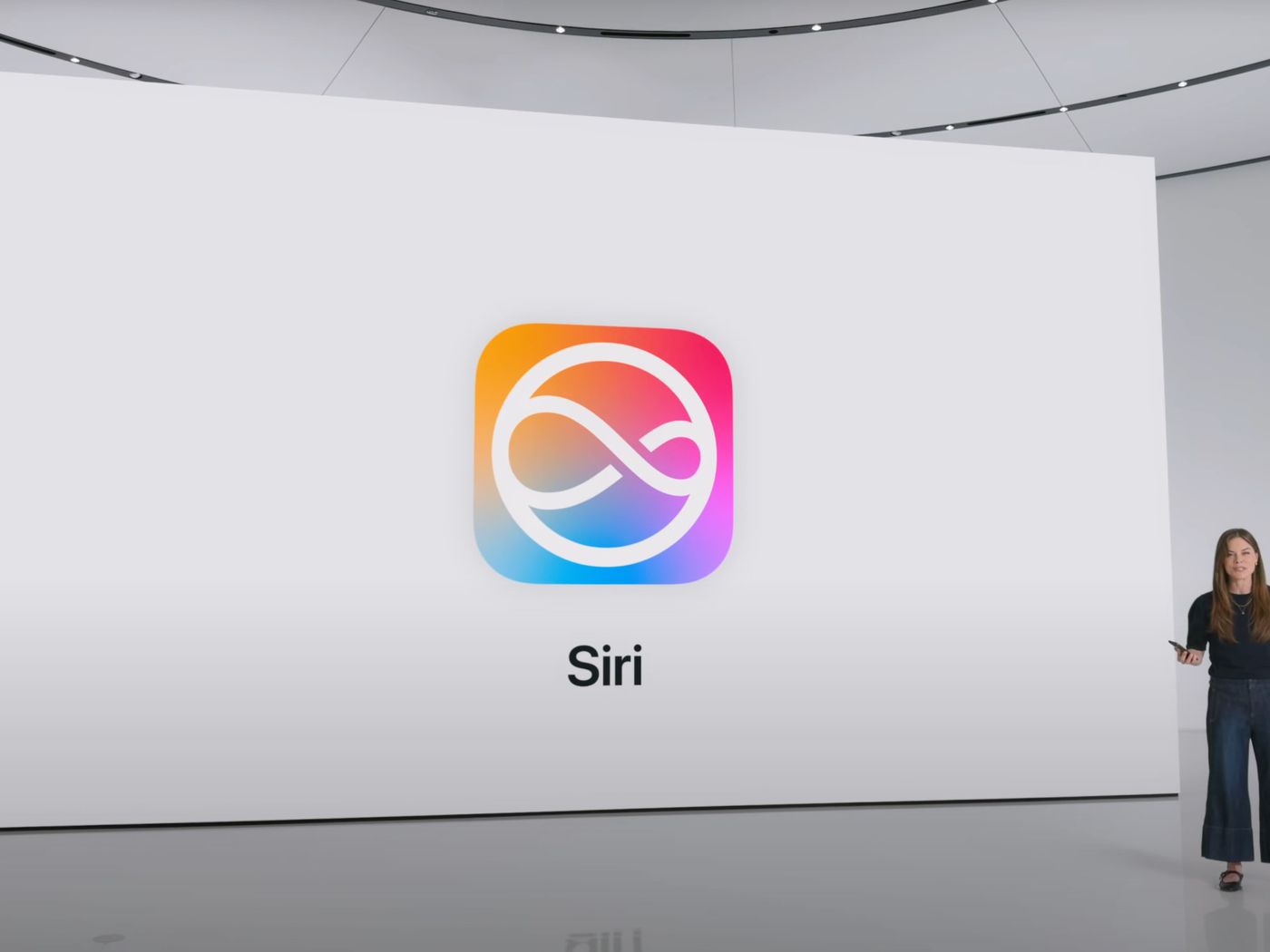
As the technology community turns its attention toward the upcoming Worldwide Developers Conference (WWDC), speculation regarding the next iteration of Apple’s mobile operating system has reached a fever pitch. With anticipation mounting for the unveiling of iOS 27, recent reports suggest that Apple may introduce a gated access model for its highly anticipated next-generation Siri features, potentially requiring users to join a waitlist before gaining entry to the updated artificial intelligence capabilities.
For long-time observers of Apple’s software development cycle, this potential shift represents a departure from the company’s traditional broad-release strategy. By managing access to advanced AI tools through a waitlist, the Cupertino-based tech giant could be aiming to balance server-side infrastructure demands with the need for a controlled rollout of complex machine learning features. As we approach the official announcement, the industry is closely watching how these AI integrations will reshape the user experience across the iPhone ecosystem.
Managing Expectations for the Next-Generation Siri
The integration of advanced artificial intelligence into consumer hardware has become a primary focus for major technology firms. If the reports regarding a waitlist for Siri materialize, it would align with a broader industry trend of “staged rollouts,” where software features are introduced to subsets of users to monitor performance, accuracy, and system stability. This approach is particularly relevant for large language models and generative AI, which require significant computational resources and rigorous testing to ensure reliable performance.


While Apple has yet to provide official confirmation regarding the specifics of the iOS 27 rollout, the prospect of a waitlist highlights the technical hurdles involved in deploying sophisticated AI at scale. According to Apple’s official newsroom, the company consistently prioritizes privacy and performance in its software design. A waitlist could serve as a mechanism to gather user feedback while maintaining the high standards expected of the iOS platform.
For developers and power users, the potential for a beta-style access requirement suggests that the most advanced functionalities might not be available to all users on “day one” of the public release. Instead, Apple may opt to prioritize those who are most active in providing telemetry and feedback, ensuring that the final version of Siri is optimized for a diverse range of linguistic and functional tasks.
The Evolution of the iOS Ecosystem
Beyond the potential for a Siri waitlist, the broader conversation surrounding iOS 27 centers on how Apple plans to deepen its commitment to on-device intelligence. Current iterations of Apple software, such as those detailed in the latest iOS technical documentation, demonstrate a clear focus on “Liquid Glass” design aesthetics and increased automation in everyday tasks. These features have already begun to change how users interact with their devices, from automated call screening to live translation capabilities.
The shift toward AI-driven interaction is not just about convenience; This proves about creating a more cohesive, context-aware environment. As users transition between various Apple devices throughout their day, the expectation for a seamless experience—where the device anticipates needs before they are explicitly stated—has never been higher. If the new Siri is indeed gated, it will likely be positioned as a “pro” or “early adopter” feature, signaling a transition toward a more tiered software experience within the Apple ecosystem.
What So for the Global User Base
For the average consumer, the possibility of a waitlist raises important questions about accessibility. Will these features be limited by region, device model, or language? Historically, Apple has been cautious about the global rollout of its most advanced services, often prioritizing English-speaking markets before expanding to international territories. A waitlist could exacerbate these disparities if not managed with a transparent roadmap for global availability.
However, from a software engineering perspective, such limitations are often necessary to ensure the integrity of the user experience. By managing the number of active users during the initial phases, Apple can refine the underlying algorithms, improve response times, and address edge cases that are difficult to replicate in a closed development environment. This measured approach may ultimately result in a more polished, reliable, and secure product for the global market.
As the tech industry prepares for the upcoming keynote, the focus remains on how these advancements will balance innovation with the company’s established reputation for intuitive, user-friendly design. Whether or not a waitlist is implemented, the next chapter of iOS will undoubtedly be defined by how effectively Apple navigates the complexities of modern artificial intelligence.
Official details and confirmation regarding the iOS 27 release schedule, device compatibility, and the rollout of new Siri features are expected to be provided during the upcoming WWDC keynote presentation. We will continue to track these developments as more information becomes available. We invite our readers to share their thoughts in the comments section below—are you prepared to join a waitlist for the next evolution of Siri, or do you prefer immediate, universal access to new features?