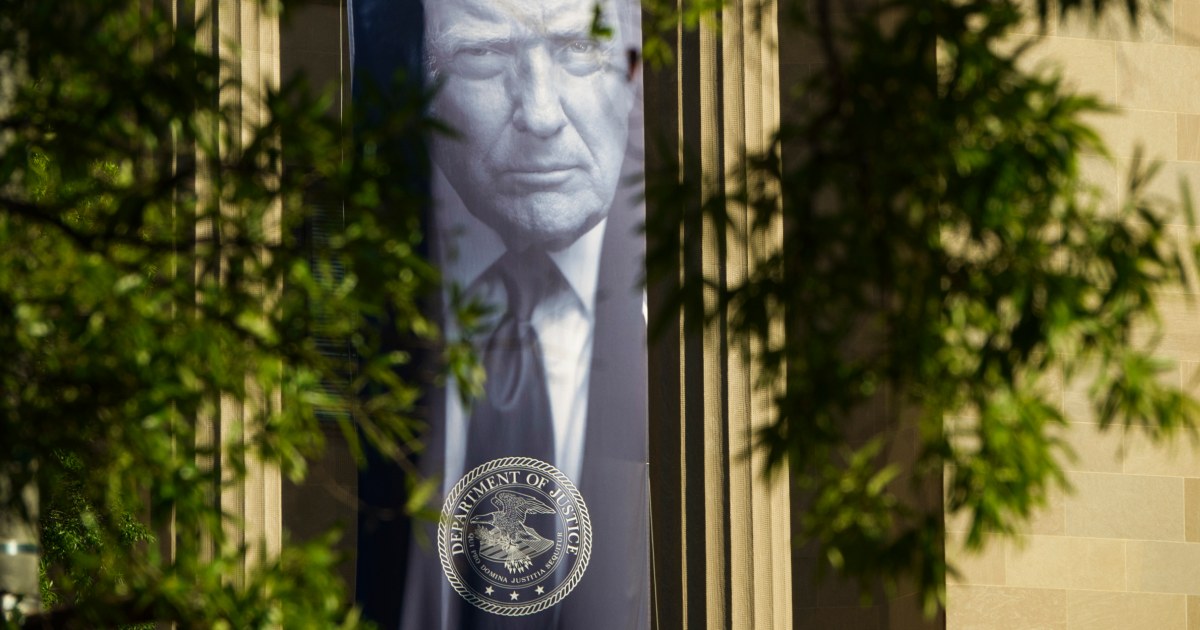
The legal landscape surrounding the ongoing prosecution of individuals involved in the January 6, 2021, breach of the United States Capitol remains complex, particularly regarding the mechanisms for government settlements and the potential for federal payouts. While recent legislative and administrative discussions have focused on the status of various funds and budgetary allocations, the question of whether the Department of Justice (DOJ) could still facilitate payments to January 6 defendants—even in the absence of a specific “anti-weaponization” fund—has sparked significant debate among legal experts and policymakers.
For those tracking the federal response to the Capitol riot, the core issue centers on how the government manages litigation settlements and the extent to which existing legal statutes permit the use of various accounts to resolve claims. The U.S. Department of Justice, which is tasked with the enforcement of federal laws and the administration of justice, continues to operate under strict budgetary oversight, ensuring that any expenditure of taxpayer funds complies with established congressional mandates and the Anti-Deficiency Act.
Navigating Federal Settlement Mechanisms
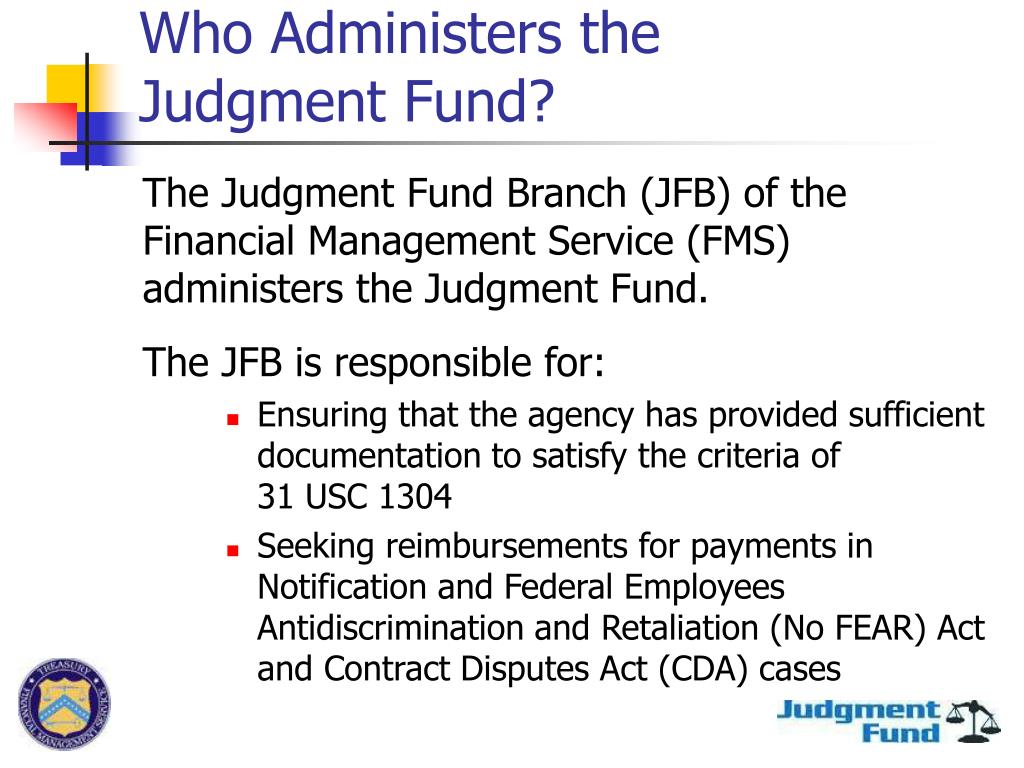
The discussion regarding potential payouts often conflates distinct legal processes. In the federal system, the government may enter into settlement agreements to resolve civil litigation, which are typically funded through the Judgment Fund, a permanent, indefinite appropriation available to pay final judgments against the United States. According to the U.S. Department of the Treasury, the Judgment Fund is specifically designed to cover court-ordered awards and settlements where no other source of funds is available. This process is distinct from discretionary agency-specific funding or legislative “anti-weaponization” provisions that have been proposed in various congressional circles.

For observers, We see critical to distinguish between criminal sentencing—which involves fines and restitution paid by defendants to the government or victims—and civil claims brought by defendants against the government. In the latter, the DOJ defends the United States against allegations of misconduct. If a settlement is reached in a civil rights or tort claim, the payment process is governed by specific criteria set forth in 31 U.S.C. § 1304. These mechanisms are standard operating procedures for the federal government and are not unique to any specific group of litigants, including those charged in connection with the January 6 events.
The Role of Congressional Oversight
Recent scrutiny from lawmakers regarding the potential for “weaponization” of these funds reflects a broader tension between the executive and legislative branches. Members of Congress have expressed concerns that settlement funds could be used to compensate individuals who were later convicted of federal crimes. However, the DOJ maintains that its litigation strategies are dictated by the merits of the legal claims and the potential risk to the government at trial, rather than political considerations.

The Government Accountability Office (GAO) provides resources on the application of appropriations law, which serves as the primary guardrail against the improper use of federal funds. Any suggestion that the DOJ could bypass these established fiscal controls to issue payments to defendants without a legitimate legal basis faces significant constitutional and statutory hurdles. The current oversight environment requires that any settlement reached by the DOJ involving significant sums must undergo rigorous internal review and, in many cases, notification to relevant congressional committees.
Accountability and the Rule of Law
As of June 2026, the Department of Justice continues to manage one of the largest criminal investigations in American history. The DOJ’s ongoing reporting on Capitol breach cases provides a transparent look at the number of individuals charged, the nature of the offenses, and the status of various court proceedings. These records underscore the department’s commitment to holding individuals accountable for actions taken on January 6, 2021, while navigating the complexities of the federal judiciary.
The debate over potential payouts is likely to persist as long as civil litigation remains active. However, legal analysts note that the mere existence of a lawsuit does not imply a payout is forthcoming. The government frequently files motions to dismiss such claims, arguing that sovereign immunity or other legal defenses protect the United States from liability. The ultimate resolution of these matters rests with the federal courts, which operate independently of the political pressures surrounding the January 6 investigation.
Key Considerations for the Public
- Legal Standards: All federal settlements must adhere to the Judgment Fund requirements and the Anti-Deficiency Act.
- Judicial Oversight: Claims brought by defendants against the government are subject to the scrutiny of federal judges, who determine the validity of the allegations.
- Transparency: The DOJ publishes regular updates on its litigation and enforcement actions, which serve as the official record for the public.
Moving forward, the next significant checkpoint for these cases will involve upcoming status hearings and motions practice in the U.S. District Court for the District of Columbia. We will continue to monitor these court filings and provide updates as new information becomes available through official judicial and departmental channels. We invite our readers to share their perspectives on the intersection of fiscal policy and legal accountability in the comments section below.
Worth a look