
In an era where the media landscape is undergoing seismic shifts, Black-owned media organizations are navigating a period of profound instability. From shrinking advertising budgets to a broader, challenging climate for diversity, equity, and inclusion (DEI) initiatives, the institutions that have historically documented the Black experience are facing a critical fight for survival. This trend of investment scarcity and technological disruption has created an urgent need for structural support, leading to the rise of the Black-Owned Media Equity and Sustainability Institute (BOMESI).
Founded by industry veterans Rhonesha Byng and Dévon Johnson, BOMESI serves as a dedicated nonprofit organization focused on supporting the ecosystem of Black-owned media. By providing resources and infrastructure, the institute aims to ensure these publishers are not only visible but also financially sustainable. As the media industry grapples with the impact of widespread layoffs and shifting corporate priorities, the work being done to preserve these platforms is becoming increasingly vital for the future of equitable representation in journalism.
Building Sustainability Through Strategic Infrastructure
The mission of BOMESI centers on ecosystem building and infrastructure development to help Black-owned media companies secure their place in the modern advertising market. According to the organization’s mission, this work involves facilitating deal flow and increasing total investment into media companies that serve diverse communities. By focusing on the business side of publishing, the institute helps founders navigate an industry that has historically excluded them from core conversations regarding advertising, and growth.
Rhonesha Byng and Dévon Johnson have utilized their extensive professional experience to create a support system that goes beyond simple networking. Their approach includes a structured accelerator program designed to offer a comprehensive, hands-on experience for publishers. This program provides participants with targeted mentorship, technical coaching, and direct financial support to help them scale their operations. By focusing on the practicalities of business growth, the accelerator helps these media outlets remain competitive in a rapidly evolving digital landscape.
Mobilizing Culture: The 2026 Summit
A cornerstone of the institute’s outreach is the annual BOMESI Summit, which brings together industry leaders, media buyers, and content creators to discuss the future of diverse media. The 2026 edition of the summit is scheduled to take place in Detroit, Michigan, from June 3 through June 6. This year, the event is framed around the theme “Mobilizing Culture: The 5.3 Trillion Opportunity For Media & Brands,” highlighting the significant economic influence held by multicultural consumers and the role Black-owned media plays in connecting brands to these audiences authentically.
The summit acts as a bridge between independent publishers and the broader advertising industry. By creating a space for direct engagement with media buyers and account leads at major agencies, the event provides essential exposure that can lead to long-term partnerships. As noted by organizers, the goal is to move past short-term visibility and foster lasting sustainability through consistent deal flow and collaborative training opportunities.

The Accelerator Program and Long-Term Growth
Beyond the annual summit, the BOMESI accelerator program offers a deeper level of engagement for publishers looking to professionalize their business models. The program typically spans 12 weeks, during which selected publishers participate in workshops, receive 1:1 mentorship, and gain access to strategic services. This “white glove” experience is designed to help founders master the advertising side of their business, turning their platforms into sustainable enterprises capable of weathering industry-wide volatility.
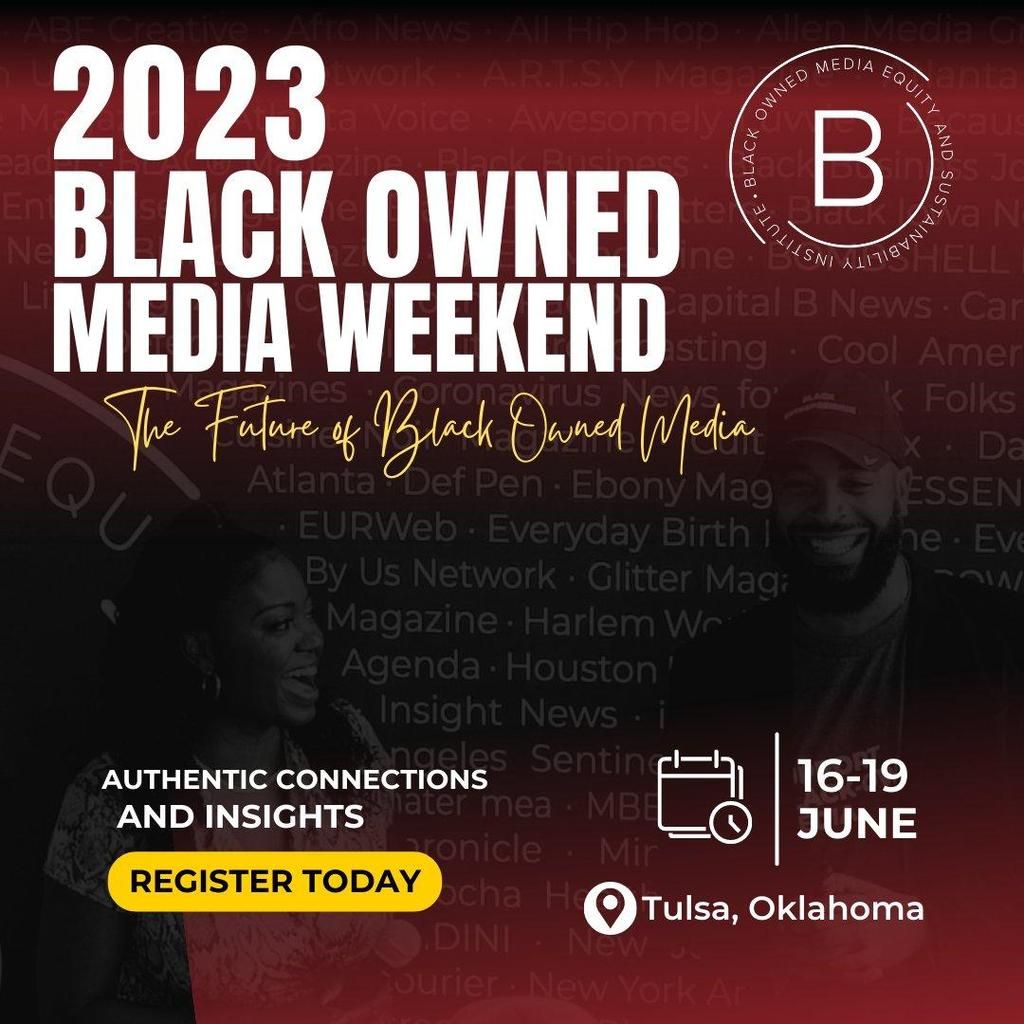
The commitment to sustainability is further reinforced by year-round support, including webinars, training sessions, and facilitated meetings. By prioritizing partnerships that yield actual revenue for participants, BOMESI ensures that its impact is measurable and lasting. The organization has grown from a small list of sites to a network encompassing over 350 outlets, reflecting the scale of the need and the effectiveness of the community-focused model developed by Byng and Johnson.
What Happens Next
As the media industry continues to evolve, the demand for equitable access to advertising revenue and professional development remains high. For those interested in the ongoing work of the institute, the next cohort for the accelerator program is scheduled to launch in the spring of 2026, with applications opening in February. The BOMESI Foundation continues to facilitate industry partnerships and educational resources to support the growth of independent, community-rooted media.

The path forward for Black-owned media is undoubtedly complex, requiring both internal resilience and external support from the broader advertising ecosystem. Through initiatives like the summit and the accelerator, BOMESI is creating a framework for transparency and accountability that serves the interests of founders, journalists, and the communities they represent. We will continue to track these developments as the next cohort cycle begins and the impact of these programs on the media landscape becomes more apparent.
Have thoughts on the future of independent media or the role of equity in advertising? Join the conversation in the comments section below and share this report with your network.
Worth a look