Ukraine is prepared to share its battlefield-tested drone technology and manufacturing expertise with Nordic and Baltic allies to bolster regional defense capabilities. President Volodymyr Zelenskyy’s proposal to leaders of the Nordic-Baltic Eight (NB8) marks a strategic shift from Ukraine receiving military aid to Ukraine providing technological solutions for European security.
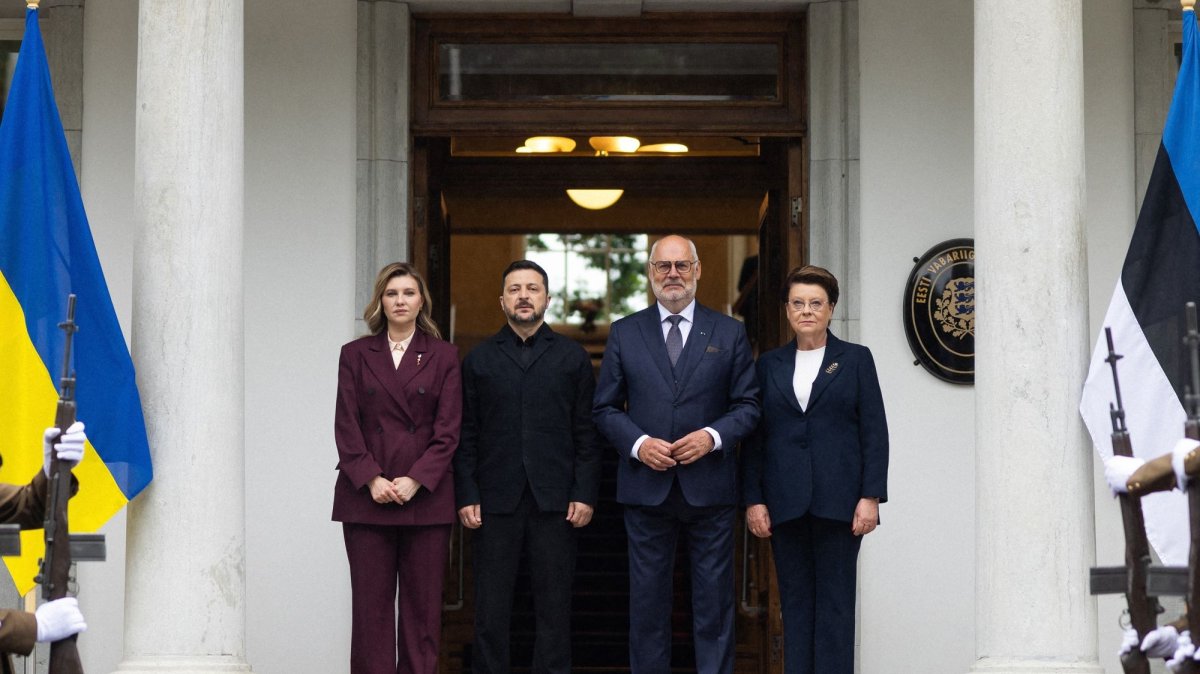
During a regional summit held in Estonia on Tuesday, President Volodymyr Zelenskyy met with leaders from the Nordic and Baltic states to discuss a new framework for defense cooperation. The discussions focused on the transfer of unmanned aerial vehicle (UAV) technology and the establishment of joint production lines to ensure a steady supply of combat-proven systems for the region.
The move comes as Kyiv seeks to transition from a consumer of Western military hardware to a central hub for defense innovation. By offering to share technical data and manufacturing processes, Ukraine aims to integrate its rapid-response development cycles with the industrial capacity of its northern allies.
Why is Ukraine offering drone technology to its allies?
The proposal is driven by a need to move beyond the “donation model” of military assistance toward a “co-production model.” According to diplomatic sources at the Estonia summit, the current model of sending older or surplus Western equipment is insufficient for the evolving nature of modern electronic warfare.
Ukraine has developed a highly specialized ecosystem of drone manufacturers that have survived and thrived under constant Russian bombardment. By sharing this expertise, Ukraine aims to create a localized defense industry within the Baltic and Nordic regions. This would reduce reliance on long supply chains and ensure that the technology being used is specifically designed to counter Russian electronic warfare (EW) tactics.
This shift serves two primary purposes: it provides Ukraine with a way to sustain its defense industry through international partnerships, and it provides the Baltic and Nordic states with access to technology that has been refined in the most intense combat environment in Europe today. The goal is to create a “defense technology corridor” that links Ukrainian innovation with European industrial scale.
What specific drone capabilities are being discussed?
The discussions in Estonia reportedly centered on three primary categories of unmanned systems: First-Person View (FPV) drones, long-range strike UAVs, and reconnaissance platforms integrated with advanced electronic warfare countermeasures.
FPV drones have become a decisive factor on the Ukrainian battlefield, offering low-cost, high-precision strikes against armored vehicles and infantry. While these drones are relatively inexpensive to produce, the software and signal processing required to keep them operational in “jamming-heavy” environments are highly sophisticated. Ukraine is looking to share the specific frequency-hopping and signal-resilience protocols that allow their drones to function despite heavy Russian interference.
Long-range strike drones, which have allowed Ukraine to target logistics hubs and airfields deep within Russian territory, represent a second area of interest. These systems require complex navigation and autonomous flight capabilities. Sharing this technology would allow Nordic and Baltic allies to enhance their own long-range surveillance and strike deterrents, particularly in the sensitive Baltic Sea region.
Furthermore, the integration of drone technology with electronic warfare is a critical component. As both sides in the conflict deploy increasingly powerful jamming equipment, the ability to develop “counter-countermeasures” is essential. Ukraine’s ability to iterate software updates in real-time—often within days of a new jamming threat being identified—is a capability it intends to export to its allies.
How will this cooperation affect regional security?
The potential for technology sharing has significant implications for the security architecture of Northern Europe. For the Baltic states—Estonia, Latvia, and Lithuania—the integration of Ukrainian drone technology could provide a much-needed layer of asymmetric defense against potential Russian aggression.
The Baltic region is geographically narrow and faces significant challenges regarding deep defense. Low-cost, mass-produced drone swarms could provide these nations with a way to contest airspace and monitor borders more effectively without the massive capital expenditure required for traditional air defense systems. This approach aligns with the strategic goals of the Nordic-Baltic Eight to strengthen the eastern flank of NATO.
For the Nordic countries, including Sweden and Finland, the cooperation offers a way to integrate their advanced defense industries with the practical, combat-hardened lessons learned in Ukraine. This partnership could lead to new joint ventures between Ukrainian tech startups and established European defense contractors, fostering a more resilient and technologically advanced European defense market.
| Feature | Traditional Aid Model | Proposed Technology Sharing Model |
|---|---|---|
| Primary Focus | Transfer of existing hardware/surplus | Transfer of IP, software, and manufacturing processes |
| Speed of Innovation | Slow (dependent on Western procurement cycles) | Rapid (combat-driven iterations) |
| Economic Impact | One-way financial flow to donors | Two-way industrial co-production and investment |
| Sustainability | Limited by stockpiles | Scalable through local manufacturing |
What are the challenges to implementing these agreements?
Despite the strategic advantages, several hurdles remain for the implementation of these technology-sharing agreements. The primary challenge is the protection of intellectual property (IP) and the security of sensitive military data. Ensuring that highly classified Ukrainian drone software does not fall into the wrong hands during the transfer process will require rigorous security protocols and oversight from both Ukrainian and NATO intelligence agencies.
There is also the issue of industrial standardization. For Ukrainian-designed drones to be effectively utilized by Nordic and Baltic militaries, they must meet strict NATO interoperability standards. This means that the rapid, “scrappy” development style used by Ukrainian tech firms must be reconciled with the highly regulated and standardized manufacturing processes of the European defense industry.
Finally, the political landscape in some Western capitals remains a factor. While the Baltic and Nordic states are among Ukraine’s most vocal supporters, the long-term commitment required for joint industrial ventures involves significant capital and political willpower. Establishing these partnerships will require more than just diplomatic agreements; it will necessitate long-term investment in joint manufacturing facilities and research and development hubs.
The next major checkpoint for these discussions is expected to occur during the upcoming defense ministerial meetings, where technical working groups will begin to outline the specific legal and security frameworks required for the transfer of dual-use and military drone technologies.
What are your thoughts on Ukraine’s shift toward becoming a defense technology exporter? Share your views in the comments below and share this article with your network.
Keep reading