
The U.S. House of Representatives is moving toward a final vote on a $70 billion federal funding package designed to sustain President Donald Trump’s immigration enforcement agenda through the remainder of his current term. The legislation, which follows weeks of internal negotiations among Republican lawmakers, provides the financial framework for expanded detention operations, border security initiatives, and interior enforcement actions conducted by Immigration and Customs Enforcement (ICE) and Customs and Border Protection (CBP), according to official congressional legislative records.
This funding measure arrives as the administration seeks to solidify its operational capacity for immigration-related mandates. The package includes significant budgetary allocations for personnel, infrastructure, and technology aimed at managing border apprehensions and increasing the pace of deportations. House leadership has prioritized the bill to ensure that the executive branch has the necessary resources to carry out its stated immigration enforcement strategy without facing immediate fiscal cliffs before the end of the president’s term, as reported by the House Committee on Appropriations.
Legislative Context and Fiscal Scope
The $70 billion allocation represents a substantial commitment of federal taxpayer dollars toward the administration’s immigration objectives. The bill serves as a reconciliation of prior funding disputes that stalled progress for several weeks, reflecting a shift in legislative strategy to bundle enforcement priorities into a single, comprehensive vote. According to reporting from Reuters, the funds are earmarked specifically for the operational costs of ICE detention facilities and the deployment of additional tactical units at the U.S.-Mexico border.
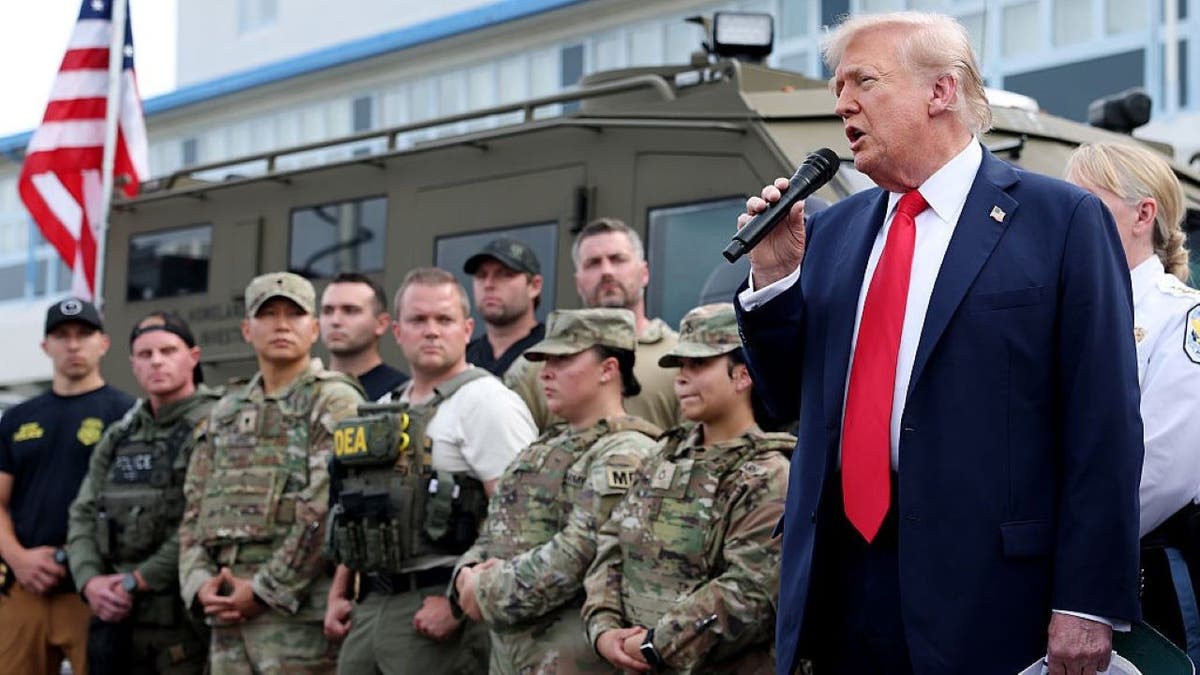
The legislative process has been marked by a series of Republican-led efforts to overcome procedural hurdles. While the bill’s passage is expected to be largely along party lines, the debate has centered on the urgency of the funding versus the long-term sustainability of the programs being financed. Supporters of the bill argue that the current volume of immigration activity necessitates an immediate increase in resources to maintain public safety and national security standards, a position detailed in recent Senate and House budget briefings.
Implications for Enforcement Operations
For the Department of Homeland Security (DHS), the passage of this bill would provide the legal authority to commit funds that have been the subject of intense political debate. The funding is expected to bolster the agency’s ability to process, detain, and remove individuals who lack legal status, according to the Department of Homeland Security’s own budget justifications. Critics of the package, including various advocacy groups, have expressed concerns regarding the humanitarian impact of such high-level spending on detention and enforcement, noting that the focus on volume-based outcomes may overshadow other potential policy approaches.

The practical application of these funds will likely be visible in the increased frequency of enforcement operations in both border regions and interior cities. By securing these funds for the remainder of the presidential term, the administration aims to remove fiscal uncertainty as a factor in its enforcement planning. The Immigration and Customs Enforcement (ICE) agency has previously indicated that its operational tempo is directly tied to the availability of congressional appropriations, making this vote a critical checkpoint for executive action.
How the Funding is Distributed
The $70 billion package is structured to address multiple facets of the immigration system. The following table outlines the primary areas of expenditure as identified in current legislative summaries:
| Category | Primary Objective |
|---|---|
| ICE Detention Operations | Expanding bed capacity and administrative processing. |
| Border Infrastructure | Technology upgrades and physical security enhancements. |
| Personnel and Training | Hiring additional agents and support staff for field operations. |
| Transportation and Removal | Logistical support for international repatriation flights. |
These figures are drawn from the House Appropriations Committee reports detailing the specific line items within the current reconciliation bill. Each category is subject to oversight by the Government Accountability Office (GAO), which monitors the expenditure of federal funds to ensure compliance with existing statutes and administrative law.
Next Steps and Congressional Oversight
Following the House vote, the bill will proceed to the Senate for consideration. The timeline for this transition depends on the legislative calendar and the floor schedule set by Senate leadership. Observers note that while the House has moved to finalize its version of the funding, the Senate may introduce its own amendments, which would then require a conference committee to reconcile the two versions before the bill can reach the president’s desk for signature, as per the standard federal legislative process.
The public can monitor the progress of this bill through the official Congress.gov portal, which provides real-time updates on vote tallies, committee transcripts, and final text versions of the legislation. As the debate continues, stakeholders and citizens are encouraged to review the official filings to understand the specific impacts on immigration policy and federal spending. Further details regarding the implementation of these funds will be released by the White House and the Department of Homeland Security once the legislation is enacted into law.
We welcome your thoughts on these developments. Share your perspective or questions in the comments section below to join the conversation on the future of U.S. immigration policy.
Worth a look