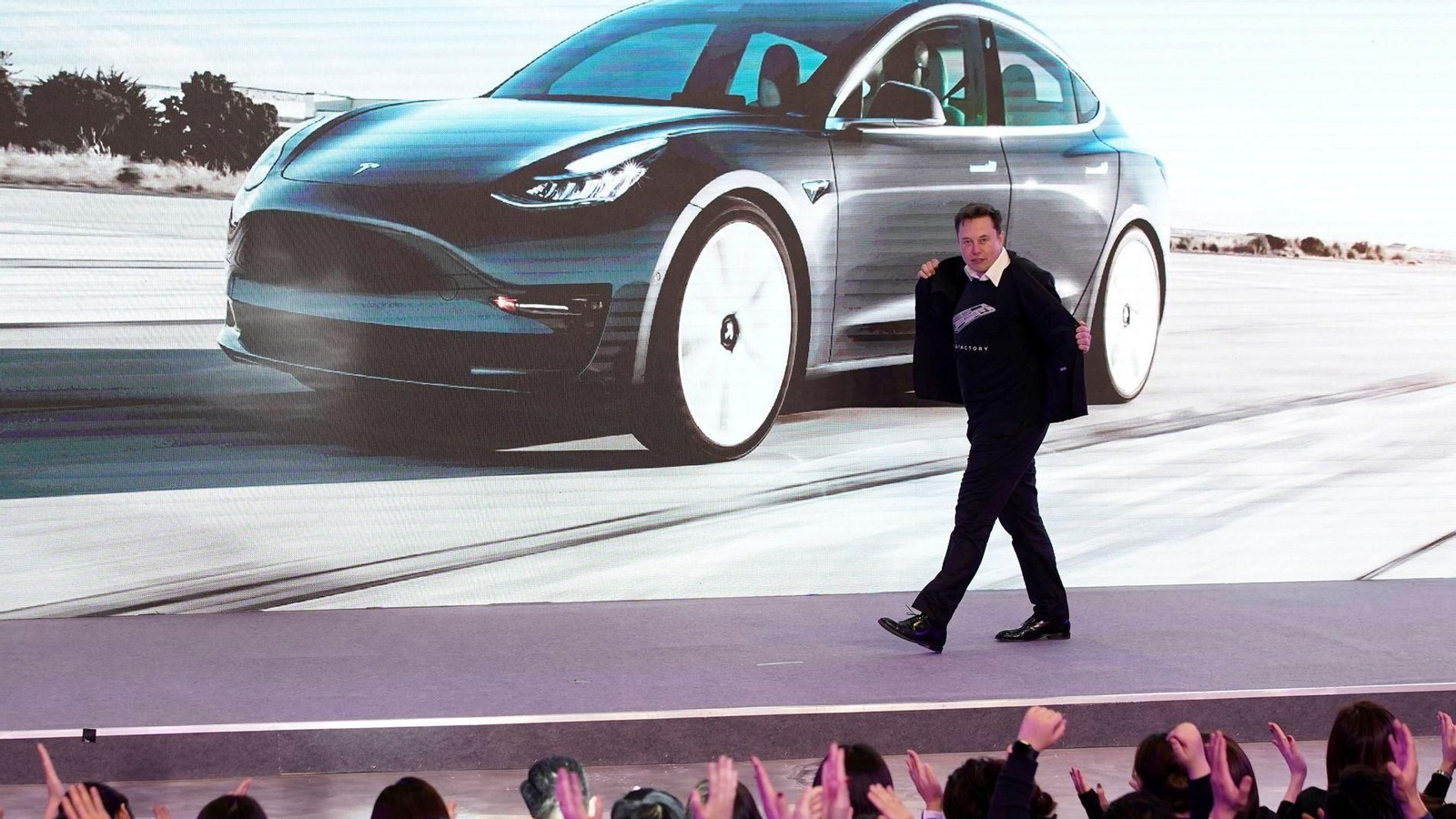
Tesla’s Model Y has secured the top spot in South Korea’s imported vehicle sales rankings for the first half of 2024, marking a significant shift in the domestic automotive landscape. According to registration data from the Korea Automobile Importers & Distributors Association (KAIDA), the electric SUV outperformed traditional internal combustion engine vehicles, signaling a rapid acceleration in local consumer adoption of battery-electric technology.
Elon Musk, CEO of Tesla, acknowledged the milestone on social media, noting the brand’s strong performance in the South Korean market. The achievement reflects broader trends in the East Asian automotive sector, where government subsidies and expanding charging infrastructure have incentivized a transition toward zero-emission transport. As of mid-2024, the Model Y remains a focal point for industry analysts tracking the competitiveness of foreign-made electric vehicles against established domestic manufacturers like Hyundai and Kia.
Market Dynamics and Sales Performance
The success of the Model Y in South Korea is largely attributed to its competitive pricing strategy and the consistent expansion of the Supercharger network. Data published by the Ministry of Land, Infrastructure and Transport indicates that electric vehicle registrations have grown steadily, with Tesla capturing a significant share of the premium imported segment. Unlike previous years, where European luxury sedans dominated the import charts, the Model Y has demonstrated that utility-focused electric SUVs now hold broad appeal among Korean consumers.
Industry experts suggest that the recent price adjustments made by Tesla globally have played a critical role in maintaining this momentum within the Korean market. By aligning the vehicle’s cost with local subsidy thresholds, Tesla has effectively lowered the barrier to entry for potential buyers. This strategy has forced domestic competitors to reconsider their own pricing structures and delivery timelines to maintain market share in the increasingly crowded electric vehicle space.
Impact on the Domestic Automotive Industry
The rise of Tesla in South Korea has created a ripple effect across the local supply chain and retail sector. Domestic giants Hyundai Motor Group and Kia Corporation continue to lead the total market volume, but the specific success of the Model Y highlights a vulnerability in the imported vehicle segment, which was historically reserved for internal combustion engine luxury cars. According to reports from Reuters, the shift toward electric platforms is prompting local manufacturers to accelerate their own software-defined vehicle initiatives to compete with Tesla’s integrated ecosystem.
Furthermore, the maintenance and service infrastructure for electric vehicles is evolving. As Tesla expands its service footprint, independent repair shops and local suppliers are adjusting to the specialized needs of high-voltage battery systems. This transition is not merely about sales figures; it represents a fundamental change in consumer expectations regarding vehicle connectivity, over-the-air updates, and autonomous driving features that Tesla has popularized globally.
What Lies Ahead for Electric Vehicle Adoption
The next phase of the South Korean electric vehicle market will likely be defined by the availability of next-generation battery technology and the expansion of high-speed charging infrastructure. The government has committed to long-term carbon neutrality goals, which include continued financial support for electric vehicle purchases. However, as the market matures, the focus is expected to shift from early-adopter incentives to broad-scale infrastructure accessibility, particularly in dense urban residential areas.
For potential buyers and industry observers, upcoming quarterly earnings reports and KAIDA registration updates will provide the next clear indicator of whether this trend is sustainable or if domestic manufacturers will regain ground with their own upcoming electric SUV lineups. Market analysts are also monitoring global supply chain stability, which remains a key factor in delivery lead times for all major automakers operating in the region.
We invite our readers to share their perspectives on the shift toward electric vehicles in the comments section below. How do you view the balance between imported technology and domestic automotive heritage in your local market?
- Trump, Netanyahu, and the Saudi Nuclear Deal: A Relationship Under Strain
- Europe’s “Sixth Generation” Wildfires: Record Seasons and Economic Crisis
- Why CD Sales Are Suddenly Outgrowing Vinyl's in 2026 (daybreakwire.com)
- COP33 and South Korea Host Three Major International Conferences on Global Economy Oceans and Climate in 2023 (archyde.com)