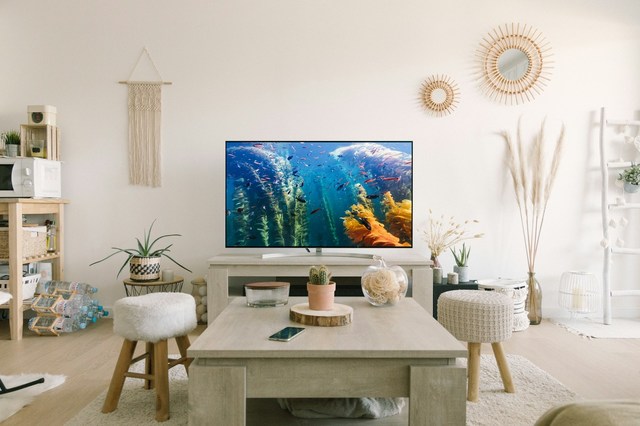
The evolution of display technology has fundamentally restructured the domestic environment, transforming the living room from a static space for broadcast reception into a multifaceted digital hub. As screen resolution, panel technology, and integrated connectivity have advanced, the way households interact with media, gaming, and remote work has shifted toward a personalized, high-fidelity experience. According to data from the Consumer Technology Association (CTA), consumer spending on hardware continues to prioritize large-format displays and high-performance screens, reflecting an ongoing reliance on these devices as the primary interface for home entertainment.
The Technological Shift in Home Display Standards
For decades, the cathode ray tube (CRT) defined the limits of home viewing. The transition to liquid crystal display (LCD) and, more recently, organic light-emitting diode (OLED) technology has enabled thinner, more energy-efficient, and sharper images. Industry research from Display Daily indicates that the market has moved decisively toward 4K and 8K resolutions, which provide pixel densities that significantly exceed the human eye’s ability to discern individual dots at standard viewing distances. This shift is not merely aesthetic; it has changed user behavior by allowing for larger screens in smaller physical footprints, effectively turning wall space into interactive windows for streaming services and cloud-based applications.
The integration of high-dynamic-range (HDR) technology has further impacted how content is produced and consumed. Unlike older standards, HDR allows for a broader spectrum of color and brightness, forcing manufacturers to improve panel performance to meet consumer expectations for cinematic quality at home. As noted in a report by the International Telecommunication Union (ITU), these hardware improvements have necessitated global standards for data compression and transmission to ensure that the increased bandwidth requirements of high-resolution video do not degrade the user experience.
Integration of Artificial Intelligence and Smart Connectivity
Modern screens are no longer passive output devices; they are now sophisticated computing platforms equipped with artificial intelligence (AI) processors. These chips handle real-time image upscaling, noise reduction, and motion smoothing, often adjusting picture settings based on ambient light conditions measured by integrated sensors. According to market analysis by Gartner, the inclusion of dedicated neural processing units (NPUs) in consumer electronics has become a standard feature for flagship models, enabling voice control, gesture recognition, and predictive content suggestions.
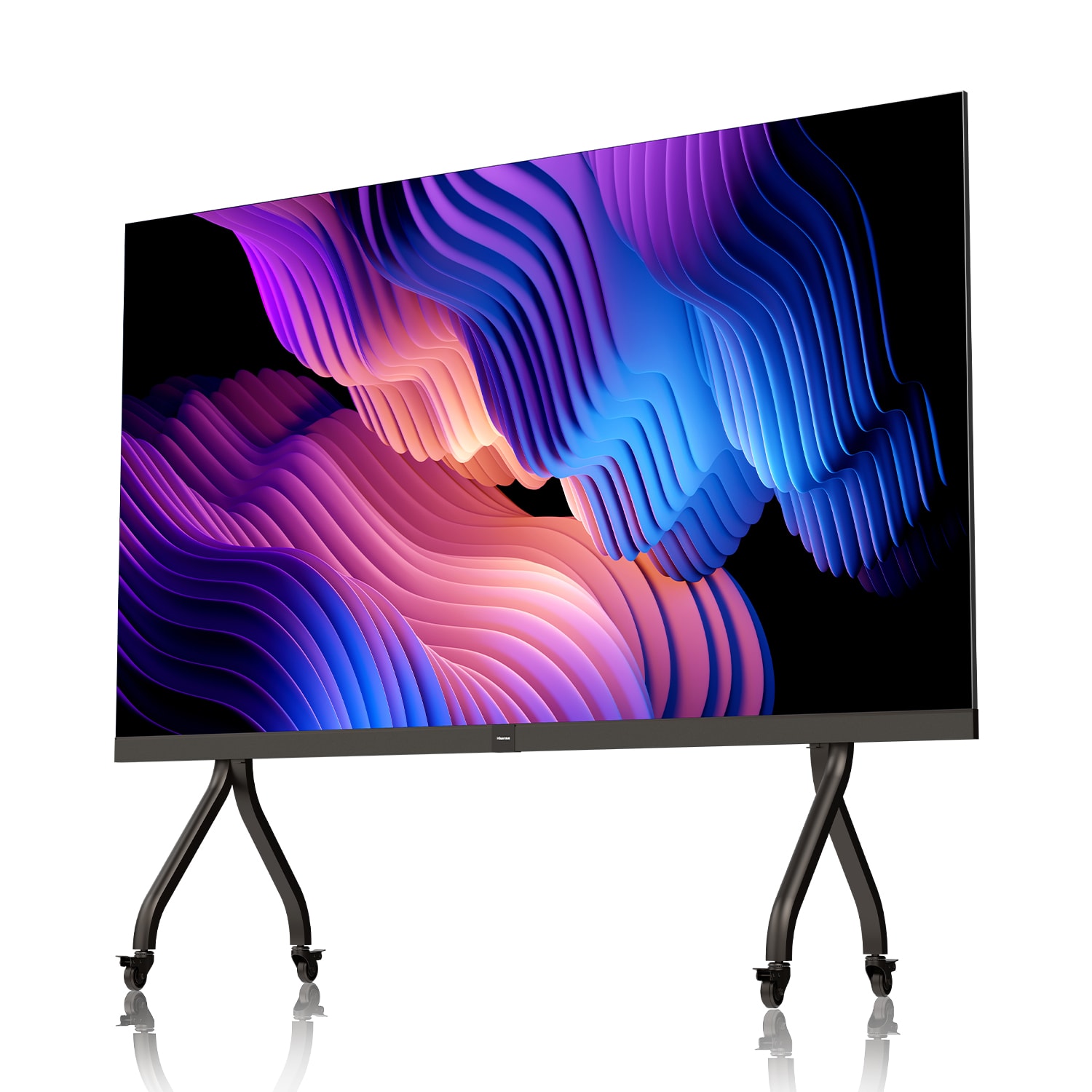
This connectivity has created a “smart ecosystem” where the screen acts as the central controller for other home devices. From lighting and thermostat management to monitoring security cameras, the modern display serves as a dashboard. The Connectivity Standards Alliance, which manages the Matter protocol, has reported that the interoperability of these devices is a primary driver for consumer retention, as users increasingly expect their display to communicate seamlessly with mobile devices and smart home controllers.
Impact on Household Social Dynamics and Usage Patterns
The ubiquity of high-quality displays has altered how families utilize communal areas. Where television was once a synchronous, scheduled activity, the rise of on-demand streaming and multi-user profile systems has allowed for asynchronous, personalized consumption. Research published by Pew Research Center highlights that while the physical presence of the “television” remains a fixture in most homes, the duration of its use for broadcast media has declined in favor of interactive applications and gaming.
Gaming, in particular, has pushed screen hardware to innovate faster than traditional broadcast media. High refresh rates (120Hz and above) and low-latency modes (ALLM) are now standard requirements for gaming-centric displays. These features have been adopted by manufacturers across their entire product lines, benefiting non-gamers through smoother interfaces and more responsive menu navigation. The Entertainment Software Association (ESA) reports that the demographics of gamers are expanding, which in turn influences the design trends of home displays to better accommodate competitive and casual play.
Future Developments in Display Technology
Looking ahead, the industry is moving toward micro-LED technology, which promises the self-emissive benefits of OLED without the risk of image retention or brightness limitations. While currently relegated to high-end and commercial applications, the manufacturing scale is projected to increase over the next three to five years. According to the Semiconductor Industry Association, continued investment in wafer-level manufacturing and miniaturization will be the primary factor in reducing the cost of these panels for the mass market.

The next major checkpoint for the industry will be the upcoming Consumer Electronics Show (CES), where manufacturers will showcase the next generation of AI-integrated displays and energy-efficient panel designs. These events typically set the benchmark for consumer hardware pricing and feature sets for the following year. For those interested in tracking how these advancements may affect future home upgrades, official white papers on display standards and energy efficiency mandates are available through the U.S. Department of Energy’s Appliance and Equipment Standards Program.
Stay informed about the latest developments in display hardware by subscribing to our technology newsletter. We welcome your thoughts on how your home setup has evolved in the comments below.