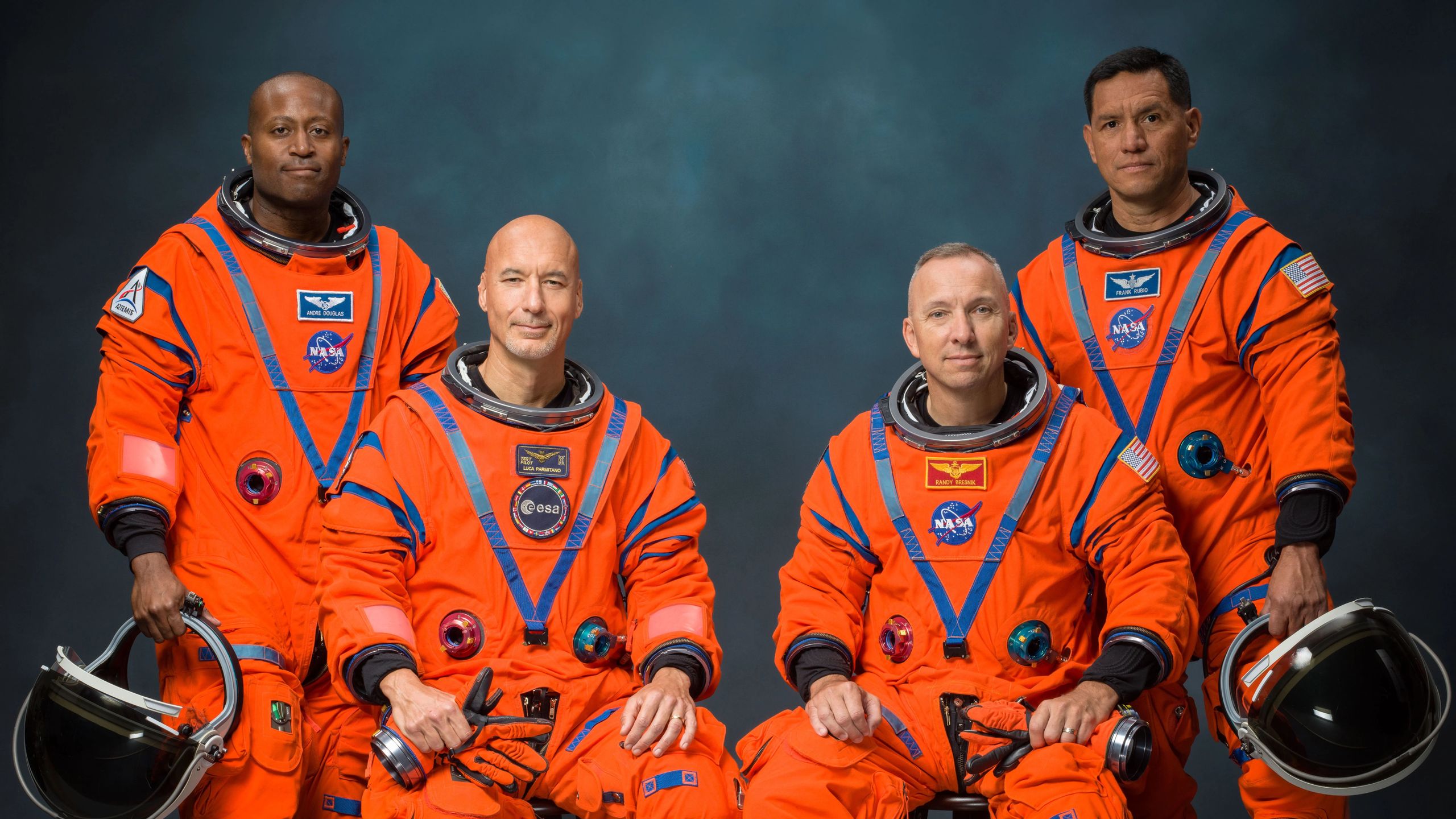
NASA is advancing preparations for its Artemis III mission, the program’s first crewed lunar landing, by coordinating critical docking tests with commercial lunar landers. While the agency has not yet officially named the specific astronauts who will walk on the lunar surface for Artemis III, NASA is currently finalizing preparations for the Artemis II crewed flyby and testing docking technologies with partners including SpaceX and Blue Origin.
The Artemis III mission represents a significant leap in space exploration, aiming to land the first woman and the first person of color on the Moon. To achieve this, NASA is relying on a complex architecture that involves the Space Launch System (SLS) rocket, the Orion spacecraft, and commercial Human Landing Systems (HLS) developed by private aerospace companies. According to NASA mission timelines, these components must successfully undergo a series of orbital docking and landing tests before a crew can be safely deployed to the lunar South Pole.
Who will fly the Artemis III mission?

While the specific crew for the Artemis III landing mission has not been announced, NASA has already confirmed the astronauts for the preceding Artemis II mission. The Artemis II crew, scheduled to conduct a lunar flyby in 2025, consists of Commander Reid Wiseman, Pilot Victor Glover, Mission Specialist Christina Koch, and Mission Specialist Jeremy Hansen of the Canadian Space Agency. These four astronauts will serve as a vital precursor, testing the Orion spacecraft’s life support and communication systems in deep space before the Artemis III descent.
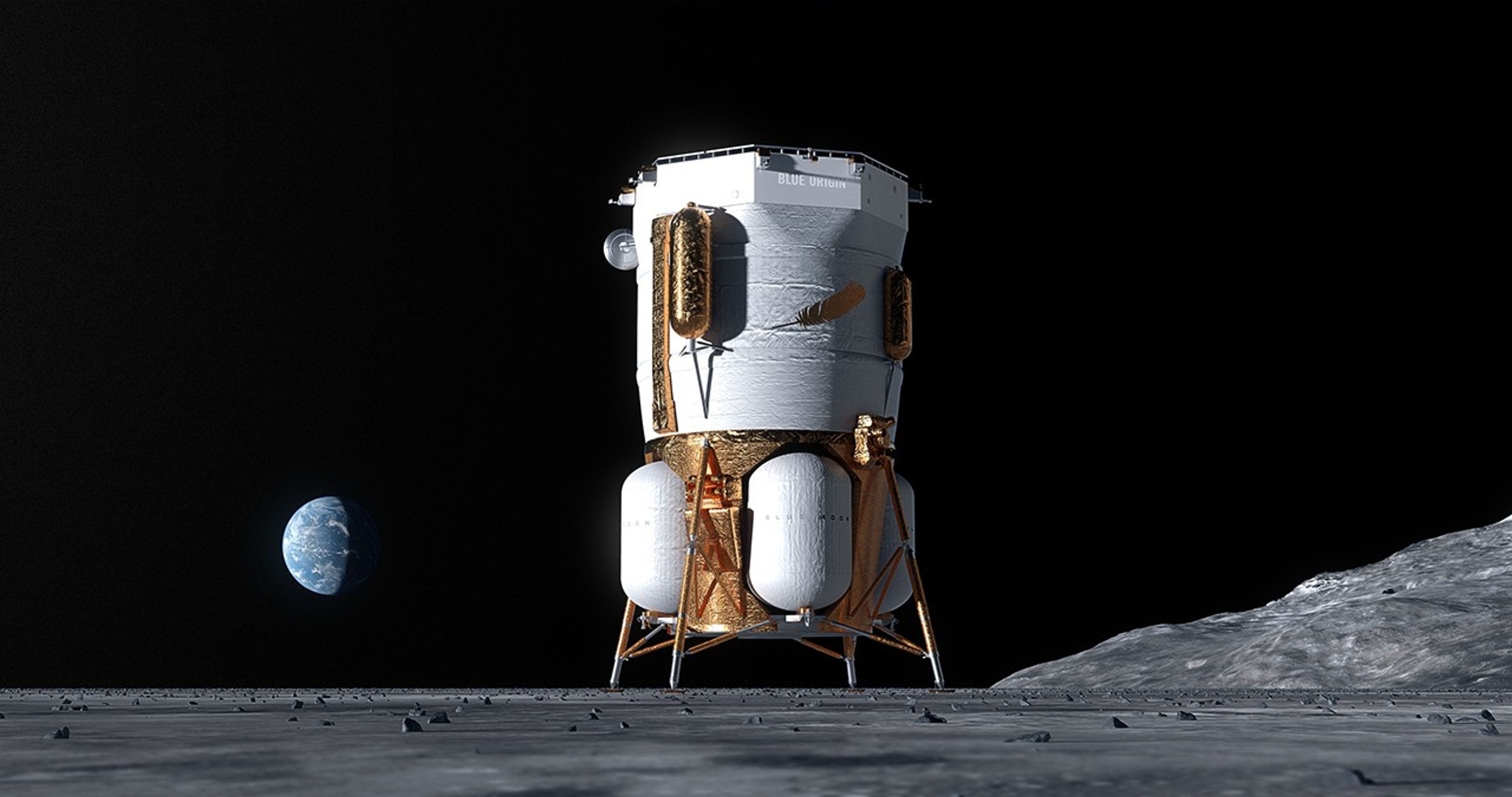
The selection process for the Artemis III crew is expected to occur closer to the mission’s targeted launch date. NASA officials have indicated that candidates will undergo rigorous training that includes simulating lunar surface environments, practicing docking maneuvers in microgravity, and mastering the use of the commercial landers. This selection will likely prioritize astronauts with extensive experience in mission command, extravehicular activities (EVAs), and technical systems management.
NASA’s selection criteria for the Artemis program emphasize a diverse range of expertise, including pilots, scientists, and engineers. As the agency moves toward the Artemis III goal, the training regimen will shift from general deep-space survival to the specific technical demands of landing on the rugged, shadowed terrain of the lunar South Pole. This environment requires specialized knowledge of lunar geology and the ability to manage complex autonomous docking sequences.
How will SpaceX and Blue Origin support the landing?
A fundamental shift in NASA’s approach to lunar exploration is the reliance on commercial partners to provide the landing hardware. Unlike the Apollo era, where NASA designed and built every component of the lunar module, the Artemis program utilizes a service-based model. NASA has awarded contracts to both SpaceX and Blue Origin to develop Human Landing Systems (HLS) that will ferry astronauts from the Orion spacecraft in lunar orbit down to the surface.
SpaceX is developing a variant of its Starship vehicle to serve as the primary HLS for the initial Artemis III mission. The Starship HLS must demonstrate the ability to perform autonomous docking with the Orion capsule in lunar orbit and then execute a precision landing on the Moon. According to technical briefings from SpaceX, this involves massive scale and significant refueling requirements in low Earth orbit (LEO) to ensure the vehicle has enough propellant to reach the Moon and return.

Blue Origin is also a key player in the Artemis architecture, having been awarded a contract for a second HLS provider. Their vehicle, known as the Blue Moon lander, is designed to support both crewed and uncrewed missions. By employing multiple providers, NASA aims to foster competition and redundancy, ensuring that if one landing system encounters technical delays, the overall Artemis timeline remains viable. These commercial landers are central to the mission’s objective of establishing a sustainable human presence on the Moon.
| Feature | Artemis II | Artemis III |
|---|---|---|
| Primary Objective | Crewed lunar flyby and systems testing | Crewed lunar surface landing |
| Target Year | 2025 | 2026 (no earlier than) |
| Landing Vehicle | N/A (Orion stays in orbit) | Commercial HLS (SpaceX or Blue Origin) |
| Destination | Lunar Orbit | Lunar South Pole |
| Crew Size | 4 Astronauts | 4 Astronauts (2 to land) |
Why is the docking test critical for mission success?
One of the most technically demanding phases of the Artemis III mission is the docking procedure between the Orion spacecraft and the commercial lander. Before the crew can descend to the Moon, NASA must verify that the two distinct vehicles can connect seamlessly in a lunar orbital environment. This process is not merely about physical attachment; it involves the transfer of power, data, and life support resources between the Orion capsule and the HLS.
NASA is planning upcoming test flights that will launch into low Earth orbit to simulate these docking maneuvers. These tests are essential because the landers are built by different organizations than the Orion capsule, meaning the docking interfaces must be perfectly compatible. Any failure in the automated docking software or the mechanical latching systems could result in a mission-abort scenario.
Furthermore, the docking must be performed with high precision to ensure that the transfer of astronauts occurs safely. The astronauts will move from the Orion capsule, which serves as their primary “home” and return vehicle, into the lander, which serves as their “elevator” to the surface. Successful docking tests in LEO will provide the empirical data necessary to authorize the more high-stakes docking maneuvers that will eventually take place in lunar orbit.
What are the primary technical challenges of Artemis III?
The Artemis III mission is described by NASA engineers as one of the most complex endeavors in the history of spaceflight. Several factors contribute to this complexity, most notably the landing site selection and the environmental conditions of the lunar South Pole. Unlike the equatorial landings of the Apollo missions, the South Pole contains regions of “permanent shadow” where temperatures are extremely low and light is minimal.
These shadowed regions are scientifically significant because they are believed to contain water ice, which could be used for life support and fuel production. However, landing in these areas presents extreme challenges for navigation and visibility. Astronauts will need to rely heavily on advanced autonomous landing systems and augmented reality tools to navigate the terrain during the final descent.
Other significant challenges include:
- Radiation Exposure: Traveling beyond the Earth’s protective magnetosphere requires advanced shielding to protect the crew from solar particle events and galactic cosmic rays.
- Life Support Reliability: The systems must operate with near-zero failure rates for the duration of the mission, as resupply is not an option once the crew leaves Earth orbit.
- Lunar Dust (Regolith): Lunar dust is highly abrasive and can damage spacesuits, seals, and mechanical joints. Developing mitigation strategies for regolith is a high priority for NASA’s engineers.
What happens next for the Artemis program?
The immediate focus for NASA remains the successful execution of the Artemis II mission. Following the Artemis II flyby, the agency will evaluate all spacecraft performance data to refine the flight profiles for Artemis III. Concurrently, SpaceX and Blue Origin will continue their development and testing of the HLS vehicles, with much of the focus remaining on orbital refueling and autonomous docking capabilities.
The next major confirmed checkpoint for the program is the scheduled Artemis II launch, which will serve as the ultimate test of the Orion spacecraft’s ability to carry humans into deep space. Following that, NASA will provide updated timelines for the Artemis III lunar landing based on the results of both the crewed flyby and the uncrewed HLS test flights.
For the latest official updates on mission timelines and crew selection, interested parties can monitor the official NASA Artemis mission page.
Frequently Asked Questions
When will the Artemis III crew be announced?
NASA has not set a specific date for the Artemis III crew announcement, but it is expected to occur after the Artemis II mission has successfully completed its lunar flyby.
Will the astronauts land in the same area as Apollo?
No. Artemis III aims to land near the lunar South Pole, a region that was not visited during the Apollo missions, to explore potential water ice deposits.
How many people will land on the Moon during Artemis III?
While the mission carries a crew of four, typically only two astronauts will descend to the lunar surface in the HLS, while the others remain in lunar orbit aboard the Orion spacecraft.
We invite you to share your thoughts on this monumental step in human exploration. Will the partnership between NASA and private companies redefine how we reach the stars? Join the conversation in the comments below and share this article with your network.