Global energy markets are recalibrating their long-term outlooks as recent institutional analysis suggests a potential upward shift in oil price projections for 2026. This adjustment follows a period of volatility in international benchmarks, driven by geopolitical tensions in the Middle East and ongoing uncertainty regarding supply chain stability, particularly concerning the Strait of Hormuz. According to the U.S. Energy Information Administration (EIA), fluctuations in crude demand and production capacity remain the primary drivers for these revised long-term forecasts.
For investors and policymakers, the core issue is the intersection of moderate global economic growth and the persistence of regional conflicts that threaten maritime transit. While short-term prices often react to immediate news cycles, such as the cessation of direct hostilities between Iran and Israel, the 2026 outlook reflects a structural concern regarding the “risk premium” associated with oil transit. Financial institutions, including Barclays, have noted that sustained disruptions to navigation in critical chokepoints could significantly tighten global supply, thereby pushing price floors higher than previously anticipated.
Drivers of the 2026 Oil Price Forecast
The upward revision in price expectations is not tied to a single event, but rather a confluence of supply-side constraints and geopolitical risk management. The International Energy Agency (IEA) highlights that while non-OPEC+ production continues to rise, the spare capacity held by major producers is increasingly viewed as a necessary buffer against unexpected regional instability. When traders assess the year 2026, they are factoring in the reality that geopolitical friction can cause sudden, sharp price spikes that are difficult to mitigate through immediate production increases.

Furthermore, the transition to alternative energy sources remains a multi-year process, meaning that oil will continue to serve as the primary global energy source for the foreseeable future. According to market data analyzed by S&P Global Commodity Insights, the interplay between energy policy and market demand suggests that even a modest increase in geopolitical tension can lead to sustained price volatility, impacting everything from transport costs to industrial manufacturing inputs.
Geopolitical Risk and Maritime Chokepoints
The Strait of Hormuz remains the most critical variable in any long-term oil price model. As a conduit for approximately 20% of the world’s total petroleum liquids consumption, any perceived threat to this route creates an immediate upward pressure on futures, according to the U.S. Energy Information Administration. Analysts often emphasize that the “risk premium” is not merely a reaction to active conflict, but a precautionary pricing mechanism used by traders to account for the possibility of future blockades or military maneuvers.

Recent market behavior has demonstrated that even when direct state-on-state conflict pauses, the underlying tension keeps prices elevated. Traders are currently balancing the prospect of increased supply from the Americas against the potential for supply chain bottlenecks. This “wait-and-see” approach from major market participants has resulted in a market environment where prices are highly sensitive to rhetoric and regional diplomatic shifts, rather than just simple supply and demand metrics.
Comparing Market Perspectives
There is a notable divergence in how different financial entities interpret the current volatility. Some analysts point to the rapid expansion of production in the United States, Guyana, and Brazil as a long-term bearish factor that could eventually cap price increases. Conversely, others focus on the structural underinvestment in traditional oil fields globally, which could lead to a supply crunch by 2026. This tension between production growth and investment gaps is the primary subject of current debate among commodity analysts at major investment banks.
According to reports from the Reuters Energy Desk, the market is currently in a state of flux, where short-term price movements—often measured in increments of one or two dollars per barrel—frequently mask the deeper, longer-term trend lines. For the average consumer or business entity, these price fluctuations translate directly into energy costs, making the 2026 projections a vital component of corporate and national budget planning.
What Happens Next for Energy Markets
The next major checkpoint for market observers will be the upcoming OPEC+ Ministerial Meeting, where member nations will determine production quotas for the coming quarters. These meetings serve as a primary indicator of how major producers intend to manage price stability in the face of ongoing global economic uncertainty. Markets will be looking for signals on whether producers will prioritize market share or defend higher price levels through continued supply restraint.
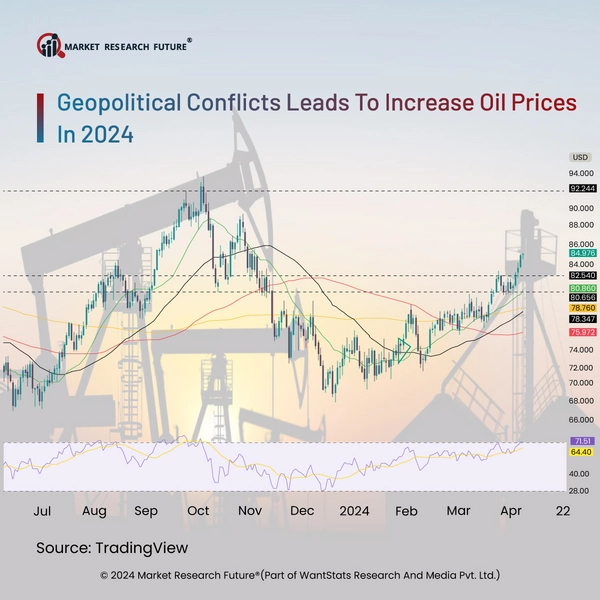
Additionally, observers should monitor the quarterly outlook reports from the U.S. Energy Information Administration, which are updated regularly to reflect the latest macroeconomic data and geopolitical developments. These documents provide the most granular view of how changing variables—from interest rates to maritime security—are influencing the projected price of oil for 2026 and beyond. Readers are encouraged to keep track of these official releases to stay informed about shifts in the global energy outlook.
For further analysis and updates on how these trends develop, we invite our readers to share their insights in the comments section below and follow our ongoing coverage of global economic policy and energy markets.
Worth a look
- IHK Heilbronn-Franken Business Survey Q2: Industry Optimism vs. Retail Crisis
- President Seen Dozing During Late Senator’s Memorial Service at Washington National Cathedral
- Dutch Bookstores See Surge in Odyssey Sales After Nolan Film (archyworldys.com)
- France and UK Warned: Mine-Clearing Warships in Strait of Hormuz Risk Legitimate Target Status (archynewsy.com)