
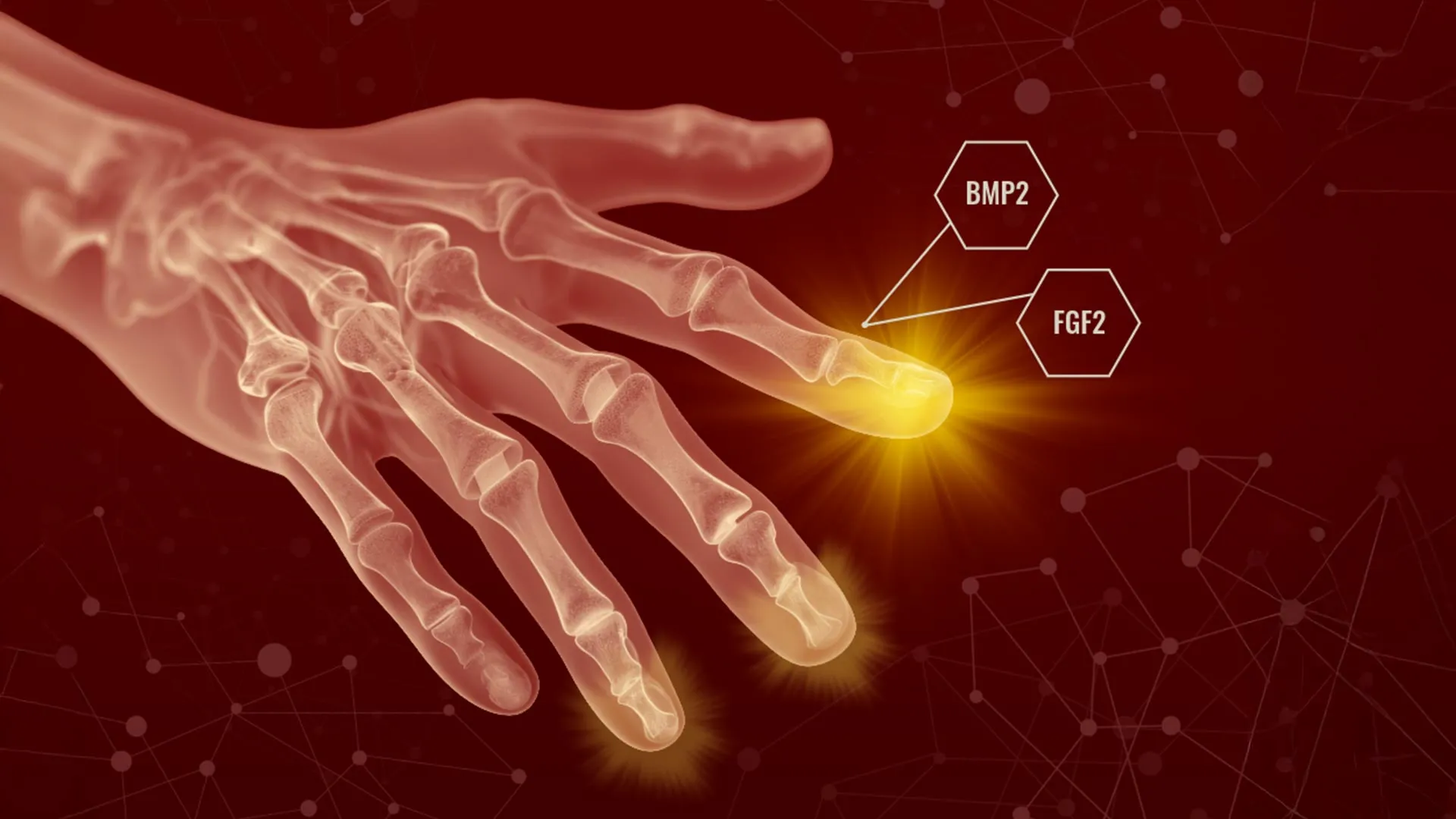
Scientists Find Way to Redirect Mammalian Healing from Scarring to Regeneration
Researchers have demonstrated that mammals may possess the latent biological capacity to regrow complex structures, such as bone and joints, by redirecting the body’s natural healing response away from scar formation and toward tissue regrowth. This breakthrough, achieved through studies in animal models, suggests that the ability to regenerate lost limbs or organs is not entirely lost in mammals but may instead be suppressed by the body’s tendency to prioritize rapid wound closure through fibrosis.
Current medical understanding suggests that while highly regenerative species like the axolotl can rebuild entire limbs, mammals typically respond to significant injury by creating scar tissue. This process, known as fibrosis, serves as a biological “quick fix” to prevent infection and blood loss but ultimately creates a physical barrier that prevents the regrowth of original tissue architecture. New research indicates that this response can be manipulated via a two-stage biological intervention to favor regeneration over scarring.
How does the body choose between scarring and regeneration?
The distinction between a scar and a regenerated limb lies in the cellular environment created immediately after an injury. When a mammal suffers a major wound or amputation, the immune system triggers an immediate inflammatory response. In most cases, this leads to the activation of myofibroblasts, cells that rapidly deposit collagen to seal the wound. While this prevents immediate death from hemorrhage or sepsis, the resulting dense collagen matrix—the scar—obstructs the signaling pathways required for complex tissue regrowth.
In contrast, regenerative species utilize a process that forms a blastema. A blastema is a mass of undifferentiated stem cells that accumulates at the site of an injury, capable of organizing into new bone, muscle, and skin. According to researchers studying regenerative pathways, the challenge in mammalian medicine is not necessarily the absence of these regenerative instructions, but rather the dominance of the fibrotic pathway. By modulating the immune response, scientists aim to “switch off” the scarring mechanism and “switch on” the blastema-like regrowth process.
The mechanism involves a strategic two-stage approach:
- Stage One: Immune Modulation. The initial goal is to alter the behavior of macrophages—the immune cells responsible for cleaning up debris at a wound site. Instead of promoting a pro-fibrotic environment, the treatment encourages a phenotype that suppresses excessive collagen deposition.
- Stage Two: Proliferative Stimulation. Once the environment is cleared of scar-forming signals, the second stage focuses on stimulating local progenitor cells to begin the organized reconstruction of bone, tendons, and ligaments.
What role does the immune system play in tissue regrowth?
Recent studies in regenerative medicine have highlighted the immune system as the primary regulator of the healing outcome. The behavior of macrophages is particularly critical. In a standard healing scenario, certain types of macrophages signal for rapid fibroblast activity to create a scar. However, research published in journals such as Nature Communications has explored how shifting the polarization of these cells can fundamentally change the wound’s trajectory.
By controlling the timing and type of immune cells present at the injury site, scientists have successfully redirected the healing of animal models to restore not just skin, but complex connective tissues. This includes the successful restoration of bone, joints, ligaments, and tendons in studies involving amputation. This suggests that the “instructions” for building a joint or a tendon are present in the mammalian genome but are typically overridden by the systemic urgency to heal via fibrosis.
This shift in focus from “replacing tissue” with prosthetics to “regrowing tissue” through biological signaling represents a major pivot in medical innovation. If the immune system can be coached to act as a facilitator of growth rather than a builder of scars, the potential for treating traumatic injuries, degenerative joint diseases, and even spinal cord injuries increases significantly.
Comparison: Scarring vs. Regeneration
To understand the impact of this research, it is helpful to compare the two primary biological responses to significant mammalian trauma:
| Feature | Fibrotic Response (Scarring) | Regenerative Response (Regrowth) |
|---|---|---|
| Primary Goal | Rapid wound closure and infection prevention. | Functional restoration of lost tissue. |
| Cellular Driver | Myofibroblasts and dense collagen deposition. | Blastema-like progenitor cell proliferation. |
| Tissue Outcome | Non-functional, disorganized connective tissue. | Organized bone, muscle, and ligament architecture. |
| Mechanical Property | Stiff, less elastic, and prone to contracture. | Flexible and functionally integrated with host. |
Why does this matter for human healthcare?
The implications for human medicine are vast, particularly for patients facing limb loss, severe orthopedic trauma, or chronic degenerative conditions. Currently, the standard of care for amputation is the fitting of a prosthetic device. While modern prosthetics have advanced, they cannot replicate the sensory feedback, metabolic integration, or fluid movement of a biological limb.

Furthermore, the management of joint degeneration, such as osteoarthritis, often relies on managing pain or performing joint replacements. A regenerative approach would aim to regrow the damaged cartilage or bone, potentially eliminating the need for invasive surgeries and the long-term complications associated with metal and plastic implants. However, researchers emphasize that translating these animal model successes to humans involves significant hurdles, including the much larger scale of human anatomy and the increased complexity of the human immune system.
Medical experts note that the “two-stage” approach must be timed with extreme precision in humans. If the suppression of scarring lasts too long, the risk of infection increases; if it is too short, the scar will form and block any potential regrowth. The goal is to find the “biological window” where the body is receptive to regeneration without compromising its primary defense mechanisms.
What are the primary obstacles to human application?
While the ability to restore bone and tendons in animal models is a landmark achievement, several scientific and regulatory challenges remain before these treatments can reach clinical use. The transition from small animal models to the complex physiology of a human being is the most significant barrier in regenerative medicine.

Scale and Complexity: An axolotl or a mouse has a relatively simple physiological structure compared to a human. Regenerating a small segment of bone in a rodent is vastly different from regrowing a human femur, which requires the coordinated growth of vast networks of nerves, blood vessels, and muscle fibers.
Immune System Sensitivity: The human immune system is highly sophisticated and prone to overreaction, which can lead to autoimmune responses or chronic inflammation. Ensuring that a treatment to modulate macrophages does not trigger a systemic inflammatory storm is a critical safety concern.
Regulatory Approval: Any treatment involving the redirection of biological pathways or the use of gene-modulating agents will face rigorous scrutiny from bodies such as the European Medicines Agency (EMA) and the U.S. Food and Drug Administration (FDA). Proving that these treatments are both safe and effective over the long term is a multi-year, multi-stage process.
What happens next in regenerative research?
The next phase of research will likely focus on refining the biochemical “cocktails” used to trigger the two-stage response and testing these methods in larger mammalian models that more closely resemble human physiology. Researchers are also looking into the use of bio-scaffolds—synthetic or natural structures that can hold growth factors in place at the injury site to guide the newly forming tissue.
As the field moves forward, the focus will remain on identifying the specific signaling molecules that act as the “switch” between fibrosis and regeneration. Finding these molecular keys could lead to a new class of therapies that do not just manage injury, but actively repair the body at a structural level.
Official updates on clinical trial progressions and new breakthroughs in regenerative medicine are typically published in major medical journals and announced by university research departments. For those following the development of these therapies, monitoring the progress of stem cell research and immunology-based therapeutics will provide the most accurate view of when these technologies may move from the lab to the clinic.
Do you think regenerative medicine will eventually replace prosthetics? Share your thoughts in the comments below and share this article to spread the word about these medical advancements.