
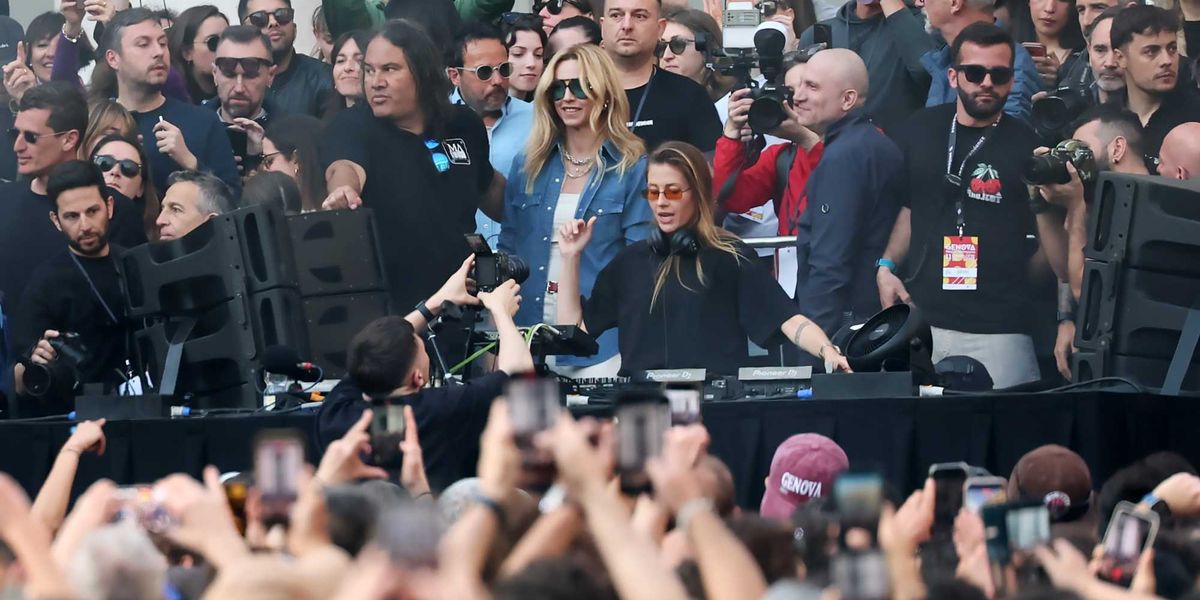
The RDS Summer Festival in Genoa has become a focal point of political tension following reports of a €1.2 million expenditure and allegations of preferential treatment for local officials. While city leadership describes the event as a vital tool for urban attraction, critics are questioning the use of public funds and the reservation of premium seating for political allies.
The event, held in Genoa’s Piazza della Vittoria, drew an estimated 40,000 attendees, according to reports from the Municipality of Genoa. However, the scale of the crowd has been overshadowed by a growing debate regarding the financial management of the festival and whether public resources were used to benefit members of the city’s political majority.
Why is the RDS Summer Festival in Genoa facing criticism?
The primary source of contention involves the financial cost of the production. Reports indicate that the city’s involvement in the RDS Summer Festival included an expenditure of approximately €1.2 million. This figure has sparked debate among local taxpayers and opposition members regarding the allocation of municipal budgets toward large-scale entertainment events.

Critics have characterized the situation as a “concertopoli”—a term used to suggest a monopoly or a concentrated control over concert arrangements and public funding. The term, as noted in reports by Open, implies that the management of such events may be disproportionately benefiting specific interests rather than the broader public. The central question remains whether the economic stimulus provided by a crowd of 40,000 people justifies the direct or indirect public investment required to host the festival in Piazza della Vittoria.
The administration has defended the spending by highlighting the cultural and economic benefits. Officials stated that the festival serves to keep Genoa a “viva e attrattiva” (living and attractive) city, aiming to drive tourism and boost local commerce through high-profile summer programming. This strategy aligns with broader urban revitalization efforts seen in other Italian municipalities, though the specific cost-to-benefit ratio in Genoa remains under intense scrutiny.
What were the allegations regarding seating privileges?
Beyond the financial management of the festival, the Genoa administration faces accusations of political favoritism regarding event access. According to reports from Corriere della Sera, a controversy erupted over the distribution of tickets for the event, specifically concerning the front-row seating areas.
The allegations suggest that a significant portion of the most desirable, front-row positions were reserved for members of the municipal majority. This has led to claims that the event was not a purely public celebration but rather an opportunity for political insiders to receive exclusive benefits. The perception of “reserved entrances” for councilors has fueled the narrative that the festival served dual purposes: public entertainment and political networking.
The controversy highlights a recurring tension in municipal governance: the line between official hosting duties and the misuse of public-funded events for political advantage. When premium access is perceived to be gated by political affiliation, it undermines the transparency that citizens expect from local government spending.
Comparison of Perspectives on the RDS Summer Festival
| Issue | Administration Position | Opposition/Critic Allegations |
|---|---|---|
| Total Expenditure | An investment in city attractiveness and tourism. | A questionable use of €1.2 million in public funds. |
| Event Impact | Stimulates the local economy and supports 40,000 attendees. | Functions as a “concertopoli” benefiting specific entities. |
| Seating & Access | Standard protocol for hosting municipal representatives. | Preferential “front-row” treatment for majority councilors. |
How did the Genoa administration justify the expenditure?
In response to the mounting pressure, city officials have maintained that the RDS Summer Festival is a strategic component of Genoa’s summer identity. The administration argues that hosting large-scale events in central locations like Piazza della Vittoria is essential for maintaining the city’s relevance in the competitive Italian summer tourism market.

The administration’s defense focuses on the “attractiveness” metric. By bringing major musical acts and large crowds to the city center, they aim to create a multiplier effect for local businesses, including hotels, restaurants, and retail outlets. From this perspective, the €1.2 million is viewed not as a sunk cost, but as a marketing and infrastructure investment intended to yield long-term economic returns through increased visitor numbers.
However, the administration has not yet provided a detailed public breakdown of how the €1.2 million was distributed between production costs, security, and artist fees. This lack of granular data has allowed the debate over “concertopoli” to persist, as observers call for greater transparency in how municipal contracts for large-scale festivals are awarded and managed.
What happens next for Genoa’s event management?
The immediate future of the festival’s management will likely depend on upcoming municipal audits and the response of the local council to these allegations. While the RDS Summer Festival has already expanded its footprint—with plans for 2026 iterations mentioned in various regional reports involving cities like Rimini, Monopoli, and Iglesias—the Genoa model remains under a microscope.
Local opposition groups are expected to call for a formal inquiry into the ticket allocation process and the specific breakdown of the €1.2 million payment. If the administration cannot provide documented proof that seating was distributed according to transparent, non-partisan protocols, the controversy may influence future city budget votes regarding cultural spending.
The next scheduled checkpoint for this issue will be the upcoming municipal budget review and any subsequent transparency filings requested by the city council. Stakeholders and residents are encouraged to monitor official municipal records for updates on public expenditure audits.
What are your thoughts on the use of public funds for large-scale music festivals? Do you believe these events provide sufficient value to the local economy? Share your comments below and share this article to join the conversation.